Cora Jane Glasser
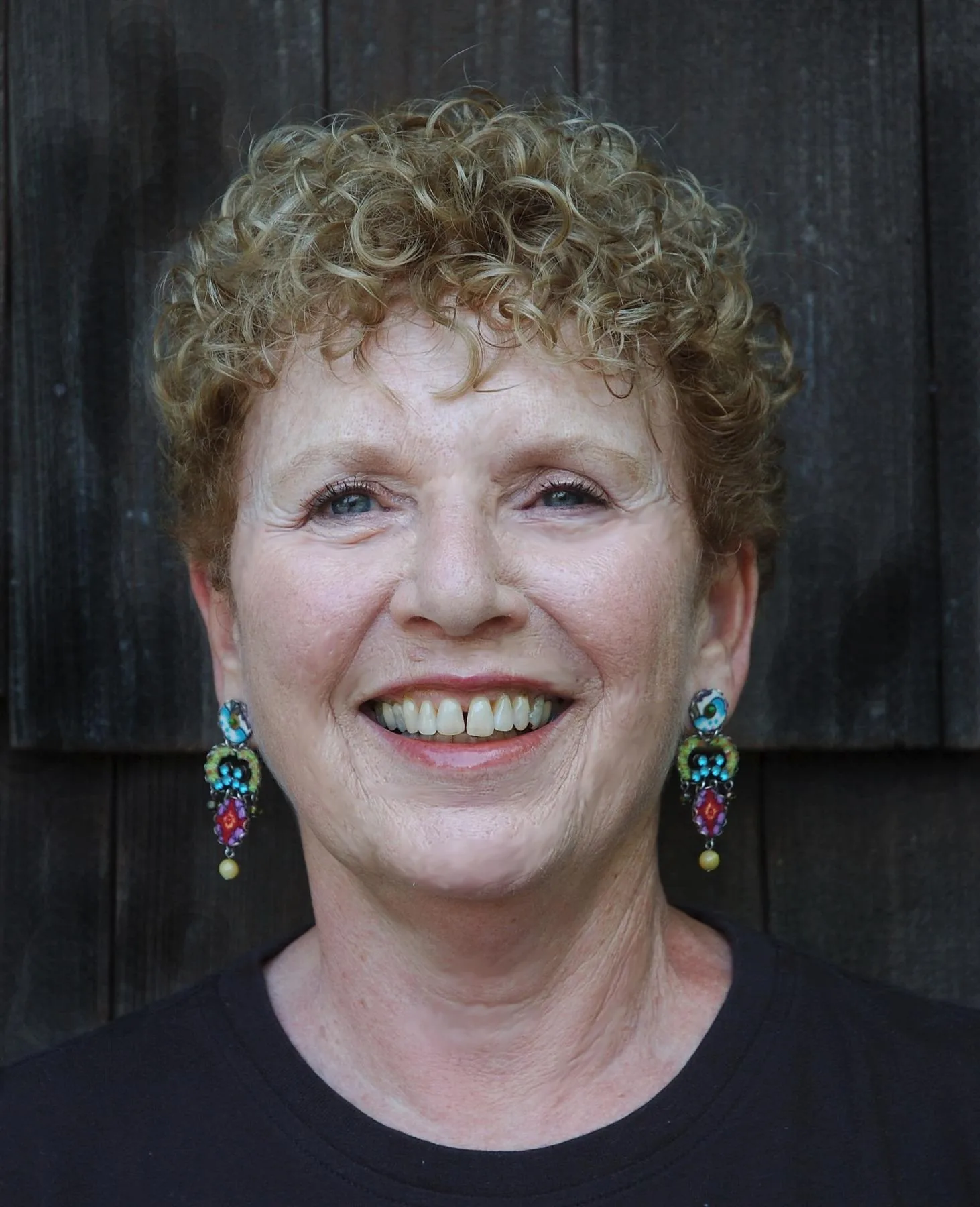
Cora Jane Glasser · Source: New York Artists Circle · Rights retained by the original rights holders
- Medium
- Acrylic Paint, Encaustic, Glass, Oil Paint, Oil Pastel/Crayon, Paper
- Based in
- South Williamsburg, Brooklyn studio
- Practice
- Mixed Media, Painting, Public/Site Specific, Works on Paper
Cora Jane Glasser is a third-generation New Yorker, born in Brooklyn and residing in Manhattan. She received her education in New York City public schools, earned her degree at Queens College, and received further art ed… Full biography
Biography
Cora Jane Glasser is a third-generation New Yorker, born in Brooklyn and residing in Manhattan. She received her education in New York City public schools, earned her degree at Queens College, and received further art education at the Arts Students League.
Glasser’s family history is deeply entrenched in the history of the City. Her father’s family worked in the building trade, and her mother’s in the garment and entertainment industries. Craft and structure dominated her upbringing. It is not surprising that her art is a reflection of those influences. She completed a commission for the production of artwork onto the architectural glass for a permanent installation in a building in Queens and created a monumental architecturally themed installation for a group exhibit at FIT. She has melded her interest in archaeology with artwork, recently collaborating on an exhibit with the Department of Anthropology of Syracuse University. Her work has been shown in numerous solo and group shows nationally and internationally and is held in private, corporate, and municipal collections.
Glasser works from her studio in South Williamsburg, Brooklyn.
Artist statement
By observing urban architectural and structural elements, I document the passage of time, and the way recasting- or preserving - the constructed city affects our relationship to the built and natural environments. Employing a variety of materials and mediums, I explore tensions between old and new, solid and void, and presence and absence, using objective abstraction to evoke a gut reaction and an ambiguous sense of time and place.