Jaynie Crimmins
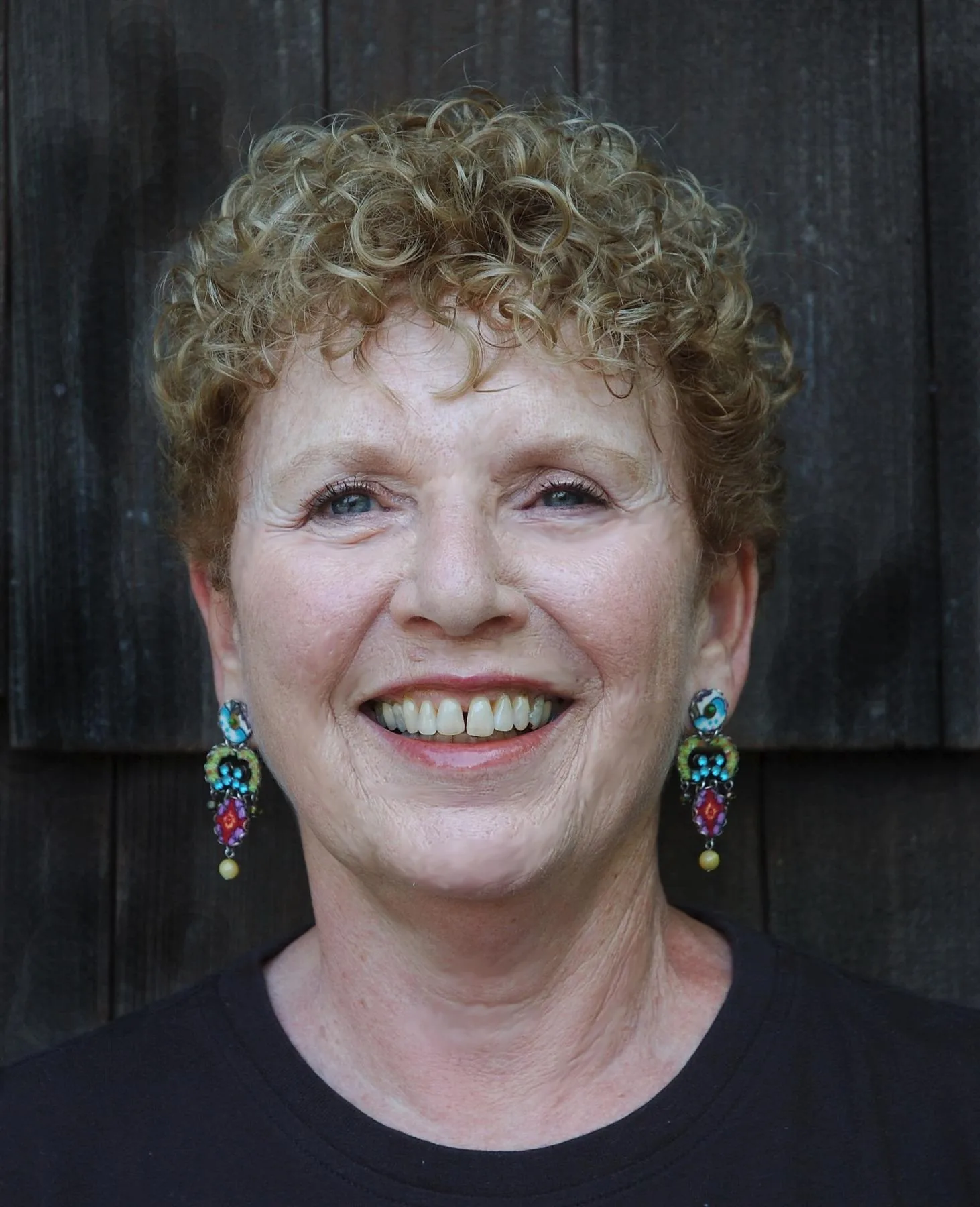
Jaynie Crimmins · Source: New York Artists Circle · Rights retained by the original rights holders
- Medium
- Found Objects, Paper, Recycled
- Based in
- New York City
- Practice
- Books, Collage, Installation, Sculpture, Works on Paper
Jaynie Gillman Crimmins, a New York City-based artist, creates alternative narratives from quotidian materials. Her work has been shown at ART on PAPER NYC, and exhibited at the Sharjah Museum of Art during the Islamic A… Full biography
Biography
Jaynie Gillman Crimmins, a New York City-based artist, creates alternative narratives from quotidian materials. Her work has been shown at ART on PAPER NYC, and exhibited at the Sharjah Museum of Art during the Islamic Arts Festival in the United Arab Emirates; SPRING/BREAK Art Show, NYC; Governor’s Island Art Fair, NYC; the National Museum of Romanian Literature in addition to museums throughout the United States including the Muscarelle Museum of Art at the College of William and Mary, VA; Hunterdon Art Museum, NJ; Zuckerman Museum of Art, Kennesaw State University, GA.
Crimmins has a long history of community work. Prior to the pandemic, she was volunteering in the Guggenheim Museum’s Learning Through Art Program. She holds two degrees in Art Education - a BS from the State University College at Buffalo and an MA from the College of New Rochelle, with a minor in Art Therapy. She is represented by K. Imperial Fine Art, San Francisco, CA, and Thomas Deans Fine Art in Atlanta, GA, and shows with the Front Room Gallery and SFA Flat File Gallery in NYC.
Artist statement
The decorative surfaces of my work contain thousands of tiny components. Each incorporates a fragment of information or imagery from mass marketing tools that are re-contextualized to represent personal, domestic, and cultural narratives.
By repurposing solicitations, security envelopes, and catalogs that are difficult to recycle (because their inks have high concentrations of heavy metals), I create sustainable objects using a repetitive practice mirroring domestic tasks. Shredding these promotional materials breaks down their physical and ascribed composition so I can roll, fold, sew and fabricate the shreds into intimate sculptural reliefs.
Why I do it:
Nothing seemed to make it into the trash in the apartment of my Eastern European grandparents. Discarded clothing became crocheted rugs. Old curtains became aprons. Leftovers became the ingredients for new meals. Nothing was wasted, everything possible was reused. Castoff items became novel and compelling in their metamorphosis.
Combining this sensibility with the shredding of junk mail illuminates the physical acts of deconstructing and repurposing. I feel a responsibility to up-cycle the materials that have been imposed upon me by marketers. The power of transformation, frugality, ingenuity, and handmade quality drives my practice.