Pressure & Release
Lucy Raven
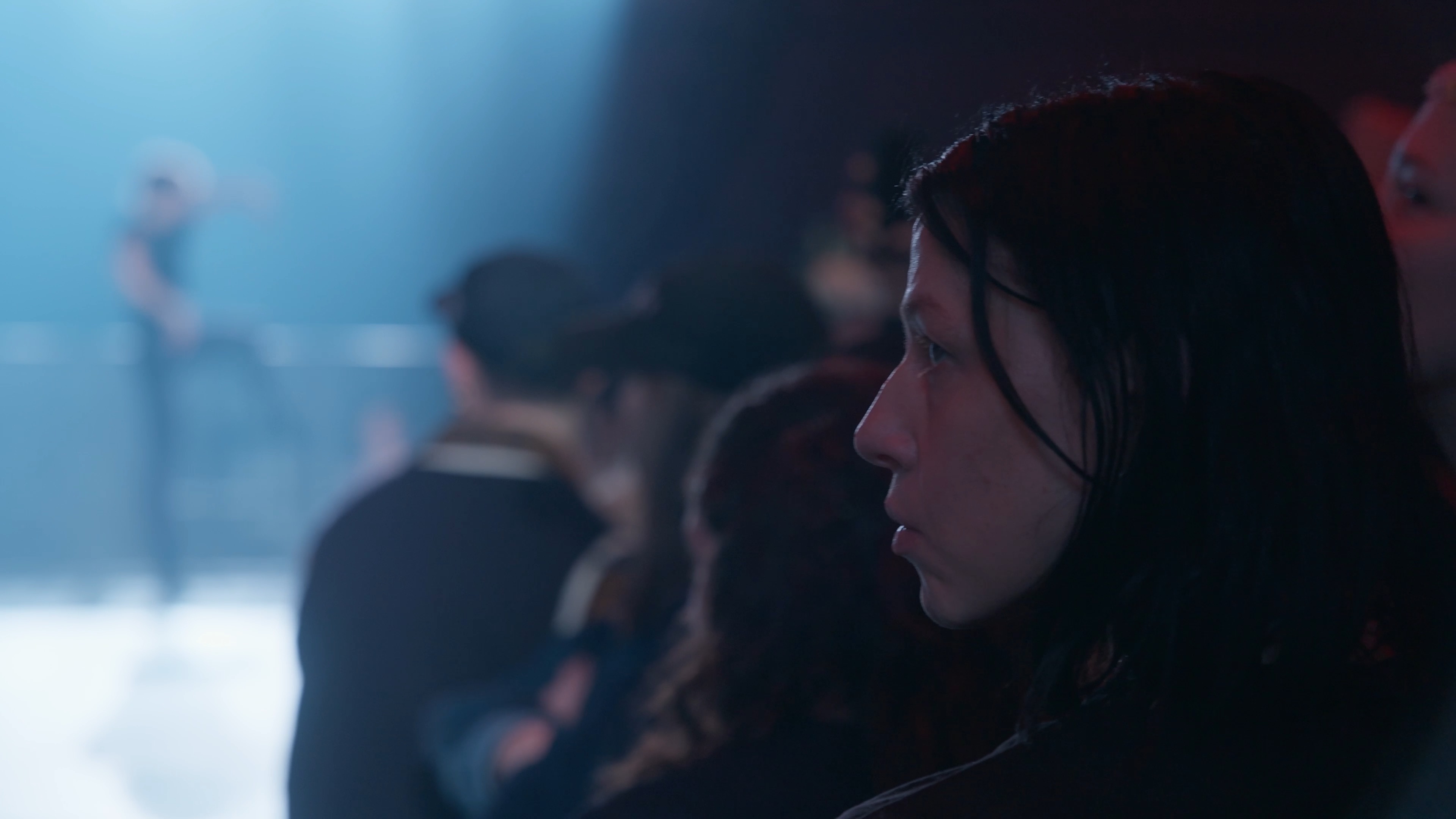
Rushing water, detonating explosives, shifting rocks, heavy machinery, and carefully composed scores form the soundscape of artist Lucy Raven’s The Drumfire (2020-2025), a series of films examining the systems of pressure, collapse, and release that have shaped the American West into what it is today. From a cement plant in Idaho to an explosives testing ground in New Mexico to a dam removal in California, Raven tracks the exploitation of land and life through an experimental approach to filmmaking that critically reflects on the ideologies and industries that transform and deform the United States. The documentary short captures the artist as she travels to Oregon and California to document the removal of one of four dams on the Klamath River for the final film in the series, Murderers Bar (2025). Documenting the largest dam removal in the history of the United States, the result of decades of efforts by the Yurok Tribe, Karuk Tribe, Hoopa Valley Tribe, Klamath Tribes, Modoc Nation, and Shasta Indian Nation, Raven uses helicopters, drones, underwater cameras, and animated sequences to visualize the monumental release of pressure. “It wasn’t just dirt that was released,” says the artist. “It was actually a hundred years of this industrial exploitation of that region.”
This film was directed by Ian Forster, edited by Brian Redondo, and filmed by Greg Bartels, Sean Hanley, Michael T. Miller, Anne Misselwitz, and Jane Macedo Yang.
Featured artists
About the artists
Lucy Raven was born in Tucson, Arizona, in 1977, and currently lives and works in New York, New York. The artist received her BFA and BA from the University of Arizona in 2000 and her MFA from Bard University in 2009. Raven uses film, photography, and installation to examine processes of material transformation, hidden labor, and the build-up and collapse of infrastructures and images. To highlight the perspectives and ideologies that are produced and maintained through images, the artist uses experimental approaches to film and photography that encourage critical reflection on global systems of production, industry, and extraction.