ART VALUE LAB · ART HISTORY
Stories live in pictures.
Begin with a detail. Step into another time.
Learn to read a picture through a gesture, a shaft of light or a storm.
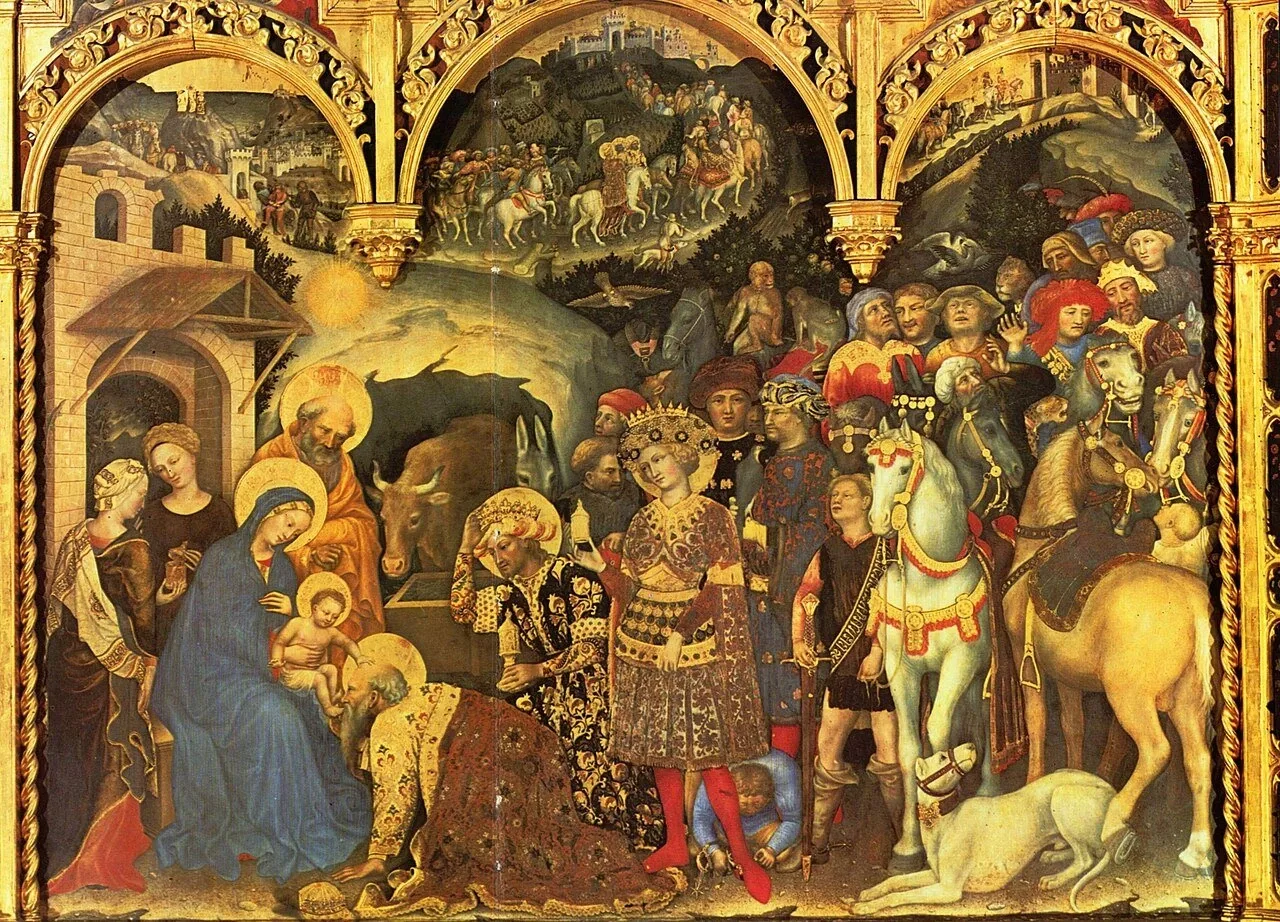
History-painting series · 11 chapters
History painting
How do pictures tell stories?
Myth, faith, love and power can all inhabit a painting. What do artists choose to show us—and what do they leave outside the frame?
No memorised dates required. Bring your curiosity and begin with the work in front of you.
Start with chapter oneA thematic series · Three questions
Images, faith and power
From the Reformation to the Baroque: what can an image change?
Images can be destroyed, printed in their thousands or placed in breathtaking spaces. Who determines their purpose—and how do we respond?
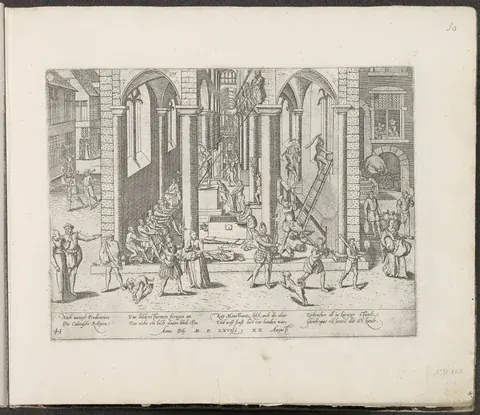
Chapter 01
Why Would Anyone Fear an Image?
When does an image change from an aid to faith into a dangerous idol? Enter sixteenth-century churches, prints, and councils to understand why people destroyed images and why they continued to make them.
Read this chapter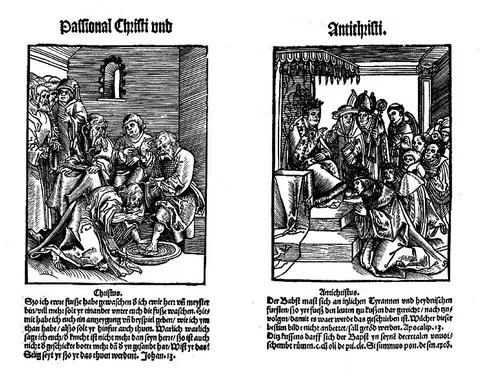
Chapter 02
How Did Print Turn Art into Mass Media?
How can a sheet of paper establish trust or manufacture an enemy? Explore reproduction, circulation, and persuasion through Reformation prints, portraits, and altarpieces.
Read this chapter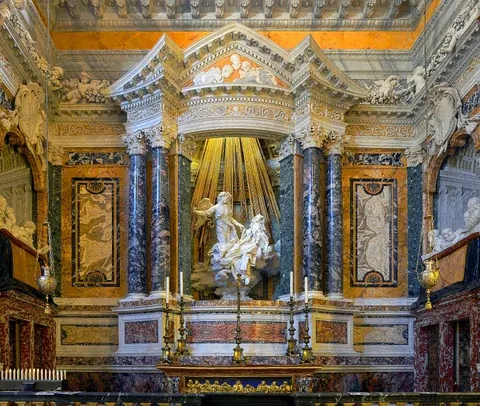
Chapter 03
How Can Art Make Us Believe, Feel, or Obey?
Through Michelangelo, Veronese, Caravaggio, and Bernini, examine image regulation, emotional design, and patronage during Catholic reform, and how a work’s value changes with its setting.
Read this chapter
Italian painting and sculpture · Three guides
Ideal bodies, changing worlds.
Read composition, materials and colour from the High Renaissance to Mannerism.
How does a pose persuade? What happens when a composition loses its balance? Compare Rome, Florence and Venice through the choices artists made.
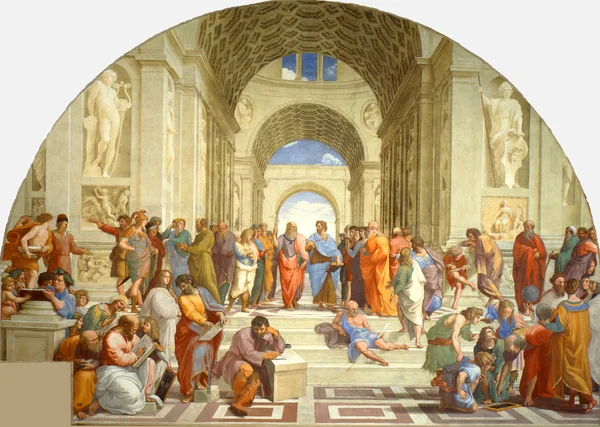
Chapter 01
Ideal, Body and Invention
Explore how the High Renaissance organises observation, invention and material through ideal beauty, the body and perspective.
Read this chapter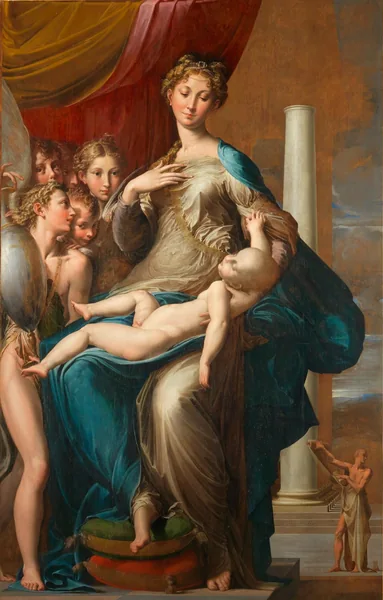
Chapter 02
From Harmony to Tension
Explore how sixteenth-century art combines elegance, skill and unease through elongated bodies, compressed spaces and sculpture demanding several viewpoints.
Read this chapter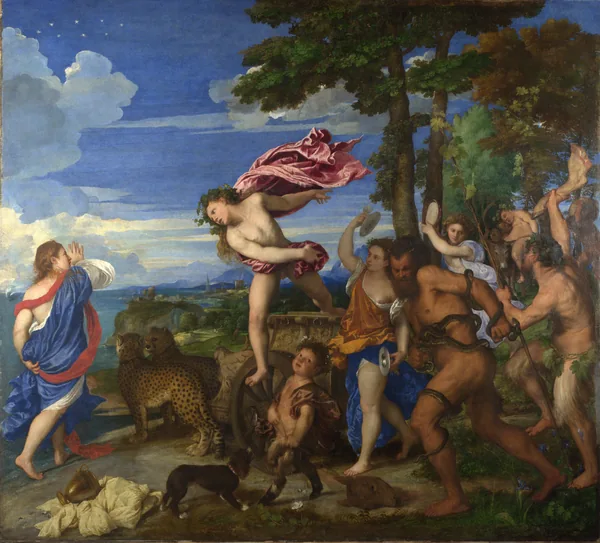
Chapter 03
Venice: Colour, Light and Public Space
Use landscape, mythology, oil paint and palace spaces to move between established collection evidence, open interpretations and particular experiences of looking.
Read this chapter
Across media · 5 guides
Body, space and identity
From a suit of armour and a house to a carefully composed face.
Renaissance images extend beyond the frame into dress, buildings and social life. Explore how armour, architecture, portraits and textiles make identity and power visible.
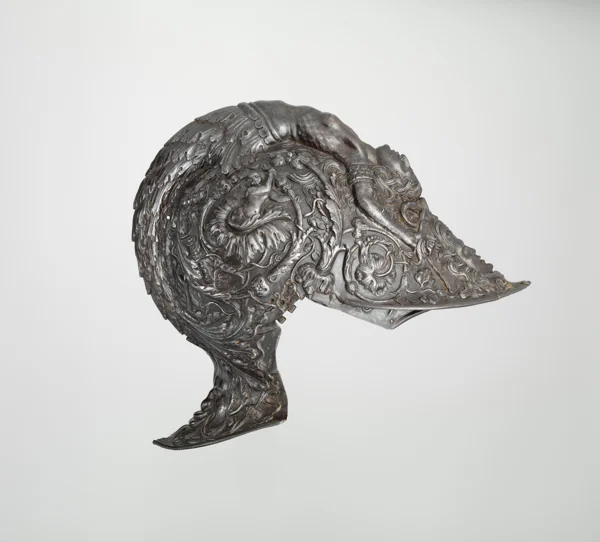
Chapter 01
Wearing the Renaissance
From articulated joints, steel clothing and classical faces to Titian's court portraits, explore how Renaissance armour could protect, shape and proclaim an individual's identity at the same time.
Read this chapter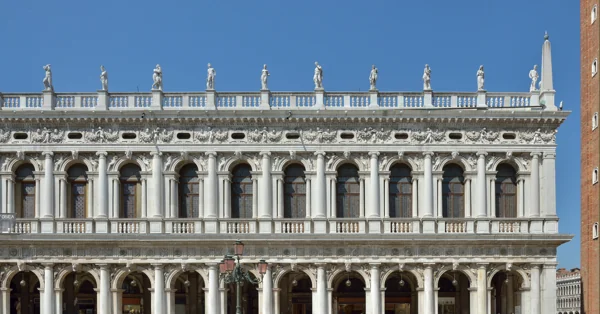
Chapter 02
Water, Fields and Public Order
From the continuous arcades of the Piazzetta of San Marco to the agricultural villas and lagoon churches of the Veneto, explore how classical forms organised a republic's wealth, faith and everyday life.
Read this chapter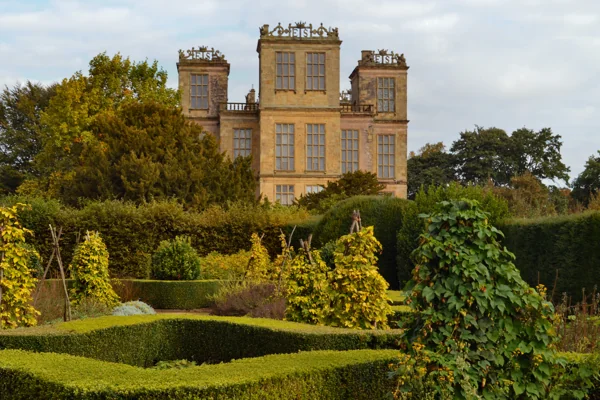
Chapter 03
Houses, Power and the Ordering of Daily Life
Follow courtyards, thresholds, glass and staircases to understand how Tudor houses brought together continental forms, craft skills, family identity and permission to approach power.
Read this chapter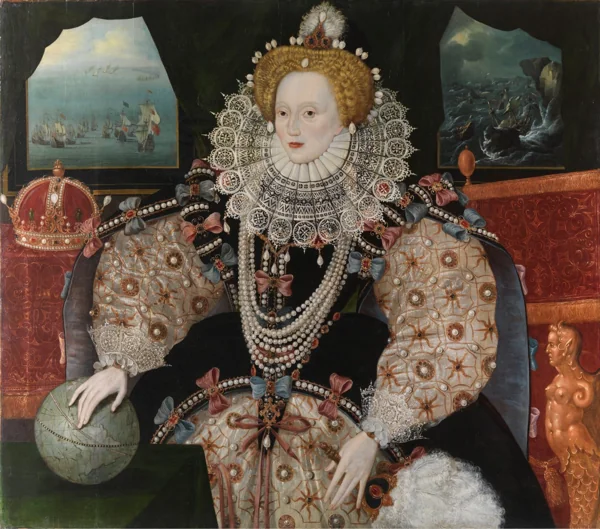
Chapter 04
The Tudor Portrait: Likeness, Identity and Power
Read faces, dress, emblems and depicted objects to explore how 16th-century England used portraits to establish family, office, intimacy and sovereign authority.
Read this chapter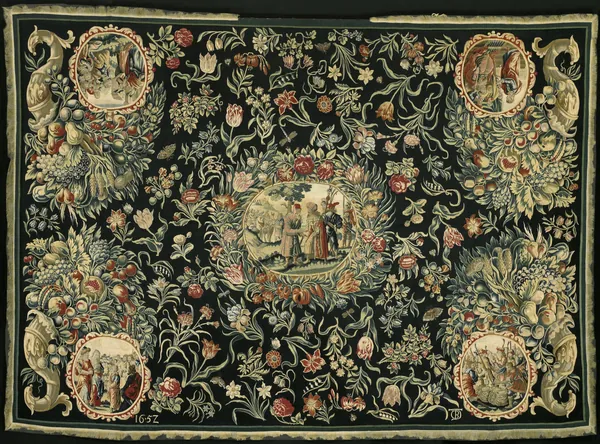
Chapter 05
Soft Power: Textiles and Memory in the Great House
Beginning with structure and sheen, discover how beds, tables, chairs and walls carried court ceremony, overseas trade, craft knowledge and domestic labour, and how surviving fragments preserve an incomplete past.
Read this chapter
Architecture, painting and sculpture · 3 guides
Spain: art, faith and power
From surviving walls to sculpted bodies, explore the relationship between looking and power.
Follow Andalusi buildings, Toledo altarpieces and polychrome sculpture to distinguish continuity of form, changing uses and encounters between images and communities.
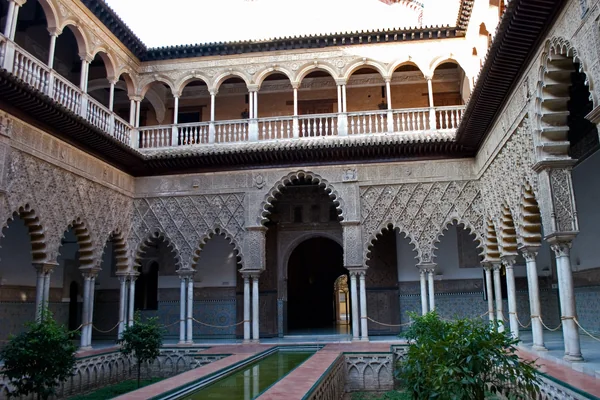
Chapter 01
After the Walls Remain: Architecture and Power in Islamic Spain
Follow arcades, waterways, timber ceilings and converted places of worship to explore how Andalusi craftsmanship crossed political boundaries, and how architectural survival could coexist with communities' loss.
Read this chapter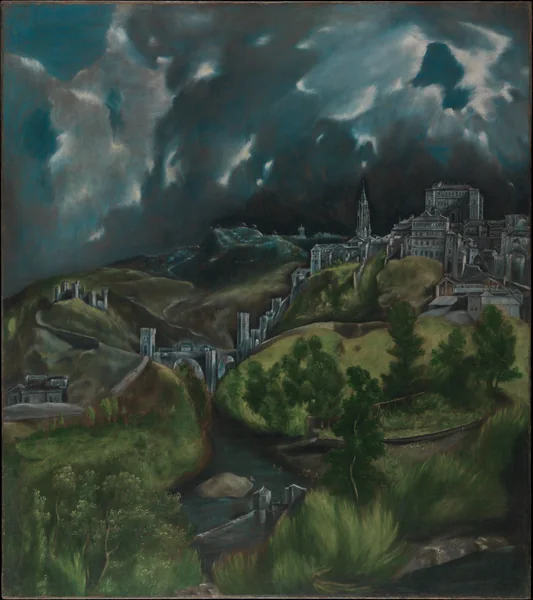
Chapter 02
El Greco in Toledo: Visions, Bodies and Patronage
Follow El Greco through Crete, Venice, Rome and Toledo, examining how colour, bodies and space answer church commissions, private devotion, portraiture and civic memory.
Read this chapter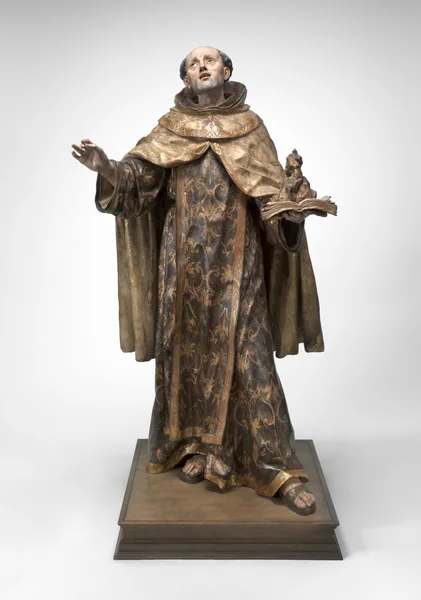
Chapter 03
Polychrome Sculpture: Faith in an Encountered Body
From timber construction, gilding and flesh painting to altars, private prayer and Holy Week processions, explore how materials, collaboration and looking create a sacred presence.
Read this chapter
Looking, perspective and craft · 3 guides
The Baroque: space, illusion and materials
Light and movement transform perception; painted ceilings extend space; patterned stone becomes an image.
Explore religious and courtly persuasion, painted perspective and hardstone workshops to understand how bodies, materials and power meet in Baroque art.
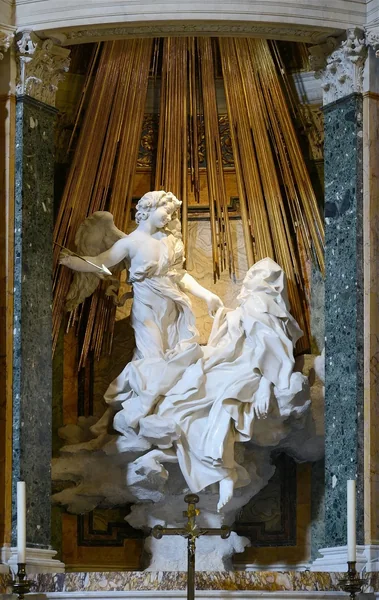
Chapter 01
Baroque: Making Looking an Event
From Bernini’s chapel to Leyster’s woman sewing by lamplight, explore how Baroque art creates a sense of presence through space, patronage, materials, and viewing distance.
Read this chapter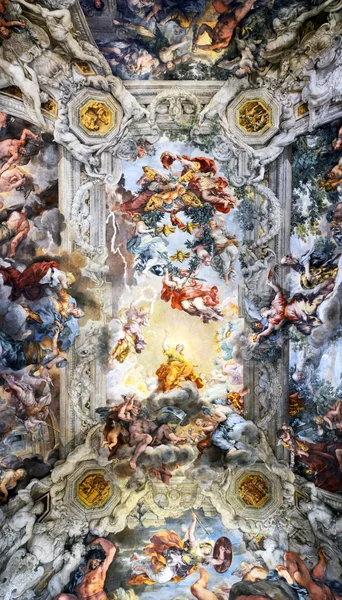
Chapter 02
Looking Up: Ceilings, Viewpoints, and the Painted Infinite
Identify the different methods of ceiling painting through frames, clouds, and perspectival colonnades, and explore how the viewer’s position, materials, and religious and courtly power combine to construct an artificial sky.
Read this chapter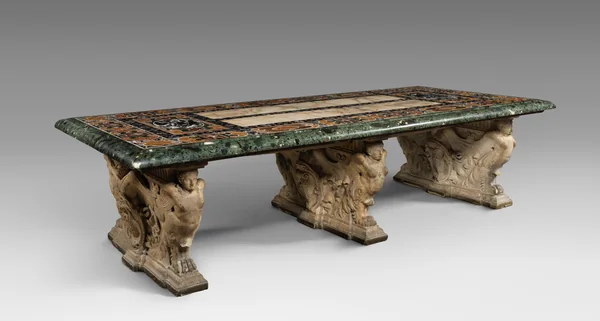
Chapter 03
How Stone Becomes an Image
From ancient cameos, the Farnese Table, and Medici vessels to Prague landscape inlays, English cabinets, and imitation stone, explore the techniques, power, and viewing practices of hardstone art.
Read this chapter
Painting, sculpture and public space · 6 guides
Rome: artists, patrons and the city
From workshops and chapels to collections and public squares, how does art find its place?
From the Carracci and Caravaggio to Bernini’s sculpture, Borromini’s churches and public fountains, trace the people, materials, patrons and religious uses that shape different ways of looking within one city.
Chapter 01
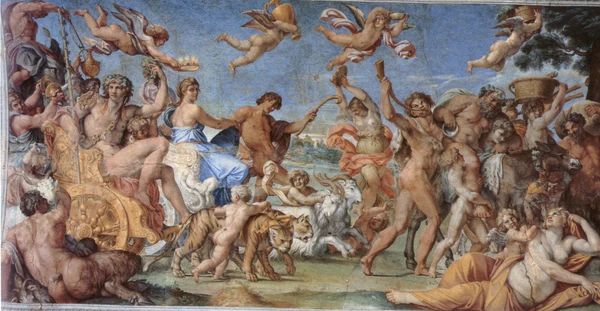
From the Butcher’s Shop to the Gods Above
Follow the Carracci from Bologna’s butcher’s shops, altarpieces and palace frescoes to the Palazzo Farnese in Rome, exploring how study from life, classical learning and collective production generated a new painting.
Read this chapter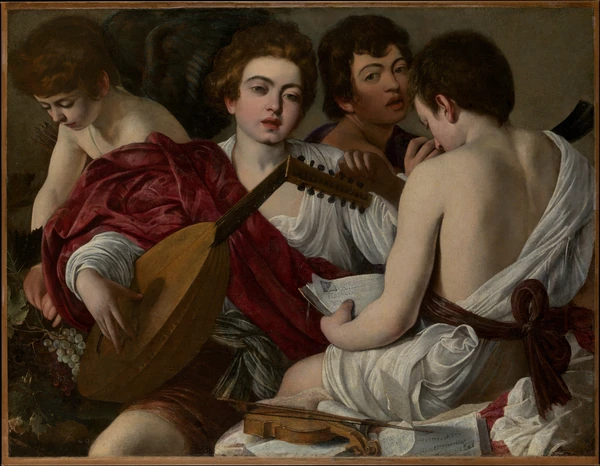
Chapter 02
Whom the Light Reaches: Caravaggio and the Moment of Encounter
Move from card tables, fruit baskets and private music rooms into Roman chapels to examine how light, gesture and the edges of a painting make looking an encounter that calls for a response.
Read this chapter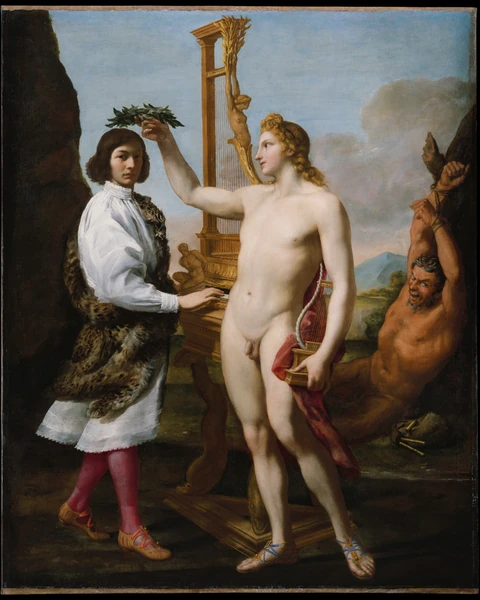
Chapter 03
One City, Many Pictorial Ambitions
From musicians and landscapes in collectors’ rooms to altarpieces, domes and palace ceilings, explore how Roman painters answered different patrons by recombining observation, classical order and illusion.
Read this chapter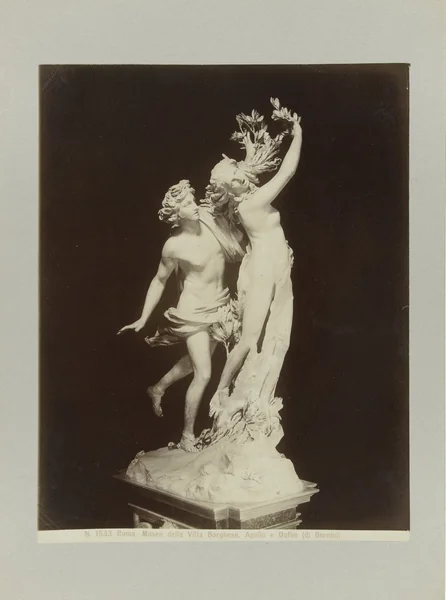
Chapter 04
Bodies and Time within Stone
Read Bernini’s mythological groups, portraits, altars and models to understand how touch, viewpoint, light and collaboration turn marble into an event that can be experienced repeatedly.
Read this chapter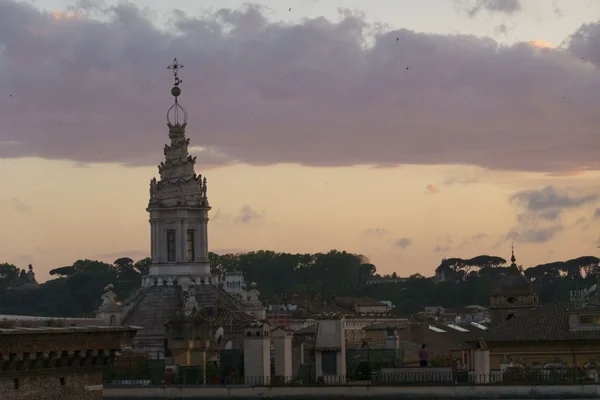
Chapter 05
Turning Walls and Paths of Belief
From Santa Bibiana to San Carlo and Sant’Ivo, examine how Bernini, Borromini and Pietro da Cortona organized worship, looking and movement among confined sites, existing buildings and urban squares.
Read this chapter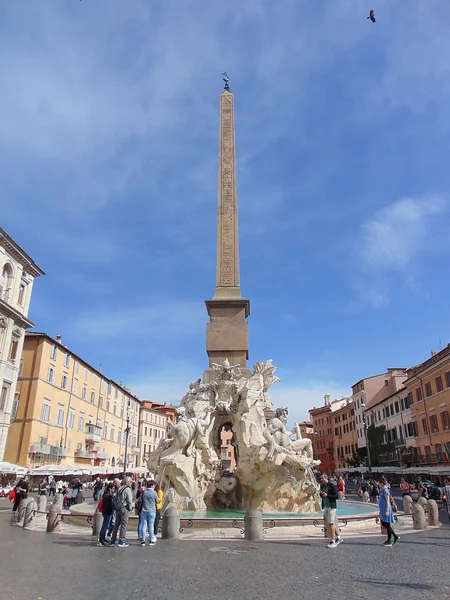
Chapter 06
Giving Water a Voice in the City
From garden water chains to Roman squares, trace how Baroque fountains combine underground pipes, mythological bodies, patrons’ emblems and human movement in continuously operating public settings.
Read this chapter
Nature, space and representation · 3 guides
France: landscape, houses and court
From ideal landscapes in Rome to Parisian houses, gardens and court images, discover how forms organise experience.
Claude and Poussin give landscape a historical role; architects and gardeners arrange arrival and distant views; court painters move among royal, religious and private commissions. Together they reveal the many relations between art, knowledge and patronage.
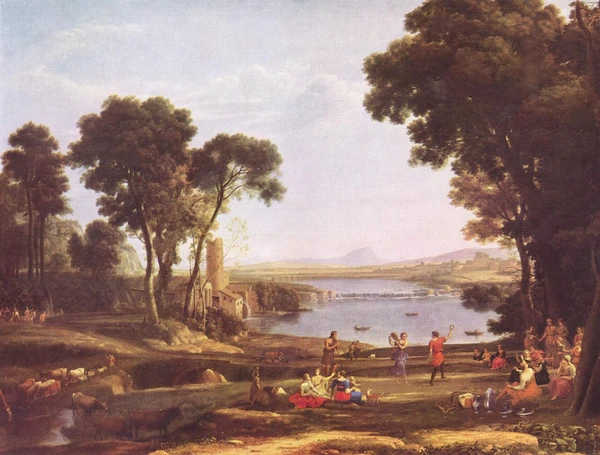
Chapter 01
Making Landscape Carry History: Claude and Poussin in Rome
From Roman countryside studies and saintly or royal embarkations to Phocion's ashes and a snake in the grass, discover how Claude and Poussin make landscape carry narrative, emotion and patronage.
Read this chapter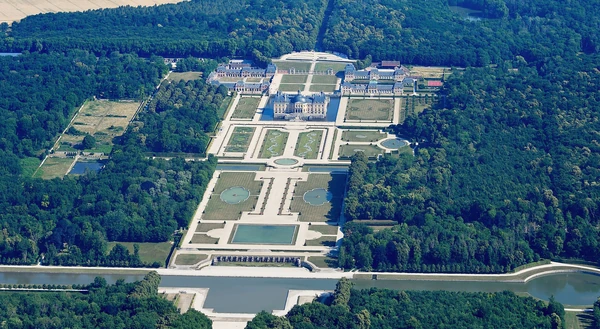
Chapter 02
Thresholds, Mirrors and Vistas: Looking through French Houses
Follow Sully's courtyards, Lambert's turns, Maisons's suspended stair and Vaux's water to understand how French architecture organises reception, status and movement.
Read this chapter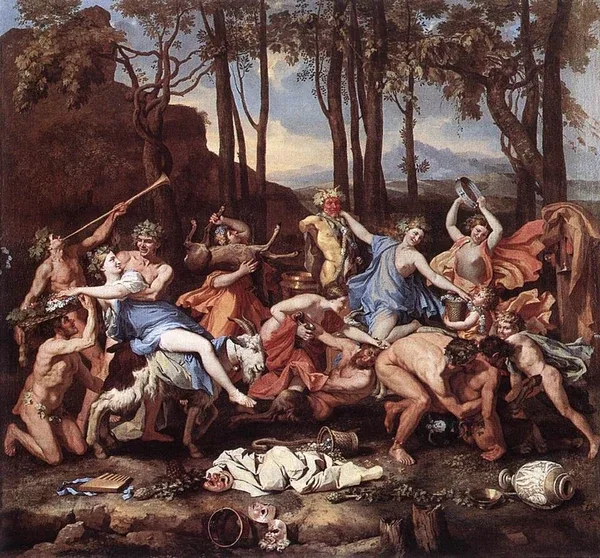
Chapter 03
Images of the Court, the Painter's Many Worlds
Through Poussin, Vouet, Le Sueur, Champaigne and La Tour, explore the intersections of royal commissions, artistic institutions, translation between materials and religious looking.
Read this chapter
Bodies, thresholds and furnishings · 3 guides
The Stuarts: dress, architecture and interiors
From the structures beneath clothes to courtly thresholds and collecting rooms, discover how identity is made.
English and French dress, early Stuart buildings and royal interiors bring materials, craft and etiquette into a shared field of view. Compare portraits with objects, designs with buildings, and original structures with later furnishings.
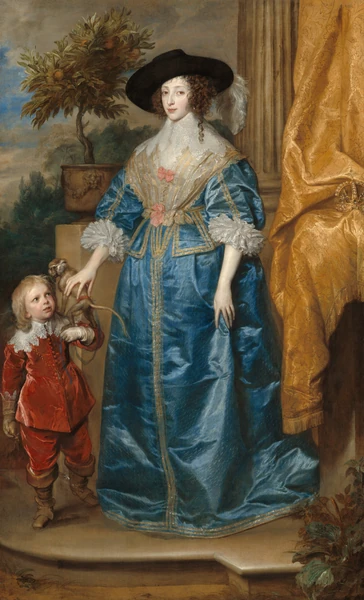
Chapter 01
Dressing Identity: Bodies and Craft in Seventeenth-Century England and France
Through portraits, surviving garments, fashion prints and dressed dolls, discover how English and French clothing shaped bodies and displayed identity, concealing tailoring, weaving and domestic work within apparent elegance.
Read this chapter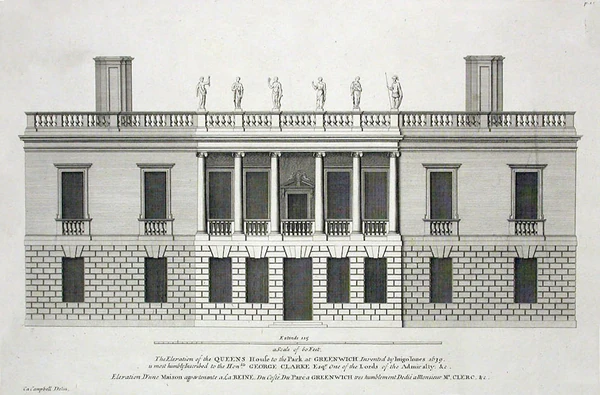
Chapter 02
The Scale of Court: From Ornate Houses to Classical Order
From galleries and royal apartments in brick houses to the Banqueting House, Covent Garden and the Queen's House, explore how classicism organised bodies, ceremony, cities and patronage.
Read this chapter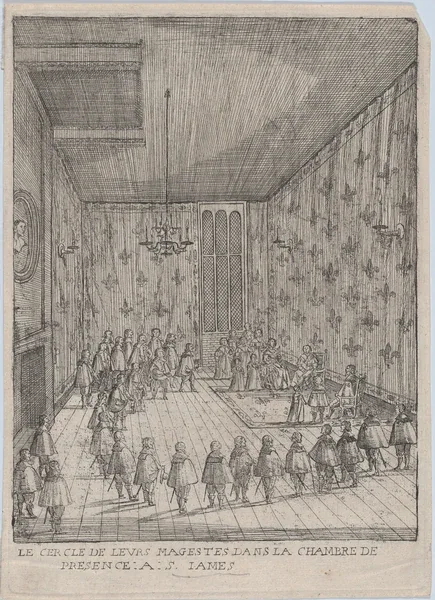
Chapter 03
Who May Sit, and Who May Enter the Next Room?
From Anne of Denmark's apartments to Mortlake tapestries and Ham House's Green Closet, explore how interiors coordinated ceremony, comfort, collecting and craft, while identifying the historical layers in surviving houses.
Read this chapter
Academies, workshops and careers · 3 guides
Artists: training, ambition and authorship
Who can learn, secure a commission and leave a name beside a work?
From academies and their barriers to Rubens’s international collaborations and the careers of nine women artists, explore the skills, resources, judgement and professional relationships that sustain artistic work.
Chapter 01
Making the Artist: Knowledge, Status, and Access
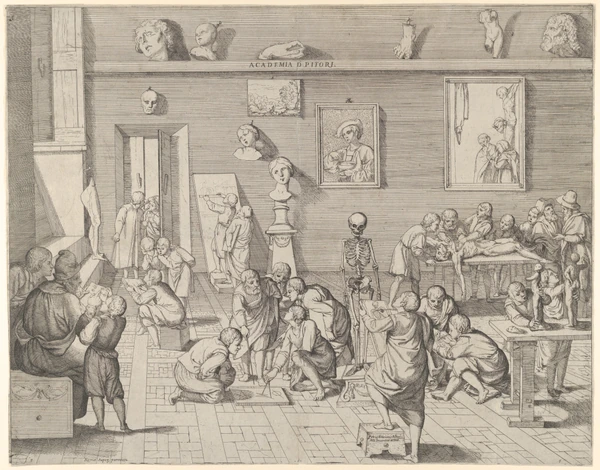
From Italian workshops to the French Royal Academy of Painting and Sculpture, explore how drawing became knowledge, masterpieces became teaching materials, and access to training, recognition, and commissions was determined.
Read this chapter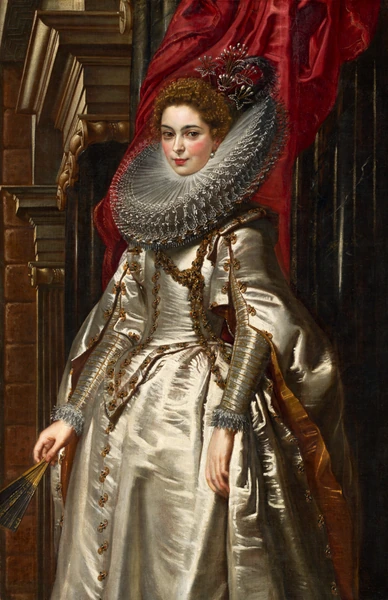
Chapter 02
Rubens: Painting in the Rooms of Power
Follow Rubens from his Italian education and Antwerp altarpieces to collaborative workshops, royal tapestries, English diplomacy, and late landscapes, exploring how painting could address bodies, learning, and public power.
Read this chapter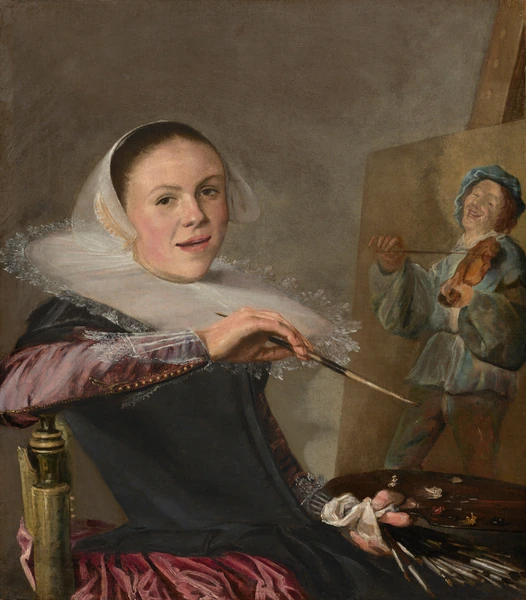
Chapter 03
Becoming an Artist: Women, Training, Labor, and Authorship
Through nine painters, from Nelli and Anguissola to Ruysch and Beale, investigate the works, educational routes, and working conditions that shaped early modern artistic production and value.
Read this chapter
Art, exploration and knowledge · 3 guides
The seventeenth century: looking, history and maps
Who were works made for? How did war move craftspeople? How did maps redraw the world?
Move from churches, courts and homes to dynastic politics, migrant crafts and measurement, tracing how seventeenth-century art changed through use, exchange and exploration.
Chapter 01
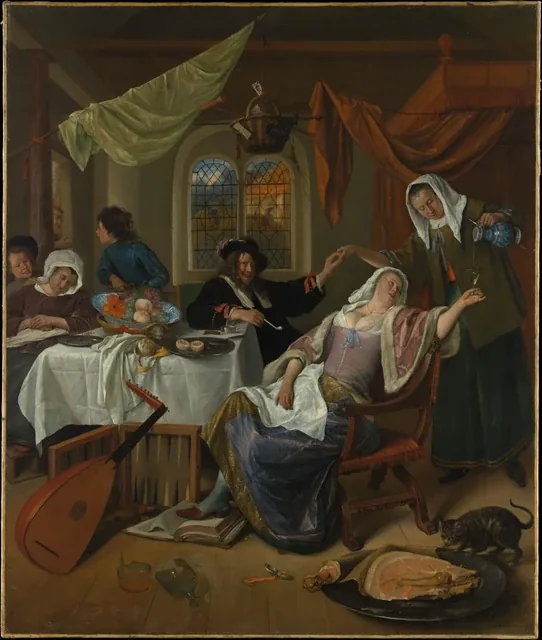
Before the Museum: Looking in Churches, Courts, and Homes
From two sleeping figures painted at very different scales to Bernini’s chapel, Versailles’s Hall of Mirrors, art shops, and Dutch homes, explore how distance, commissions, and everyday uses shape works of art.
Read this chapter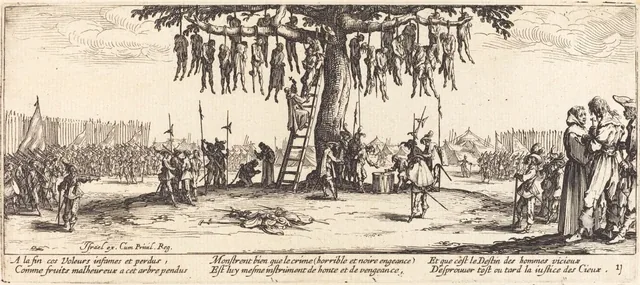
Chapter 02
Splendor amid War: Dynasties, Migration, and Seventeenth-Century Europe
Place royal portraits, peace conferences, war prints, silver furniture, and porcelain on one historical map to explore how religion, dynastic rivalry, and human movement changed artistic production and use.
Read this chapter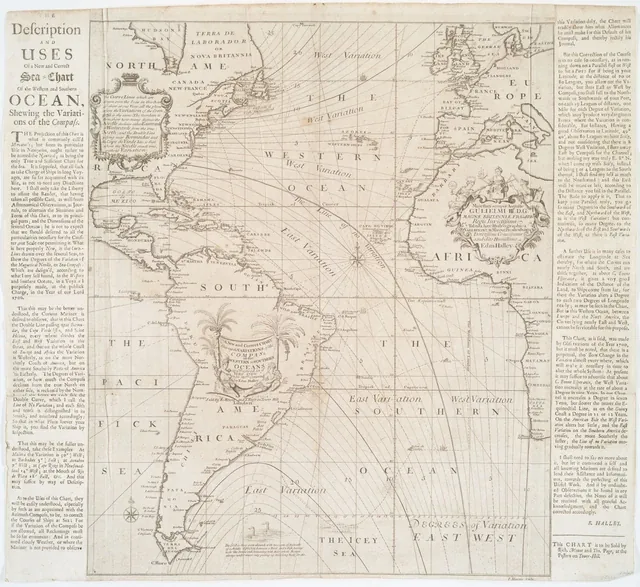
Chapter 03
Drawing the World: Maps, Knowledge, and Power
Read religious world maps, Halley’s magnetic lines, routes, colonial names, game boards, and the lunar surface to see how materials, signs, and ways of looking organize the world for understanding and use.
Read this chapter
The French court and its crafts · 3 guides
The age of Louis XIV: palaces, sculpture and furniture
From the Louvre and Versailles to sculpted bodies and cabinet materials, explore how royal power was made visible.
Read architectural joints, sculpted expressions and marquetry details to uncover collaboration, rivalry and skill—and follow what happens when objects leave their original settings.
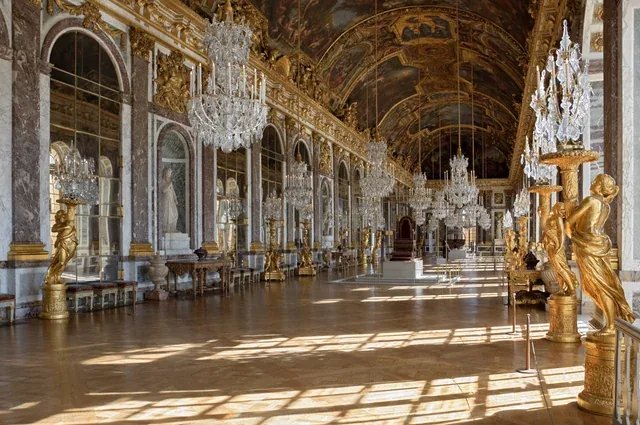
Chapter 01
From the Louvre to Versailles: Building the King’s World
Follow alterations at the Louvre and Versailles through the planetary apartments, Ambassadors’ Staircase, Hall of Mirrors, bedchamber, and gardens to connect architecture with ceremony, craft, collecting, and the state’s image.
Read this chapter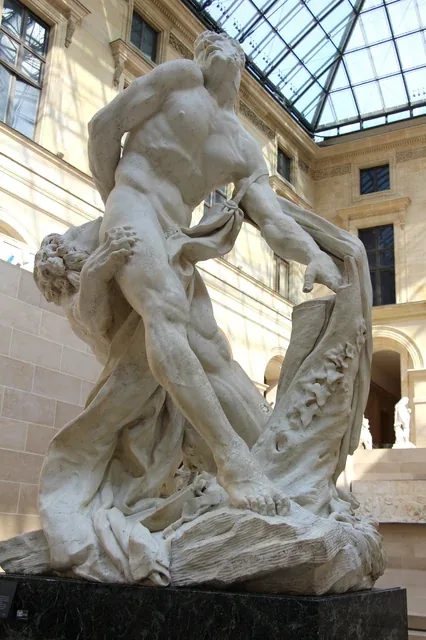
Chapter 02
Bodies in Stone: Devotion, Pain, and Royal Power in French Sculpture
Explore ancient models, workshop collaboration, and viewing positions in seventeenth-century French sculpture, asking how devotional figures, tombs, garden groups, and royal portraits give bodies different powers.
Read this chapter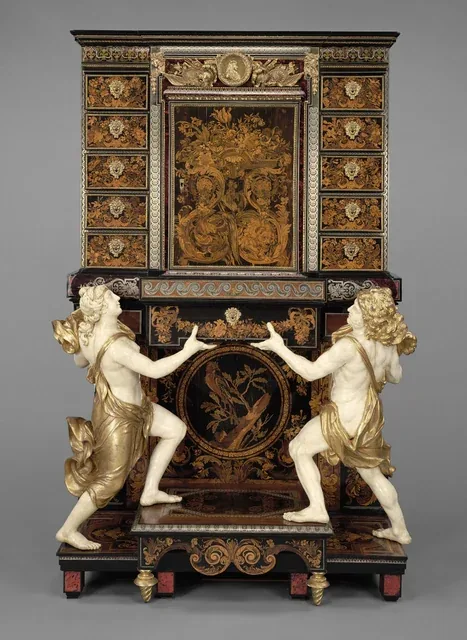
Chapter 03
Making Luxury: Furniture and Workshops in the Age of Louis XIV
Follow Cucci, Pierre Gole, and André-Charles Boulle through hardstone, wood, and metal marquetry to explore collaboration, attribution, and new furniture types reshaping interior life.
Read this chapter
Faith, civic groups and painting · 3 guides
The Dutch Republic: cities, portraits and light
How do whitewashed churches, militia portraits and candlelit figures together shape the northern Netherlands’ artistic world?
Explore the Republic’s social conditions, portrait commissions and Utrecht painters’ adaptations of Caravaggio to see how communities, individual identities and international experience intersect.
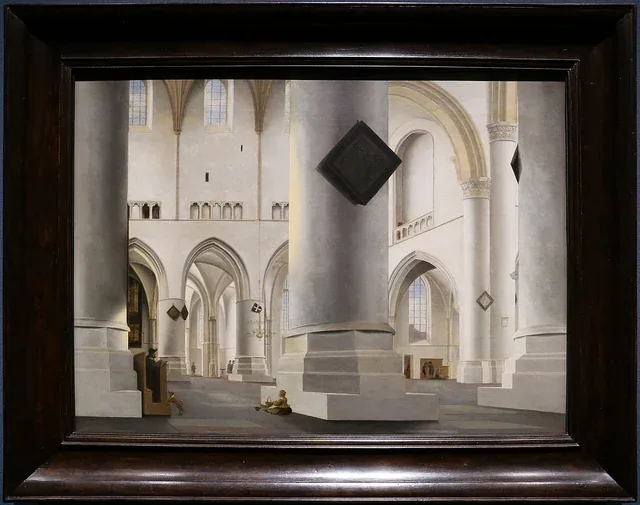
Chapter 01
Picturing a Republic: Faith, Markets and Looking in the Netherlands
Explore how the rise of the Dutch Republic changed the buyers, purposes and viewing conditions of art through church interiors, group portraits, prints, still lifes and landscapes.
Read this chapter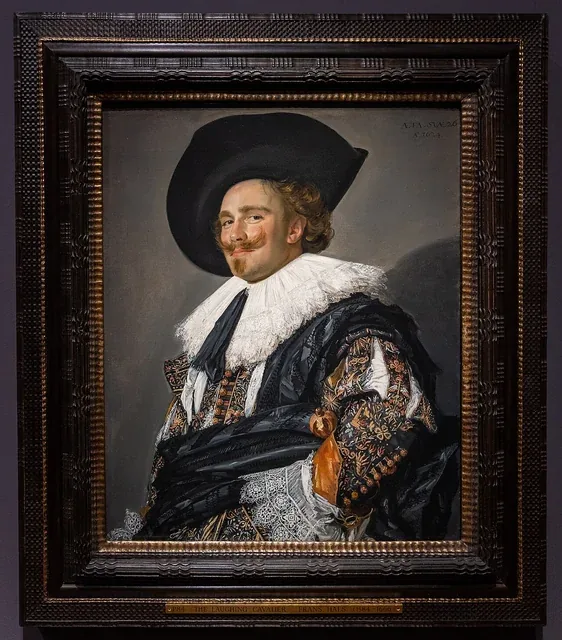
Chapter 02
Likeness and Representation: Identity in Dutch Portraiture
Compare portraits by Hals, Rembrandt, Leyster and De Keyser to see how appearance, dress, gestures and commissions jointly construct an image of a person.
Read this chapter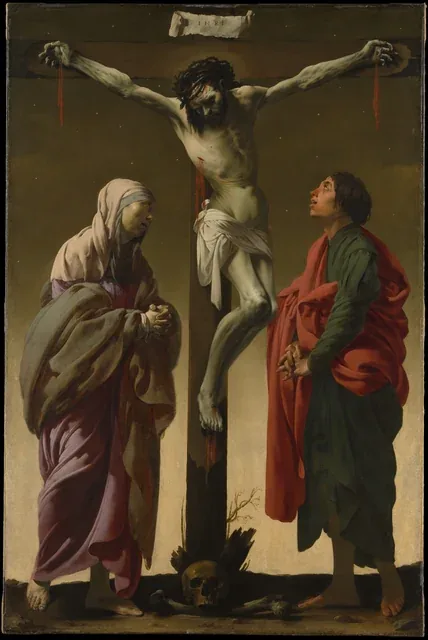
Chapter 03
How Light Travels: The Utrecht Caravaggisti
Look closely at Ter Brugghen, Honthorst and Baburen, with comparisons to La Tour, Hals and Rembrandt, to understand how Caravaggesque painting was selected, transformed and reused.
Read this chapter
Trade, materials and distant places · 3 guides
Art markets, export porcelain and global woods
From paintings sold to settle debts to commissioned porcelain and furniture veneers, trace how value takes shape.
London collecting and auctions, the diverse customers for Chinese ceramics and intercontinental supplies of wood connect looking, craft and exchange. Colonial power, labour and the environment enter the history of objects.
Chapter 01
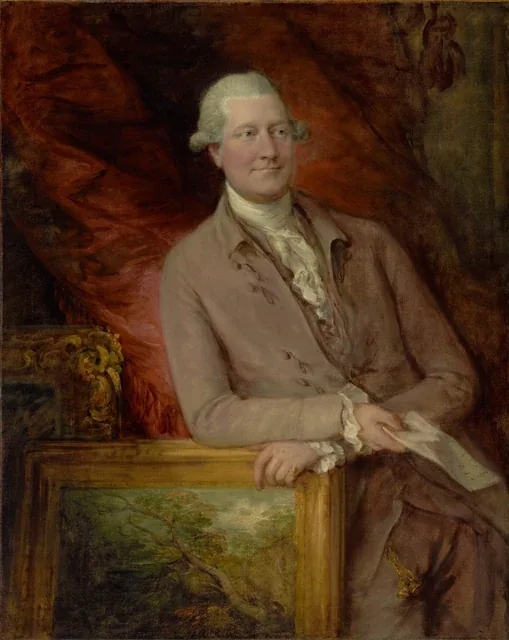
From Royal Collection to Art Market
Trace the international acquisition and debt-driven dispersal of Charles I’s collection, then explore Lely’s studio collection, printed catalogues, and coffeehouse auctions as changing ways to view, value, and redistribute art.
Read this chapter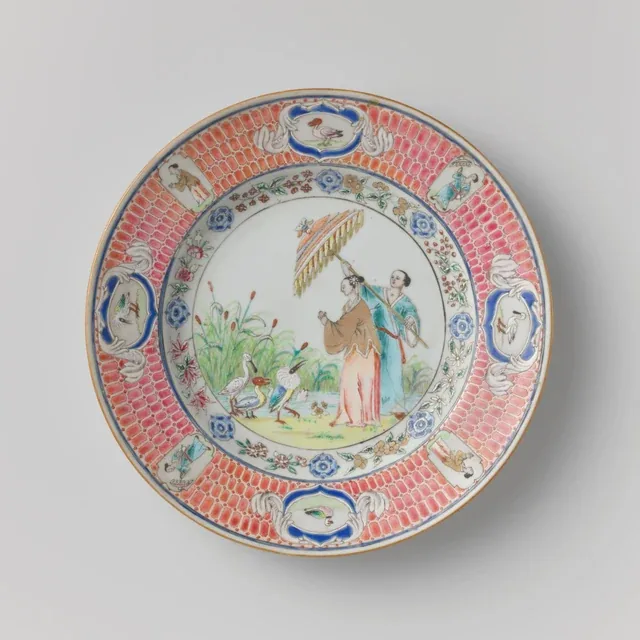
Chapter 02
A Porcelain Plate and a World of Desires
From silver-mounted Jiajing bowls, kraak dishes, and Japanese commissions to armorial services, Pronk designs, and Canton pattern plates, explore how Chinese ceramics changed form, purpose, and value across overlapping markets.
Read this chapter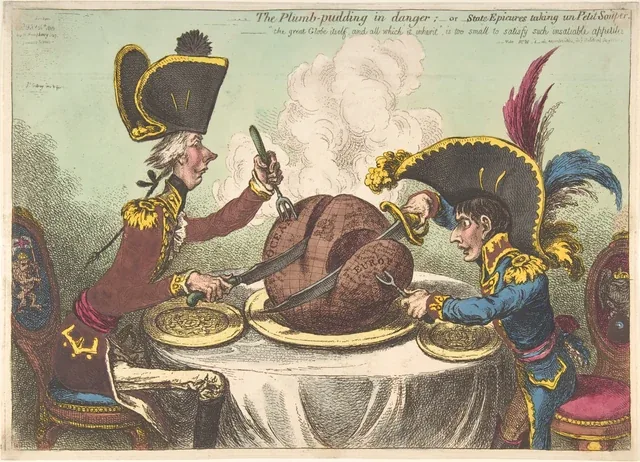
Chapter 03
A World in the Grain: Furniture, War, and Distant Forests
Investigate a seventeenth-century cabinet’s puzzling materials, Chippendale’s colored marquetry, Gillows’s specimen box, and ordinary nineteenth-century furniture through timber supply, taxation, colonial power, and craft.
Read this chapter
Rembrandt, genre and the land · 3 guides
Dutch painting: light, daily life and landscape
From marks on a copper plate and details in a room to clouds and waterways, notice the choices behind familiar things.
Rembrandt’s experiments across media, stories of everyday life and constructed Dutch landscapes show how observation, imagination, materials and markets produce different experiences of looking.
Chapter 01
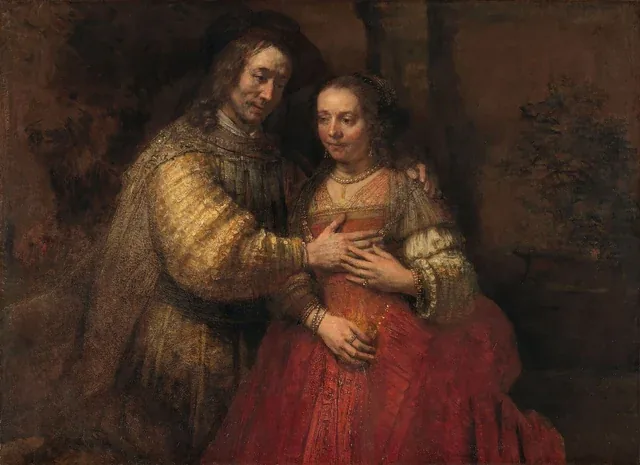
From Incised Lines to a Gentle Touch: Rembrandt’s Narratives and Methods
Through Balaam, Tobit, Judas, the Hundred Guilder Print, Bathsheba and The Jewish Bride, explore how Rembrandt used light, gesture, materials and revision to give history and myth the immediacy of human experience.
Read this chapter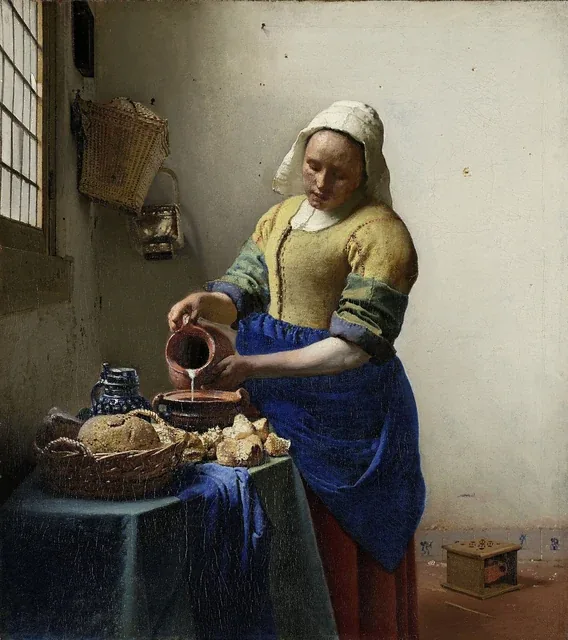
Chapter 02
Who Is Watching Whom? Everyday Life, Desire and Suspense in Dutch Genre Painting
Through Leyster, Dou, Metsu, Ter Borch, Maes, Jan Steen, De Hooch and Vermeer, explore how everyday scenes were invented and how symbolism, class, gender and painterly skill work together.
Read this chapter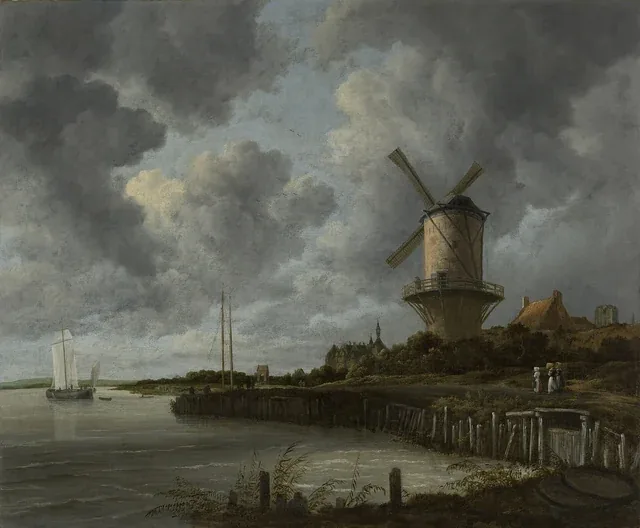
Chapter 03
How Land Becomes Landscape: Dutch Skies, Waterways and Imagination
From Avercamp’s ice scenes and Potter’s bull to Ruisdael’s skies, Hobbema’s avenue, ferries and Cuyp’s ideal landscapes, explore how observation, engineering and pictorial invention make Dutch landscape convincing.
Read this chapter
Decoration, portraiture and still life · 3 guides
Painting interiors, faces and objects
A ceiling overhead, a portrait in the palm and objects on a table each ask us to look differently.
Explore painted interiors in England, the practical work of portrait studios and the lustre and illusions of still life to discover how materials, distance and commissions change a painting’s meaning.
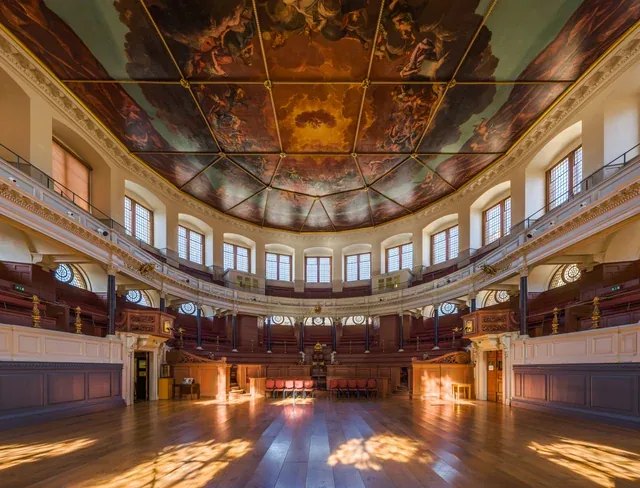
Chapter 01
When Walls and Ceilings Begin to Speak
From Whitehall and the Queen’s House to Burghley’s Heaven Room, Greenwich’s Painted Hall and the staircase at Kimbolton, explore how materials, movement, mythology and collaboration change the experience of interiors.
Read this chapter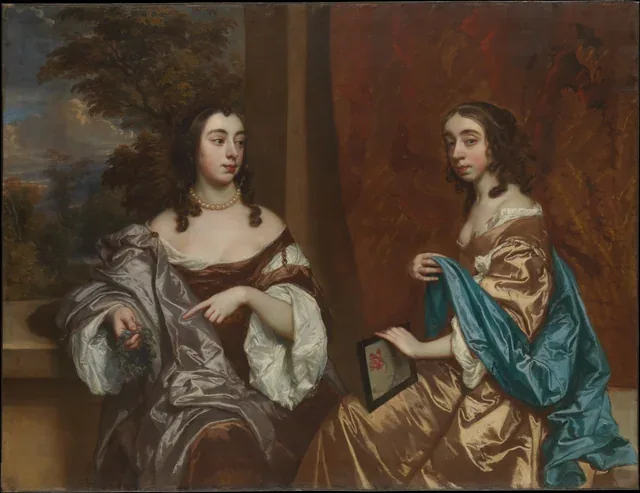
Chapter 02
How Is a Face Made?
From Pepys’s hired silk gown, Lely’s reusable gestures and the Beale household’s accounts to Wright’s fine handling, Petitot’s enamels and Cooper’s watercolours, follow the making and social uses of seventeenth-century portraits.
Read this chapter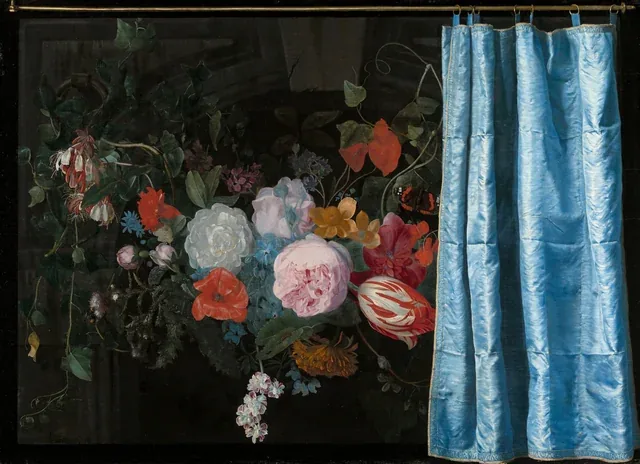
Chapter 03
A World upon a Table
From ancient grapes, Caravaggio’s basket and Cotán’s vegetables to Kalf’s imported objects, Heda’s tables, Brueghel’s bouquets and Gijsbrechts’s painted reverse, explore how motionless things carry history and shape looking.
Read this chapter
From royal apartments to urban domes · 3 guides
The Restoration: rooms, houses and churches
Read Restoration interiors, country houses and churches through ceremony, daily life and successive alterations.
Move between intimate rooms and monumental buildings to understand how use, patronage and later changes shape what survives.
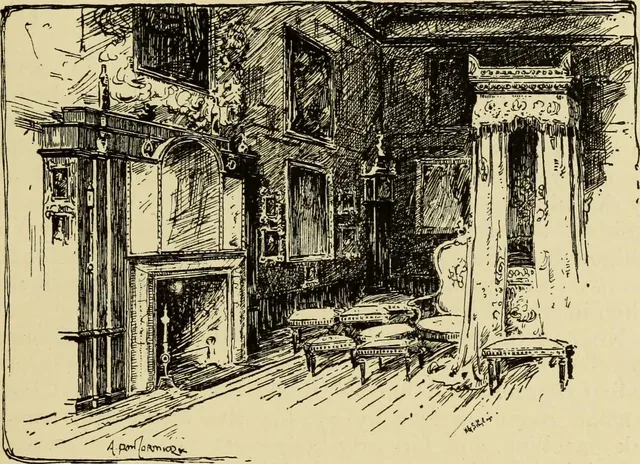
Chapter 01
The Dynasty Returns: Making Continuity Visible Indoors
From Charles II’s Windsor and Whitehall to Mary II’s porcelain and William III’s mirrors, explore how interiors between 1660 and 1714 rebuilt dynastic continuity while regulating intimacy and retreat.
Read this chapter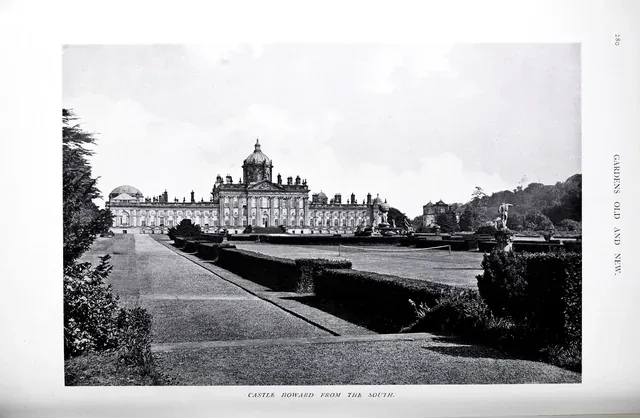
Chapter 02
From Compact House to Commanding Landscape
Follow Ashdown, Coleshill, Eltham, and Kinross through to Chatsworth and Castle Howard, exploring the country house’s changing scale between domestic use, politics, and landscape.
Read this chapter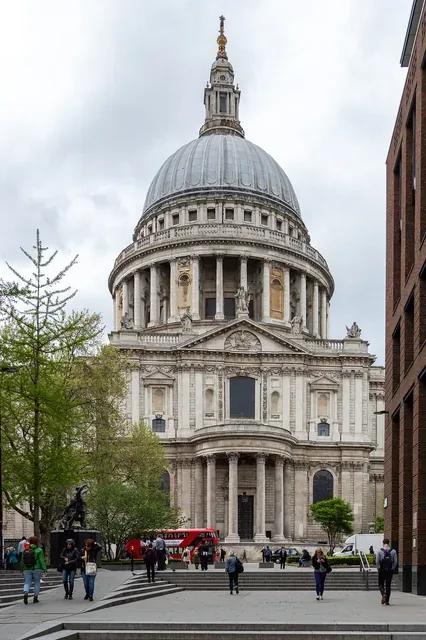
Chapter 03
Making the Church Heard and Seen in the City
From Saint Paul’s after the Fire to Spitalfields and Bloomsbury, follow Wren, Hawksmoor, and Gibbs as they reshape London’s churches through light, sound, classical forms, and constrained sites.
Read this chapter
Architectural order and the painted gaze · 3 guides
The Spanish court: palaces, painters and faith
From El Escorial to Velázquez, Zurbarán and Murillo, explore how courtly and religious images organise looking.
Compare the experience of moving through royal buildings with the attention demanded by painted faces, materials and sacred figures.
Chapter 01
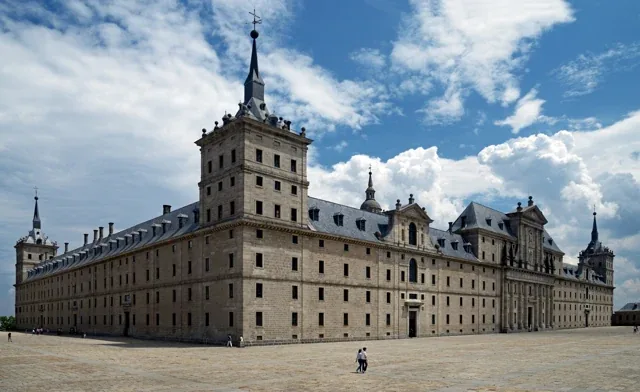
Two Scales of Royal Power: From El Escorial to the Buen Retiro
Follow monastery, library, altar, and public square to explore how the Spanish Habsburgs organized faith, memory, and authority through architecture, sculpture, and painting.
Read this chapter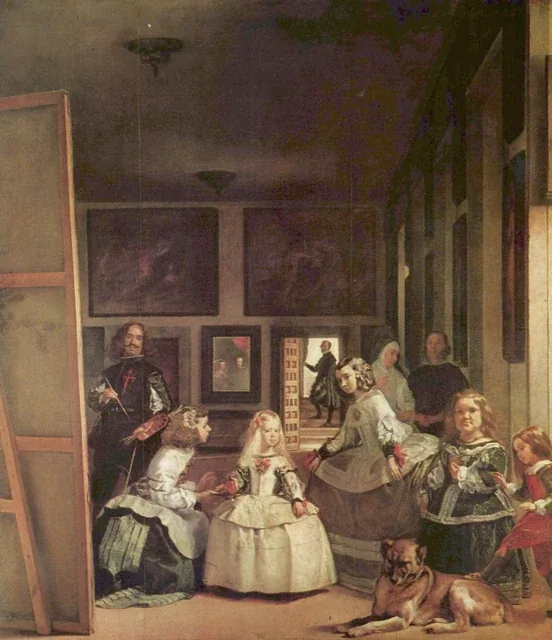
Chapter 02
Where Does the Painter Stand? Velázquez and the Madrid Court
Look closely at Old Woman Cooking Eggs, The Surrender of Breda, Las Meninas, and The Spinners to trace relationships among brushwork, status, court commissions, and the viewer’s position.
Read this chapter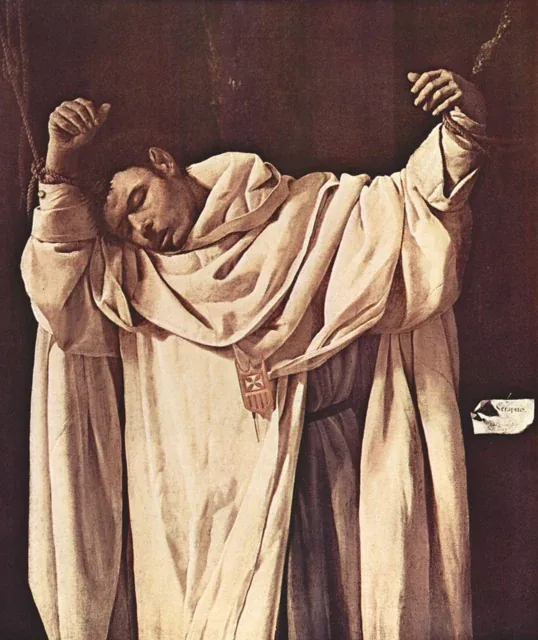
Chapter 03
Making Faith Visible: Zurbarán, Murillo, and Religious Painting
From a martyr’s folds and a contemplative hood to a mother teaching her daughter and the Immaculate Conception, explore how Spanish religious painting connects faith with materials, light, and habits of looking.
Read this chapter
From the details of rooms to the layout of land · 3 guides
Palaces, furniture and gardens
Follow palace alterations, furniture making and Italian water gardens to see how objects and spaces shape daily life.
Read buildings, joints, textiles and watercourses as evidence of collaboration, changing uses and the work required to maintain a designed environment.
Chapter 01
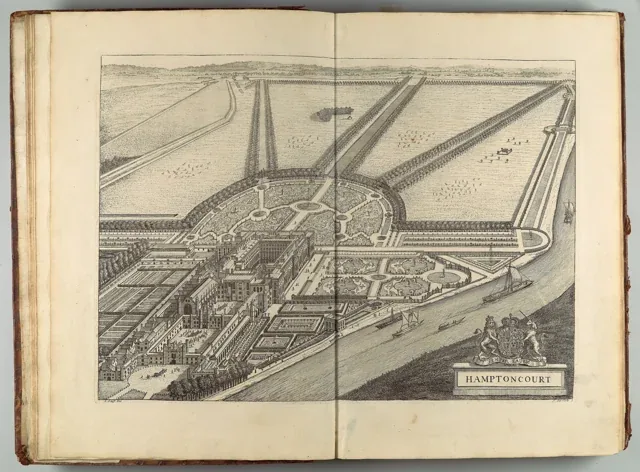
Why Were Royal Palaces So Often Left Unfinished?
From Greenwich, Windsor, and Winchester to Kensington and Hampton Court, explore how royal buildings took shape through negotiations with inherited walls, money, politics, and everyday life.
Read this chapter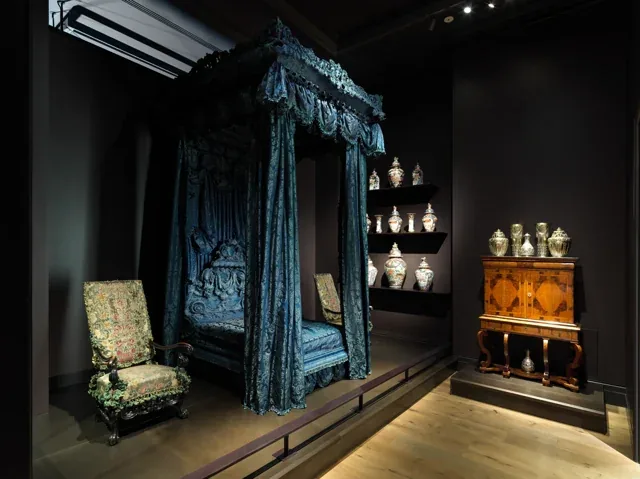
Chapter 02
What History Is Hidden Beneath a Chair?
From state beds, cane chairs, and gate-leg tables to floral marquetry, Asian lacquer panels, and desk-and-bookcases, explore how workshop specialization, materials, and domestic needs transformed furniture.
Read this chapter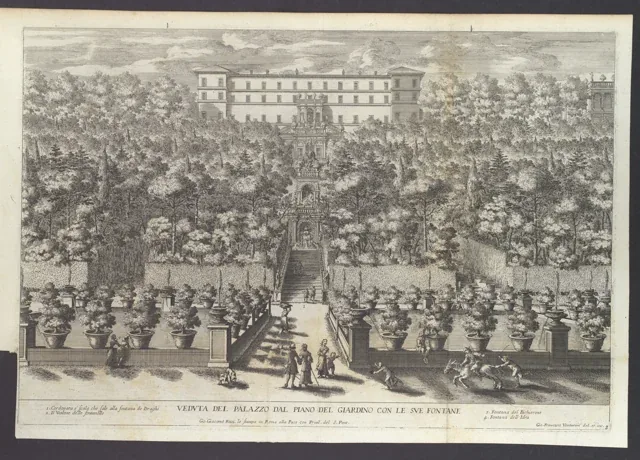
Chapter 03
Why Do We Climb while the Water Flows Down?
From Medici terraces and artificial grottoes to Villa Lante, Bomarzo, Villa d’Este, and Isola Bella, explore how gardens organize bodies, views, flowing water, and memory.
Read this chapter
Different rhythms into the eighteenth century · 3 guides
The Baroque continues: time, place and new painting
From clock mechanisms and architectural translations to Watteau and Chardin, explore the persistence and transformation of Baroque art.
Compare technical change, regional interpretation and new forms of attention without reducing them to a single turning point.
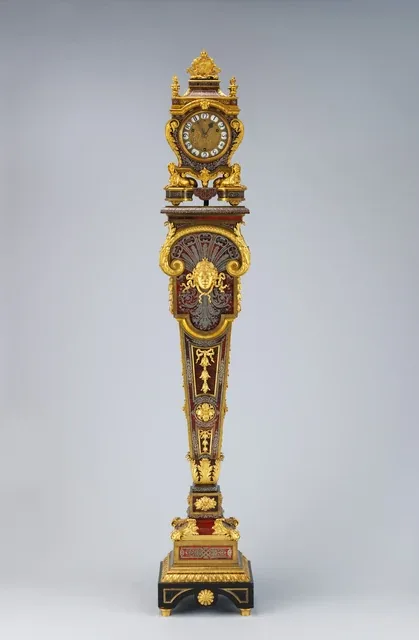
Chapter 01
Making Time Visible
From lantern clocks to observatory regulators and royal year-going clocks, explore how precision was made, read, heard and maintained, comparing different forms of luxury in England, France and Augsburg.
Read this chapter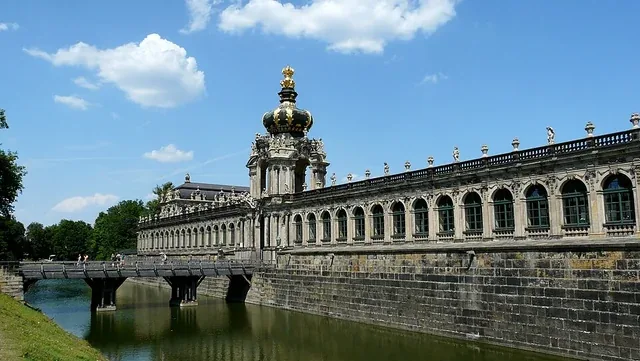
Chapter 02
The Baroque Beyond Rome
Follow forms from Venice and Turin to Prague and Dresden as courts, faiths and local crafts reshape them, then travel through prints to Chinese porcelain and South American churches.
Read this chapter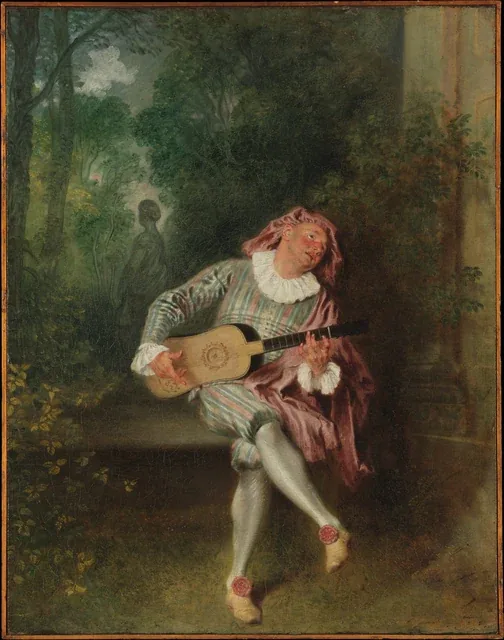
Chapter 03
From the King's Stage to a Passing Thought
Approach Watteau through formal portraits, court decoration, theatre and drawing, then use explicitly dated later works by Chardin and Liotard to explore changing ways of seeing leisure and daily life.
Read this chapter
Choose a story to explore
Read in sequence, or begin with a work that interests you.
- 01
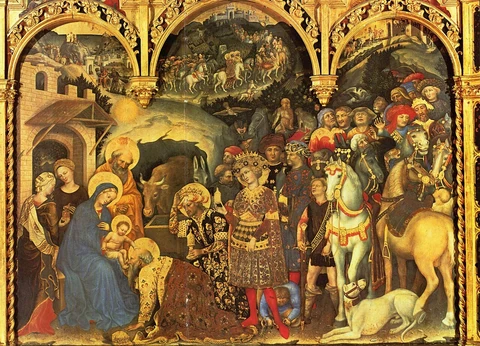
An Introduction to History Painting: Time, Gesture, and the Viewer’s Role
How Can a Still Painting Tell a Story?
You do not need to know every mythological figure before you begin. Start with a gesture, and learn to distinguish the clues, stories, and viewpoints within a painting.
Read this chapter - 02
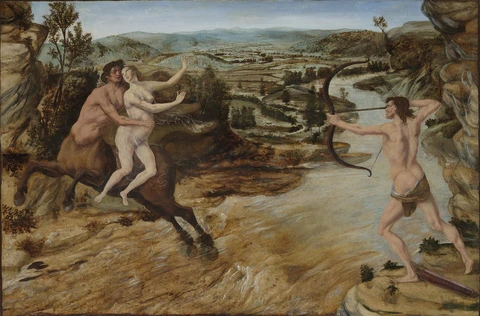
Pollaiuolo’s Hercules and Deianira: Bodies, Landscape, and a Tragedy Yet to Come
Is the Hero’s Arrow Really a Victory?
Read the drawn bow, the river separating the figures, and the damaged surface to discover how a rescue also conceals a turning point in a hero’s fate.
Read this chapter - 03
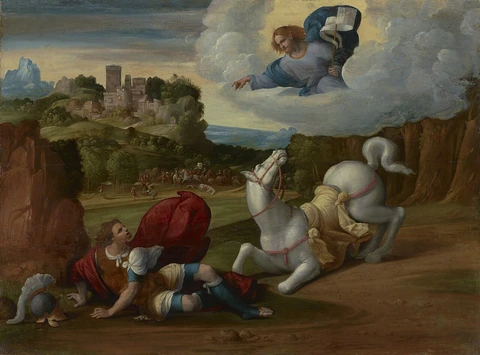
Garofalo’s The Conversion of Saint Paul: How a Body Losing Control Expresses a Life Changing Direction
When a Rider Falls from His Horse, What Else Changes?
Begin with the fallen man and horse, distinguish the biblical account from the painter’s choices, and compare how the same story becomes a panoramic event or an intimate revelation.
Read this chapter - 04
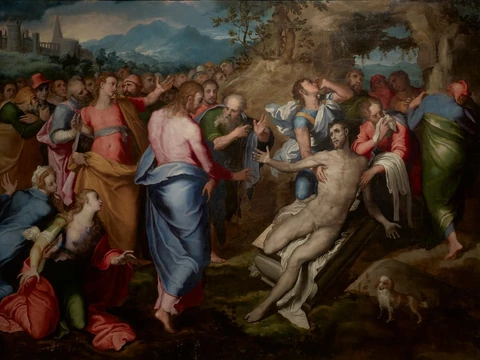
Marco Pino’s The Raising of Lazarus: Looking at Mannerism through the Senses and Gesture
How Can Exaggerated Bodies Make a Miracle Believable?
Move through the crowded figures and twisting poses to discover how Pino uses one pair of hands after another to guide viewers toward an understanding of death, resurrection, and belief.
Read this chapter - 05
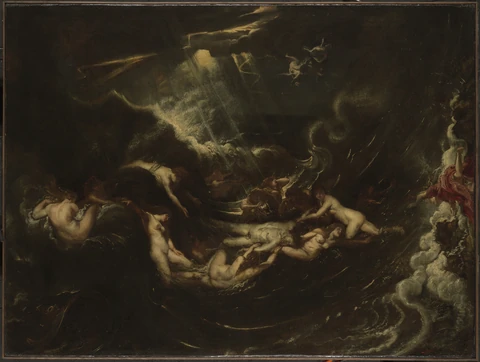
Reading Light, Figures and the Power of Nature in Rubens’s Hero and Leander
How Can a Storm Tell the Ending of a Love Story?
Follow the waves, skin tones and figures’ gazes to see how Rubens transforms the tragedy of two lovers from antiquity into a visual narrative shaped by emotion and a point of view.
Read this chapter - 06
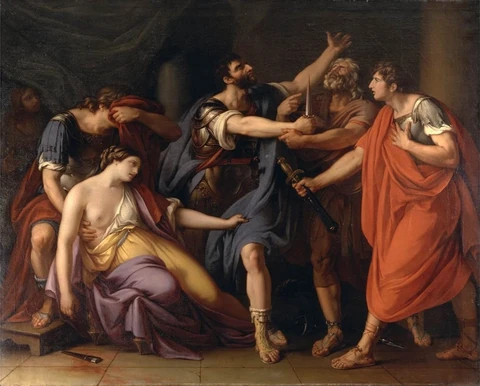
Composition, Classical Ideals and Women’s Voices in Hamilton’s The Death of Lucretia
How Does One Person’s Tragedy Become a Collective Oath?
Observe how gestures move private trauma into public politics, and ask whose experience may be obscured when a painting celebrates duty and freedom.
Read this chapter - 07
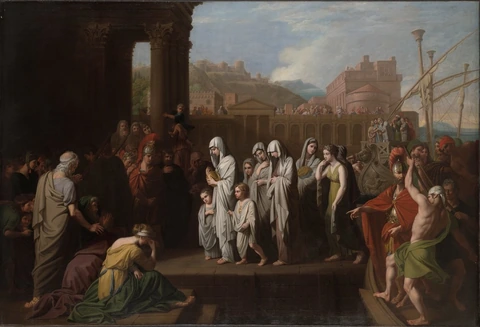
Silence, Crowds and Public Memory in Benjamin West’s Agrippina Landing at Brundisium with the Ashes of Germanicus
How Does a Family’s Grief Become an Entire City’s Concern?
Begin with the pale-clad family at the center and the mourners around them to see how West combines historical writing, classical poses and a patron’s expectations to shape grief for remembrance.
Read this chapter - 08
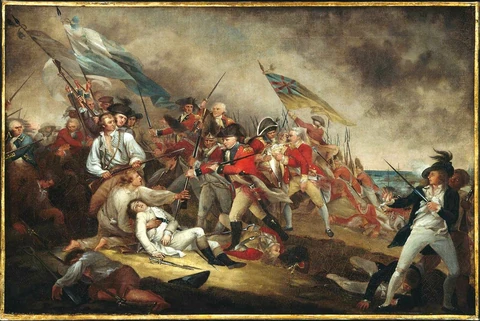
Trumbull’s Battle of Bunker’s Hill: Staged Sacrifice, Mercy across Enemy Lines and the Circulation of Images
How Does a Defeat Become a Nation’s Heroic Memory?
Follow the diagonal of redcoats, the fallen Warren and the intercepted bayonet to see how a history painting shapes a complicated battle into a national story to be passed down.
Read this chapter - 09
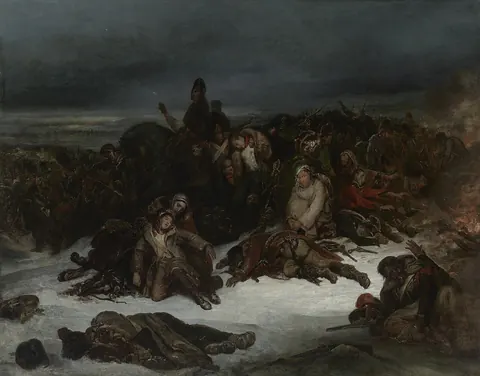
Ary Scheffer’s The Retreat of Napoleon’s Army from Russia: Defeat, Care, and the Cost of War
When Victory Disappears, What Is Left of the Hero?
Begin with wounded soldiers and the people supporting them in the snow to understand how Scheffer reworked heroic history painting, and compare the victims of war in works by Géricault, Gros, Goya, Turner, and Delacroix.
Read this chapter - 10
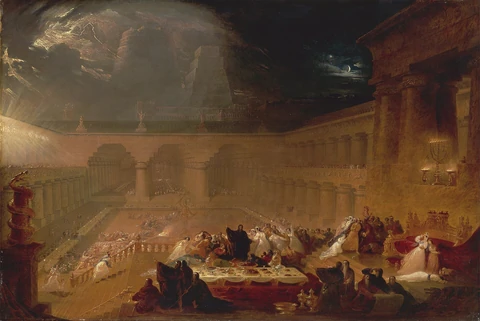
John Martin’s Belshazzar’s Feast: Architecture, Light, and the Birth of Mass Spectacle
Can a Story Become More Powerful When Its Figures Are as Small as Ants?
Enter a Babylonian palace that could scarcely be built, discover how Martin turned a biblical narrative into a visual spectacle, and follow its journey to a broad audience through exhibitions and prints.
Read this chapter - 11
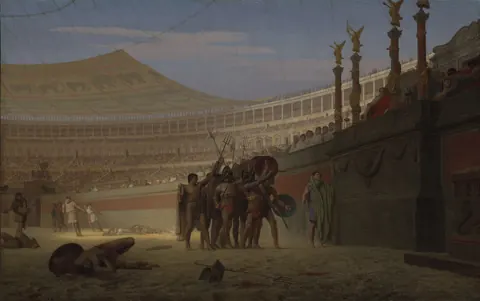
Gérôme’s Ave Caesar: Historical Realism, the Desire to Look, and the Turn toward Modern Painting
While We Watch in Fascination, Who Pays the Price?
Begin with a fight in the arena that has yet to start, distinguish archaeological detail from invention, and ask how history painting entered modern life through the Salon, reproductions, and new ways of seeing.
Read this chapter
Sources for the history-painting series
Art Value Lab has developed these online guides from the supplied illustrated materials for John Walsh’s history-painting lectures at the Yale University Art Gallery. Chapter structure, looking questions and further reflections are editorial contributions. Image sources are identified in their captions. This English edition translates Art Value Lab’s Chinese guides; it is not a transcript of the original lectures.
This series explores ways of looking at European and North American history painting; it is not a comprehensive history of world art.
John Walsh / Yale University Art Gallery lecture series