Africa’s Art Market Is Shifting as Competition in the Middle East Heats Up
African dealers and auction houses are balancing international growth with the need to build infrastructure at home.
Original author · Margaret Carrigan
Artnet News / Artnet Pro ·
Reading & commentary · Art Value Lab
Original reading · 01
In Doha the other week, many people told me they were traveling onward to New Delhi for the India Art Fair, which ran February 5–9; few said they were headed to Marrakech for the similarly timed 1-54 Contemporary African Art fair.
The fair has been a vital platform for Modern and contemporary African art since it launched in London in 2013. Yet this year’s Marrakech edition was noticeably smaller than 2025’s, with just 22 galleries, down more than 25 percent.
That contraction comes at a pivotal moment. Art Basel ’s arrival in Doha has sharpened the competitive focus across the MENASA (Middle East, North Africa, and South Asia) region. With global art firms targeting growth in the area, questions loom about whether the nascent African market can sustain its momentum.
Shifting Dynamics
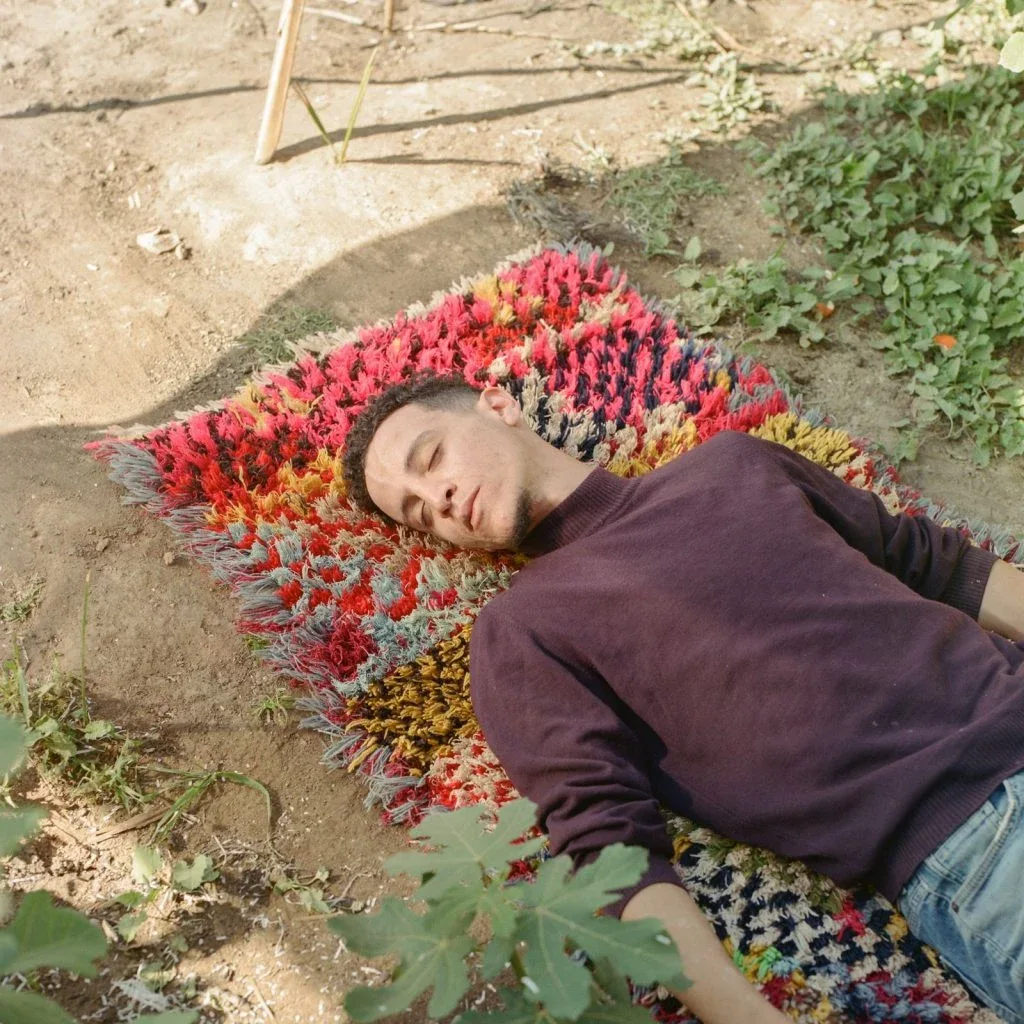
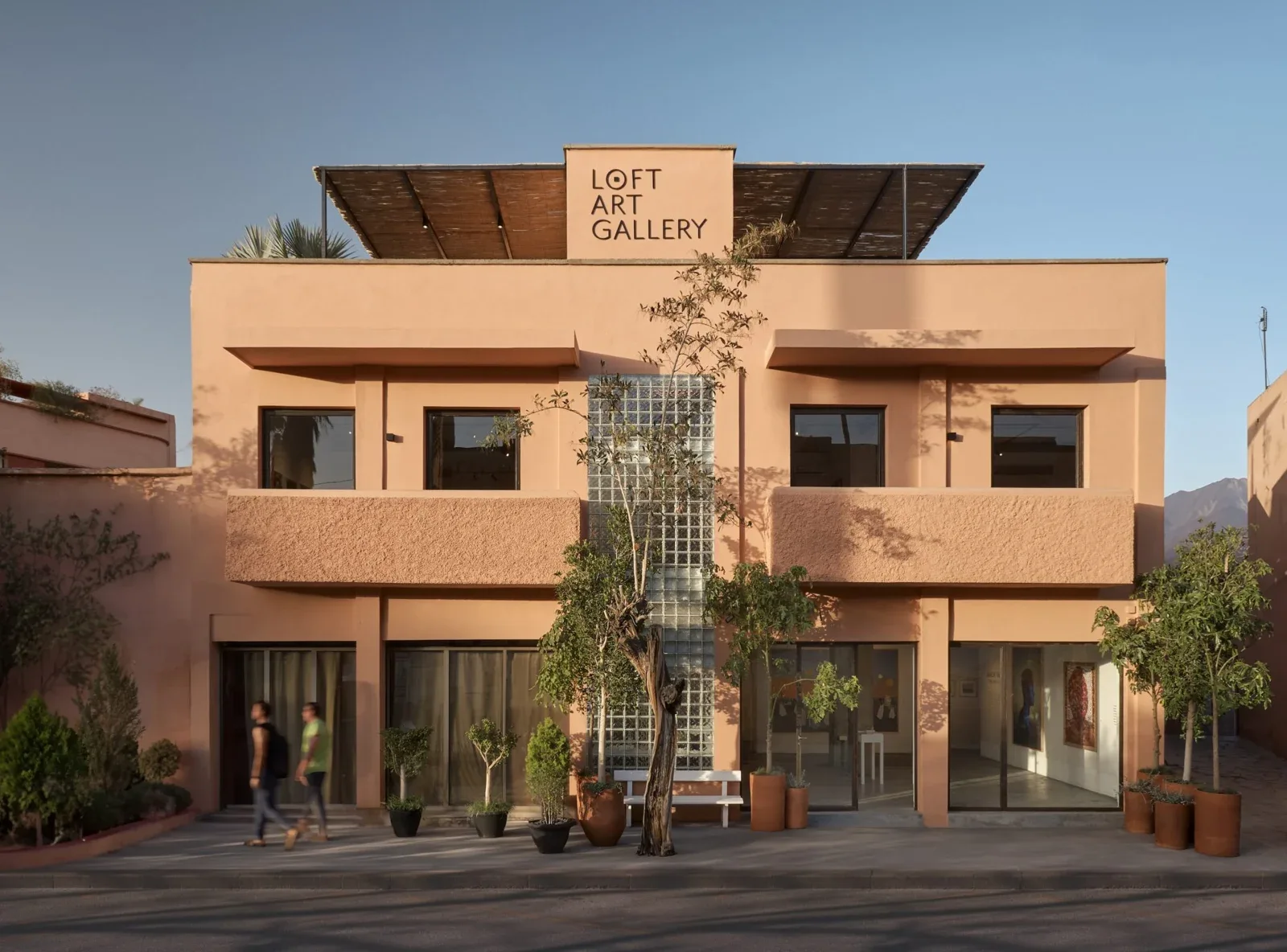
The arrival of an art brand on the level of Art Basel has shifted dynamics in the region. Yasmine Berrada, the founder and director of the Marrakech outfit Loft Art Gallery, who participated in both Art Basel Qatar and 1-54, said that the two fairs were complementary: “Marrakech consolidates our presence within a rooted ecosystem, while Doha expands our reach into new transregional networks.” In Doha, she showcased luminous photographs by Franco-Moroccan artist Mustapha Azeroual, priced between $47,000 and $71,000 , and in Marrakech, she mounted a group presentation featuring fellow Franco-Moroccans M’hammed Kilito, Nassim Azarzar, and Mehdi-Georges Lahlou .
Is it tenable for dealers to do two fairs at the same time? The economic headwinds of the past few years have shifted priorities for many galleries and collectors, who are getting choosier about which fairs they attend. And while certain segments of the market are rebounding, others are in decline.
Under Pressure The African market “is under pressure,” Frank Kilbourn , the chairman of the South African auction house Strauss and Co., said in a webinar last week.
Original reading · 02
According to the Artnet Price Database, auction sales of works by African artists totaled $70.5 million globally in 2025, a 43 percent increase from 2024, although still a far cry from the 2022 peak of $116.5 million. Yet total art auction sales in Africa have been declining over the last decade, suggesting African art is being traded more frequently outside of the continent.
Of course, 2025 was a complicated one for the international market. After years of decreasing sales, signs of growth emerged only later in the year, and only in certain categories and regions. Kilbourn said that the African art market is still in a “wait-and-see” environment. Things could be looking up: Strauss and Co. posted total sales of $28 million in 2025, an increase of 26 percent year over year. These improved figures are thanks in part to the establishment of a new private sales department, which accounted for 17 percent of revenue, as well as strong online-only auctions that brought in more than $6 million, roughly 21 percent of total revenue. Around a third of all buyers last year were new to the auction house.
Room for Growth
Many African art firms are eying international growth. Susie Goodman , Strauss’s executive director, was in Doha last week meeting with clients, and said that it is essential for the house to educate the public about African artists, especially Modern ones whose practices have “not been documented, been undervalued, and haven’t had the exposure they needed” because of the lack of art infrastructure in Africa. She pointed to the house’s first auction in Nairobi, Kenya, last year as an example of such efforts.
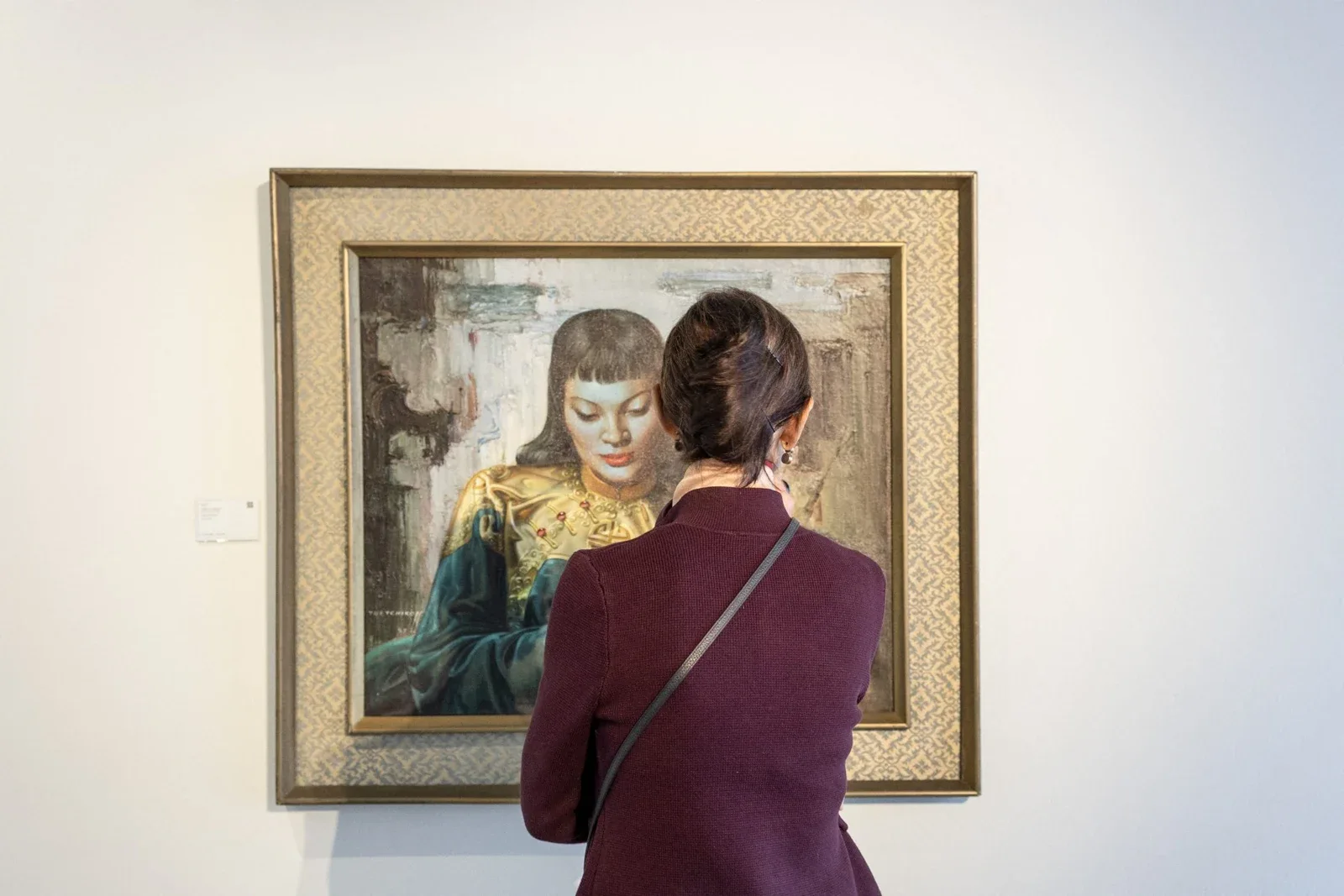
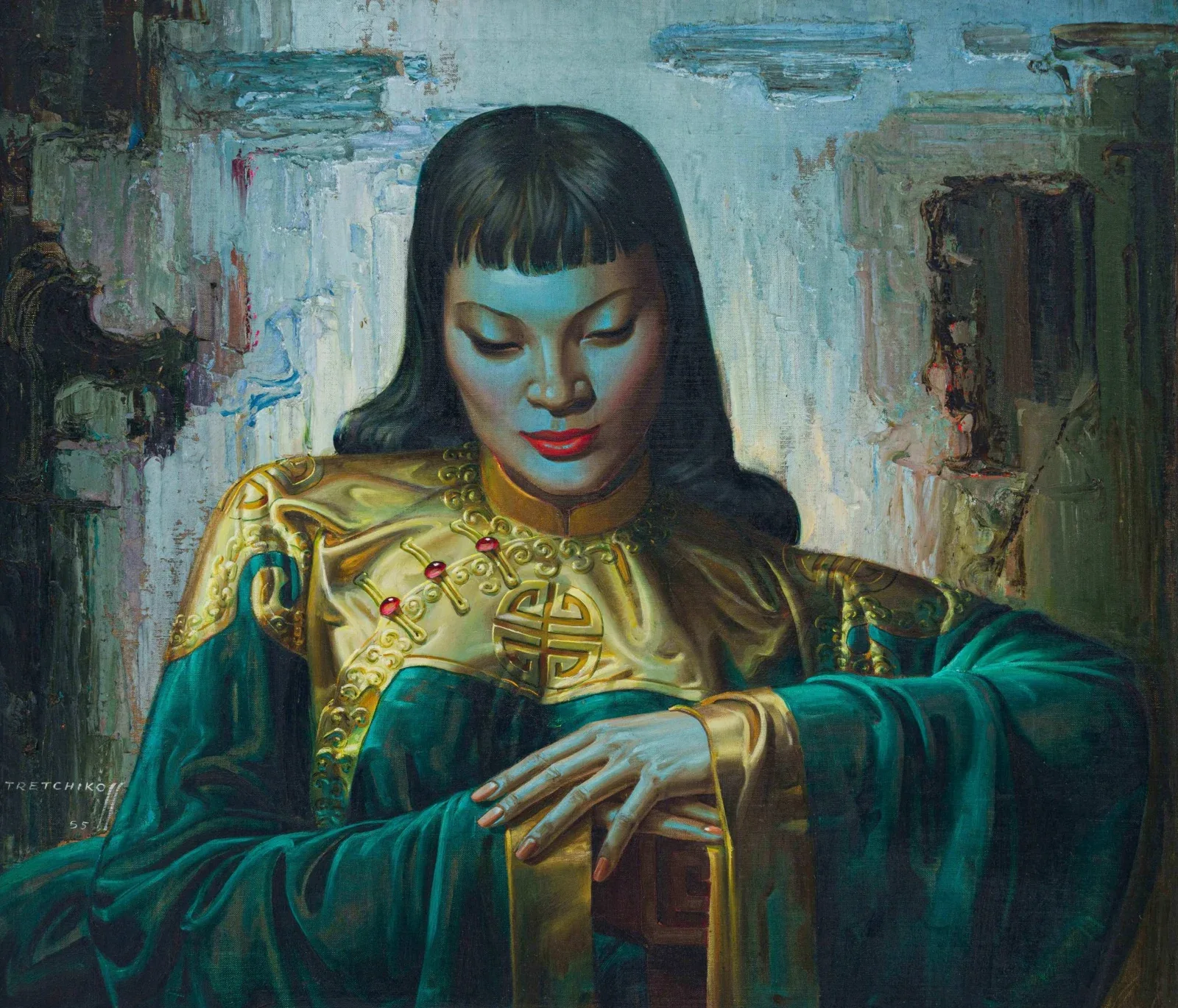
As art firms grow on the continent, some museum-grade works are being repatriated. That was the case in May, when Russian-born South African artist Vladimir Tretchikoff’ s 1955 painting Lady of the Orient sold at Strauss for a record $1.8 million, after a dramatic battle that drew 89 bids. The work had been held in an international collection for several decades and was brought back to South Africa for sale.
With the MENASA region now in the global spotlight, interest in its art is gaining momentum. Strauss and Co.’s African Art in Venice Forum is returning this year with new a co-sponsor, the Smithsonian National Museum of African Art in Washington, D.C. , which is planning more programming around art from North Africa this year.
As Gulf states invest heavily in their cultural spheres, and as well-capitalized foreign firms enter, a grassroots regional concern like 1- 54 is in a complicated position: Can it maintain its footing as a standalone, African-led platform, or will it need to reposition itself as a satellite to larger global players? And as global demand for African art grows on both the primary and secondary markets, the challenge lies in making sure the financial and cultural gains remain generative for Africa and are not siphoned off elsewhere.
Read the argument alongside market data
Source & reading notes
Africa’s Art Market Is Shifting as Competition in the Middle East Heats Up
Margaret Carrigan · Artnet News · 2026-02-14
The English reading retains the supplied article’s wording, with navigation, advertising and recommendations removed. The Chinese edition is an editorial guide, not a parallel translation. Observations refer to the publication date. Art Value Lab commentary does not represent the author’s views. Image rights remain with their respective owners.