The Art Trade’s ‘Necessary Evil’ Keeps Getting More Expensive
Complicated rules and persistent inflation are making the matter more and more vexing.
Original author · Katya Kazakina
Artnet News / Artnet Pro ·
Reading & commentary · Art Value Lab
Original reading · 01
What’s the number one issue that everyone in the art industry deals with and no one likes to talk about?
I’ll give you a hint. It’s become bigger since Covid.
Fritz Dietl, who operates Dietl, one of the biggest art logistics companies in the world, called it “the necessary evil.” Belgian collector Alain Servais said that “it’s one of the most treacherous things” in the trade. (And that was the nicest thing he had to say about it.)
It’s a “major stumbling block” for new buyers and seasoned participants alike, Monaco-based art advisor Michaela Neumeister de Pury bemoaned. It has led Jonathan Travis, a New York collector of emerging art, to pass on artworks.
Some buyers use it as “a bargaining tool to get bigger discounts” on art, Nicole Scuderi, the owner of OCS Art Services, said. And “there’s no way to avoid it in this business,” New York art dealer Jack Shainman told me.
As the art market has slumped over the past three years, the complaints have gotten louder and louder.
So, what is it?
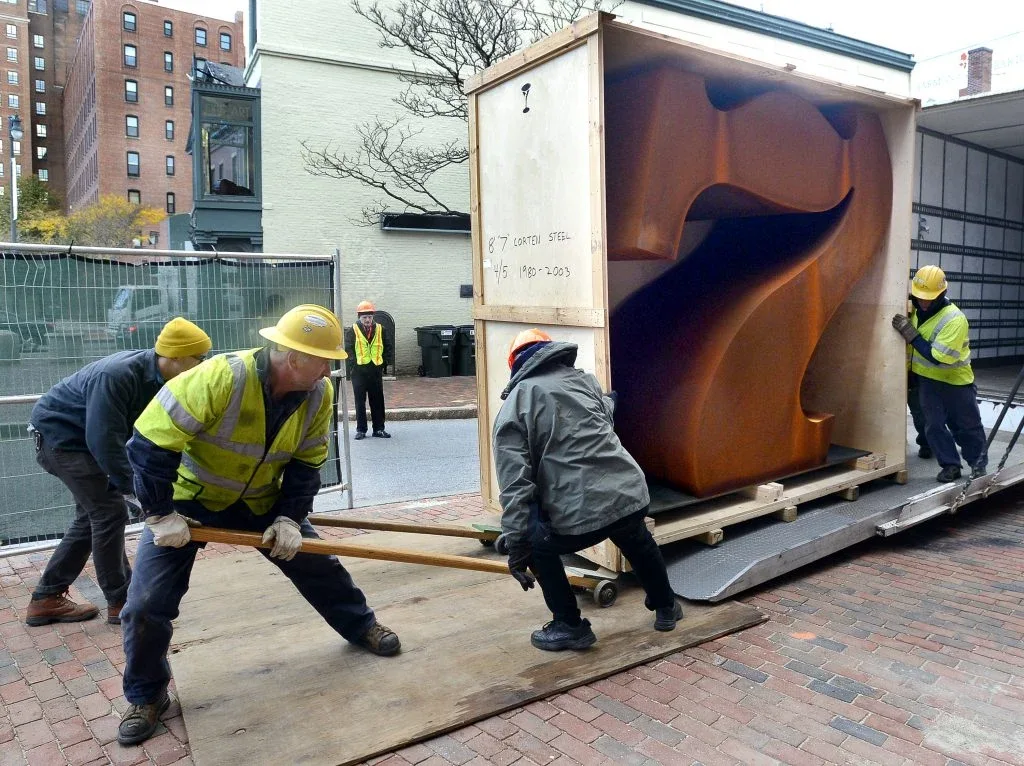
I am talking, of course, about the cost of shipping. This may seem like a geeky logistical matter, but shipping is the very backbone of the global industry, affecting how galleries, artists, collectors, fairs, auction houses, and museums operate. I’ll be exploring this in a series of forthcoming articles.
The cost of shipping surged during Covid—along with so much else—and never came down. Partially, it’s another story of inflation, the result of the rise in the cost of living, labor, and materials.
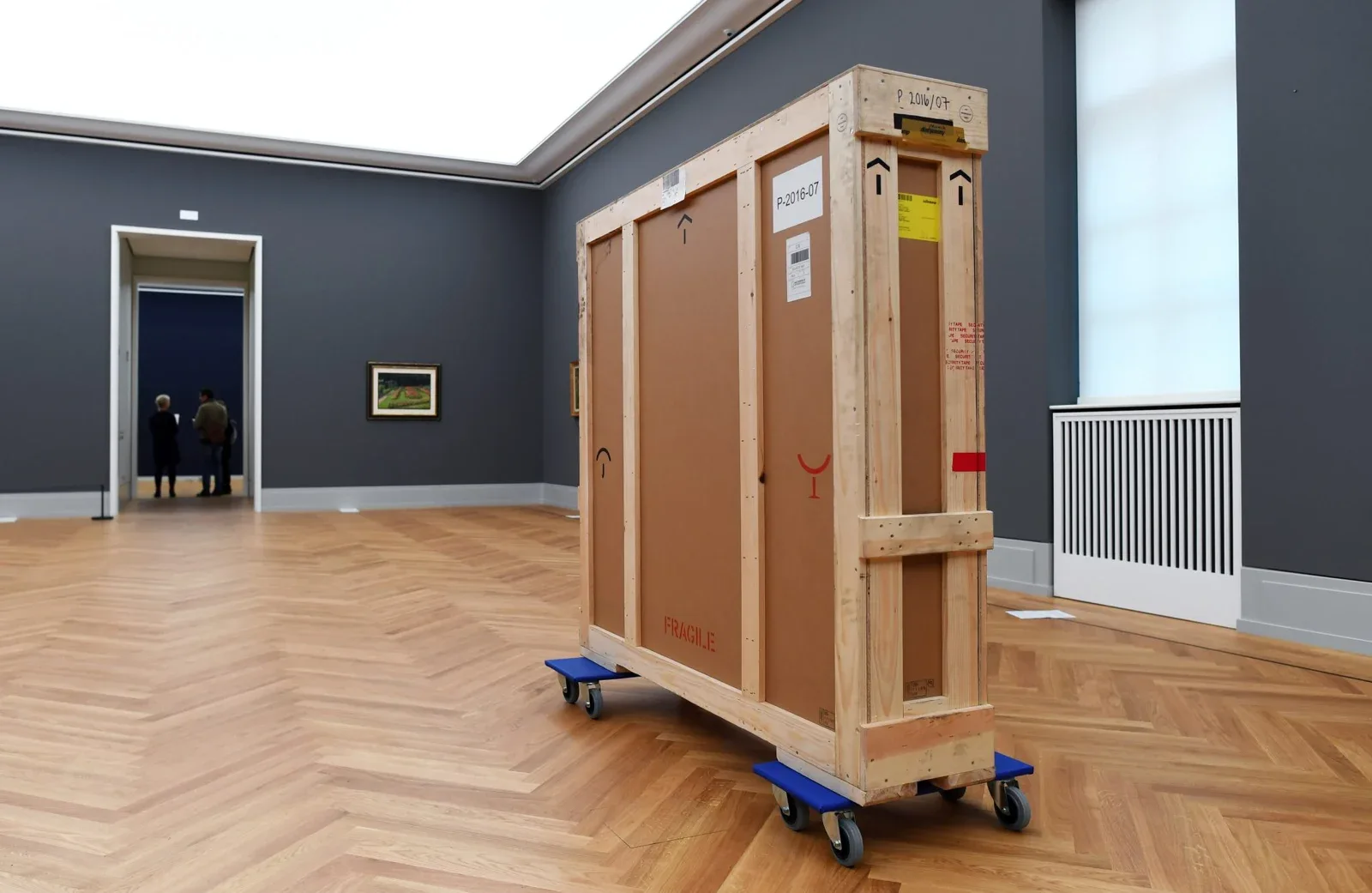
“The actual freight cost is a small part of the shipping costs,” Dietl said. “All the extra handling, crating, packing, local transportation. All those services haven’t come down. Maybe the cost of lumber has flattened a little bit, but labor hasn’t. Insurance costs haven’t. None of this has dialed back since Covid. Our health insurance costs are up 30 percent.”

Original reading · 02
But it was a problem long before the pandemic.
“For the past 30 years, we’ve had discussions with galleries at all levels about the cost of shipping to fairs and from fairs and about shipping in general,” Dietl told me this week. “It’s a constant conversation because it’s expensive.”
In flush times, people may not be as fixated on shipping costs. But at tougher moments, when everyone wants to reduce expenses, that changes. “Last year, those communications have had different urgency,” Dietl said.
It’s easy to understand why.
“It’s gotten very expensive and complicated,” Neumeister de Pury, who operates the advisory Contemporary-Culture, said.
Shipping is inextricably linked to taxes, customs, and tariffs, and plenty of industry veterans blamed Brexit, President Trump’s trade policies, and the New York State legislature.
In the olden days (as my 11-year-old calls the time before 2014), art buyers could collect their art purchases from galleries and auction houses, put them in one big shipment, and send it off. It was efficient in terms of both time and cost.
Not anymore. Some shippers in Europe refuse to send things to London, Neumeister de Pury said. And in New York, she recently passed on an artwork when a gallery insisted it had to ship the work to Europe itself or charge sales tax, citing New York State law (which once cost Larry Gagosian $4.28 million in back taxes).
Whereas she would previously present her clients with a single invoice, she now has to explain to them that they will get at least three bills—one for the purchase, another for shipping, and a third from the customs. It’s a confusing headache. “They are used to going to Chanel and paying one price,” she said.
The shipping bill alone can set one’s head spinning. Deciphering it feels like reading Talmud.
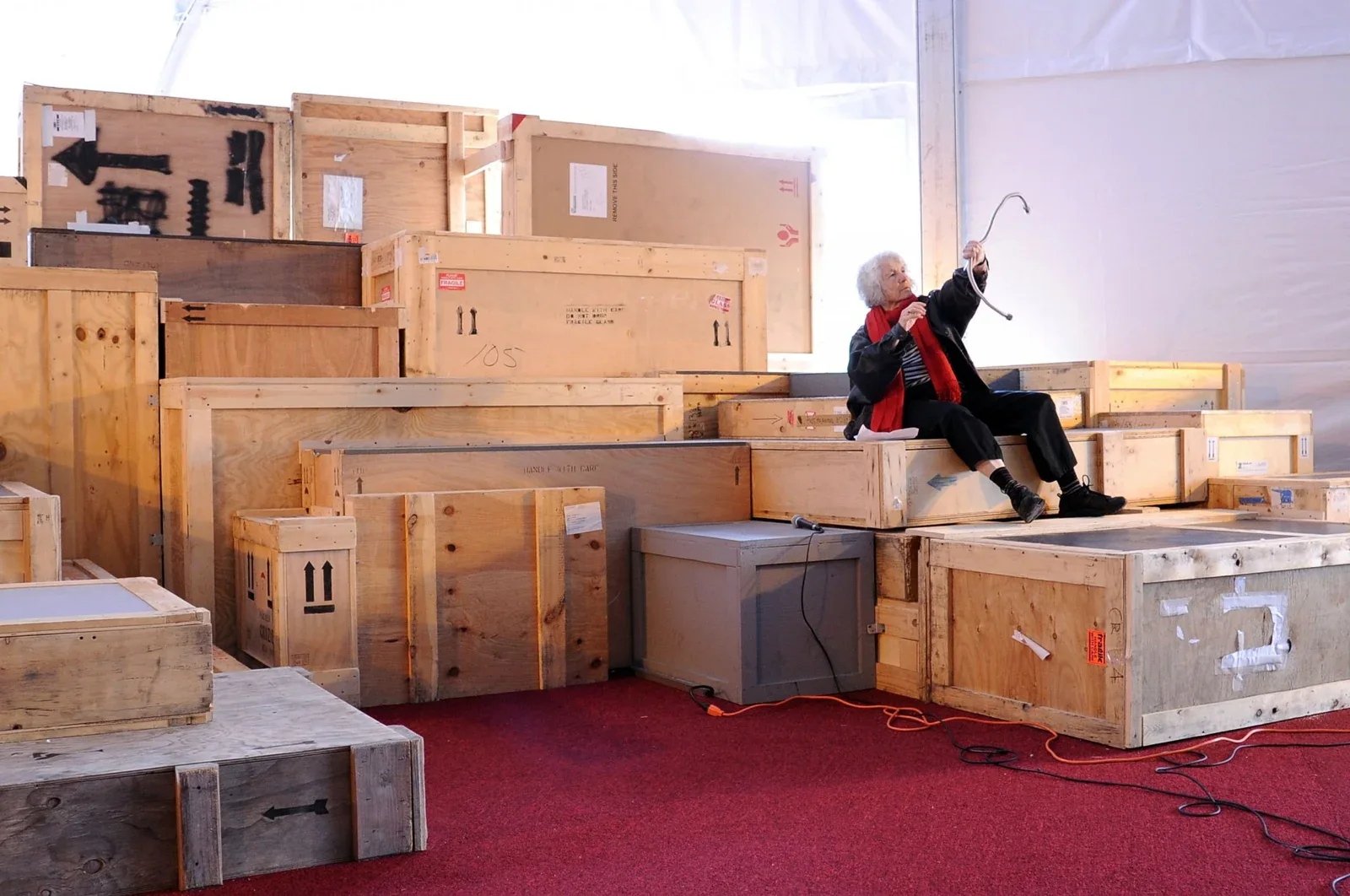
In addition to the actual freight costs there may be some combination of the following: crate fabrication and disposal; transport to and from the long-distance air or ocean freight; custom clearance on departure and arrival; and insurance, packing, and installation.
Original reading · 03
Consider this quote to transport a €92,000 ($107,000) painting from Berlin to London, which Neumeister de Pury shared with me:
– 1x Collection in Berlin: 135,- EUR – Fabrication 1x crate and packing: 850,- EUR – Warehouse handling: 45,- EUR – Export customs clearance + issuing t-form: 215,- EUR – Visual check + Transport insurance: 125,- EUR (Insurance value: 92.000,- EUR) – Transport ex Artseco to London SW1W 9EA, GB: 2.110,- EUR – Unpacking & Installation (Based on eye level installation): 895,- EUR – Empty crate disposal: 340,- – EUR Administrative fee: 30,- EUR – Wire fee: (if payment by non-EU client): 25,- EUR This part will be paid to our UK partner: – Import VAT in the UK (subject to ROI): 4200,- GBP – Duty advancement fee: 120,- GBP After converting currencies and totaling it up, that comes to more than $11,000.
Neumeister de Pury said she is particularly incensed by the crate disposal fee of €340 ($394) and its environmental impact. “How many trees are dying just because crates are being built and then thrown away again?” she said.
Others complain about administrative fees. At every step, “everyone takes a bite,” Servais said. And it all adds up. His transport bill was $75,000 in 2025, up from $65,000 the year before, he said.
In 2024, Servais said that he discovered a discrepancy of £418 ($559) when comparing a quote from Sotheby’s using Convelio, one of its approved transporters, and another directly from the transporter. (He was looking to ship three artworks for a total of £174,800, about $234,000 at today’s exchange rate.) After some back-and-forth, Sotheby’s confirmed that the added sum was an administrative fee, according to Servais’s collection manager.
Sotheby’s emphasized that using its services for transport was optional, Servais said. But while he would be saving on shipping by taking matters into his own hands, Servais would be hit with a much higher tax rate because the VAT is tied to the item’s “import status,” not the carrier used. Letting Sotheby’s handle everything would qualify the work as a “temporary import” with a 5 percent VAT rate. Acting solo would give the work a permanent import status with 20 percent tax in the U.K. (compared with a reduced VAT rate of 6 percent in Belgium)
A similar predicament exists in New York for those who reside elsewhere, since organizing your own shipment makes it eligible for state and city sales tax.
“What was previously the service is now a prison,” Servais said, alluding to the lack of alternatives.
If this seems like penny pinching on the part of presumably very wealthy art buyers, consider that steep shipping costs and bureaucratic quagmires can have a very real chilling effect on global acquisition, especially at lower price points.
“A lot of clients want to keep it under 10 percent of the value,” Scuderi said of shipping costs. “If artworks are under $10,000 or even a little higher, it doesn’t always make sense to ship them.”
Travis, a commercial real estate broker known for his role in creating the Tribeca gallery district, said he asks for shipping quotes before buying art outside of New York. “One time they told me $8,000 for a painting that cost $10,000 or $15,000, and I said no,” he said. “The shipping costs was well over 50 percent of the cost of the painting.”
Read the argument alongside market data
Source & reading notes
The Art Trade’s ‘Necessary Evil’ Keeps Getting More Expensive
Katya Kazakina · Artnet News · 2026-01-16
The English reading retains the supplied article’s wording, with navigation, advertising and recommendations removed. The Chinese edition is an editorial guide, not a parallel translation. Observations refer to the publication date. Art Value Lab commentary does not represent the author’s views. Image rights remain with their respective owners.