Frieze Abu Dhabi’s VIP Invites Just Went Out. Who’s Actually Going?
The Iran War and scheduling conflicts have dampened enthusiasm for international buyers.
Original author · Margaret Carrigan
Artnet News / Artnet Pro ·
Reading & commentary · Art Value Lab
Original reading · 01
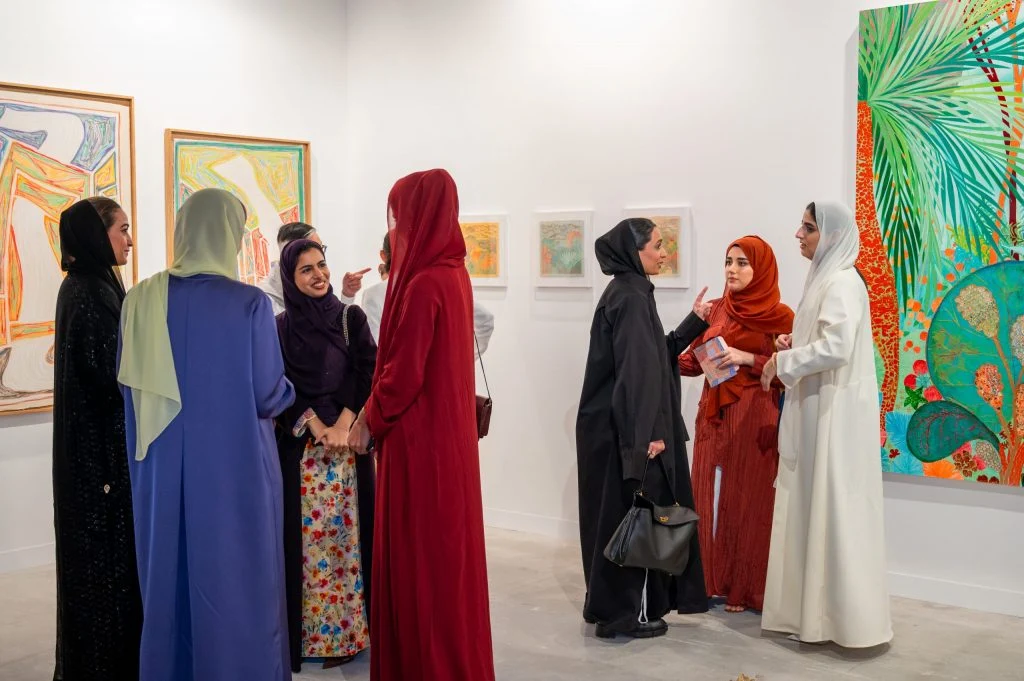
Frieze Abu Dhabi ’s VIP invites went out yesterday, and so the question is: Who’s going?
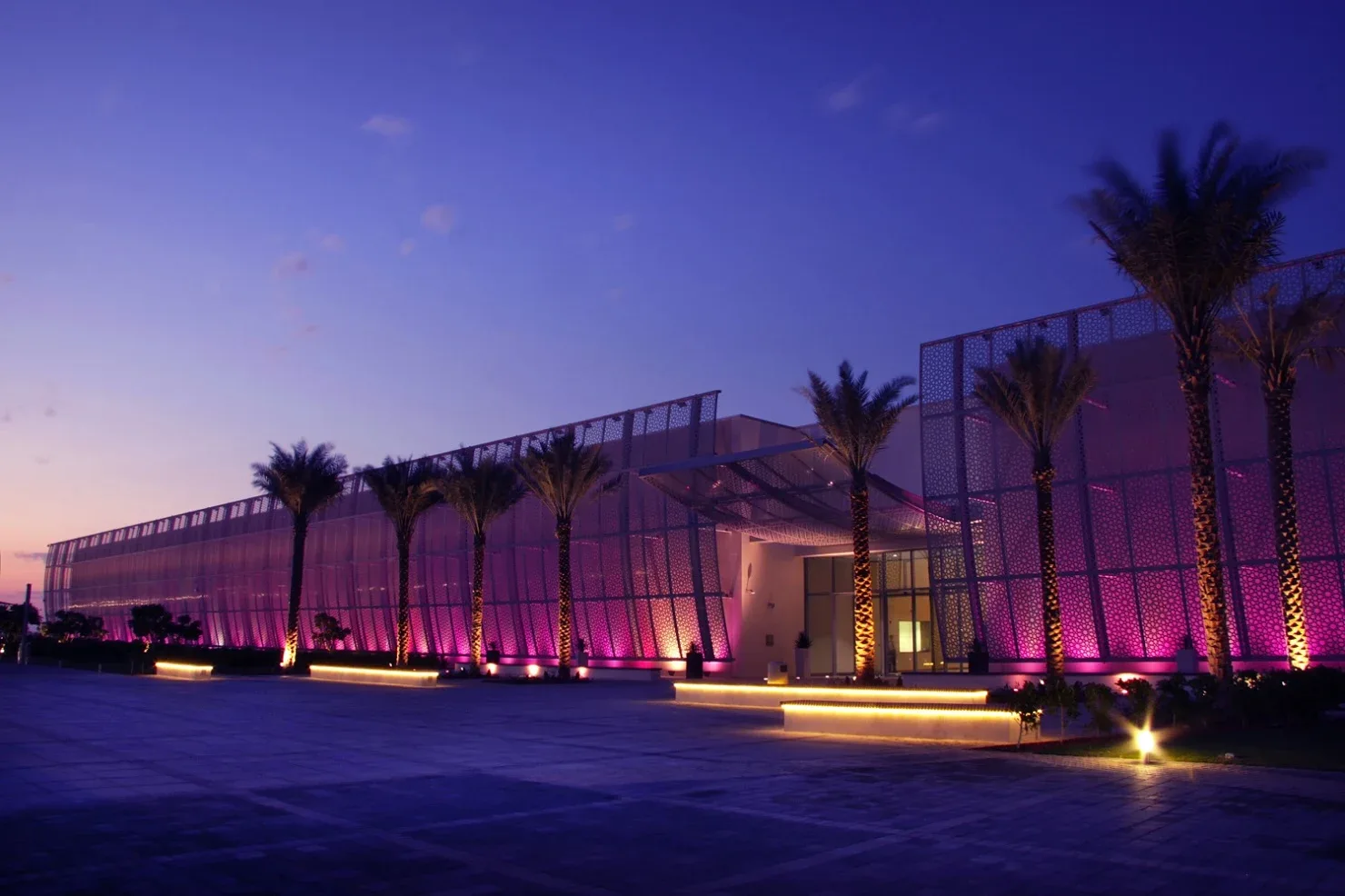
Enthusiasm for the inaugural event, running November 19–22 at Manarat Al Saadiyat , has been tempered by the ongoing Iran War. There are safety concerns, of course, but also logistical issues. Shipping costs have reached record highs, and major commercial airlines have extended service suspensions to some Gulf cities through October, or even longer .
Meanwhile, the UAE is trying to get itself removed from countries’ travel advisory lists; Dubai even offered $800 tourist “benefit packages” this summer to entice visitors and help fill hotels.
It looks like Frieze is also going to have to work to get people there.
Deal Sweetening
The fair group partnered with Abu Dhabi’s Department of Culture and Tourism (DCT) last year to supplant Abu Dhabi Art , the state- backed fair that launched in 2009, which had struggled to attract, or at least retain, a global audience. ( Gagosian, for one, was at the first Abu Dhabi Art, but had quit by 2014 .) Frieze’s brand recognition and international relationships could take that event to the next level. The debut edition has certainly attracted a more global lineup: Many major blue-chip dealers are among the 84 exhibitors, including Gagosian.
Landing these marquee dealers has likely involved some deal-sweetening from the DCT, which is backed by the emirate’s rulers, the Al Nahyan family. It’s certainly not unprecedented. Art Dubai introduced a risk-sharing booth-fee model for its scaled-back, delayed edition this spring, offsetting costs for exhibitors. It’s also widely acknowledged that the Qatari sovereigns, the Al Thani s, substantially underwrote the inaugural Art Basel Qatar in February. Galleries reported discounted booths, comped hotel accommodations, and numerous (quiet) royal purchases —and that was before the Iran War, though regional tensions were already escalating.
Rethinking Plans Getting galleries to participate is one thing. The harder and more crucial marker of success is getting buyers to attend.
A Frieze spokesperson said that, based on their conversations with galleries, collectors, and advisors, they are “confident” that the fair will draw a strong audience from across the region and beyond. “We are in regular contact with participants and invited guests as they make their plans for November and are responding directly to questions as they arise,” they said.

Original reading · 02
Several advisors from the U.S. and Europe I spoke to said that they are rethinking their plans.
London advisor Morgan Long, who was at Abu Dhabi Art last November, said she won’t be going this year, noting that the fair’s dates overlap with New York’s bellwether November auctions. (There was a similar date proximity between the two events last year, too.)
“Unfortunately, we have to make choices on locations,” she said in a text message. “For me at this point, New York wins out.” Some of her colleagues in the region will be on the ground at Frieze, she added.
Regional Business
Though international business with the UAE has dropped significantly since the war started, regional trade has ticked back up. “Yes, we certainly saw some slowdown in our activities, especially at the peak of political tensions,” said Amar Zahr of AAZ Art Advisory , which is based in New York, Berlin, and Dubai. “However, collectors in the region remain serious in growing their collections, so it wasn’t long until it picked up again.”
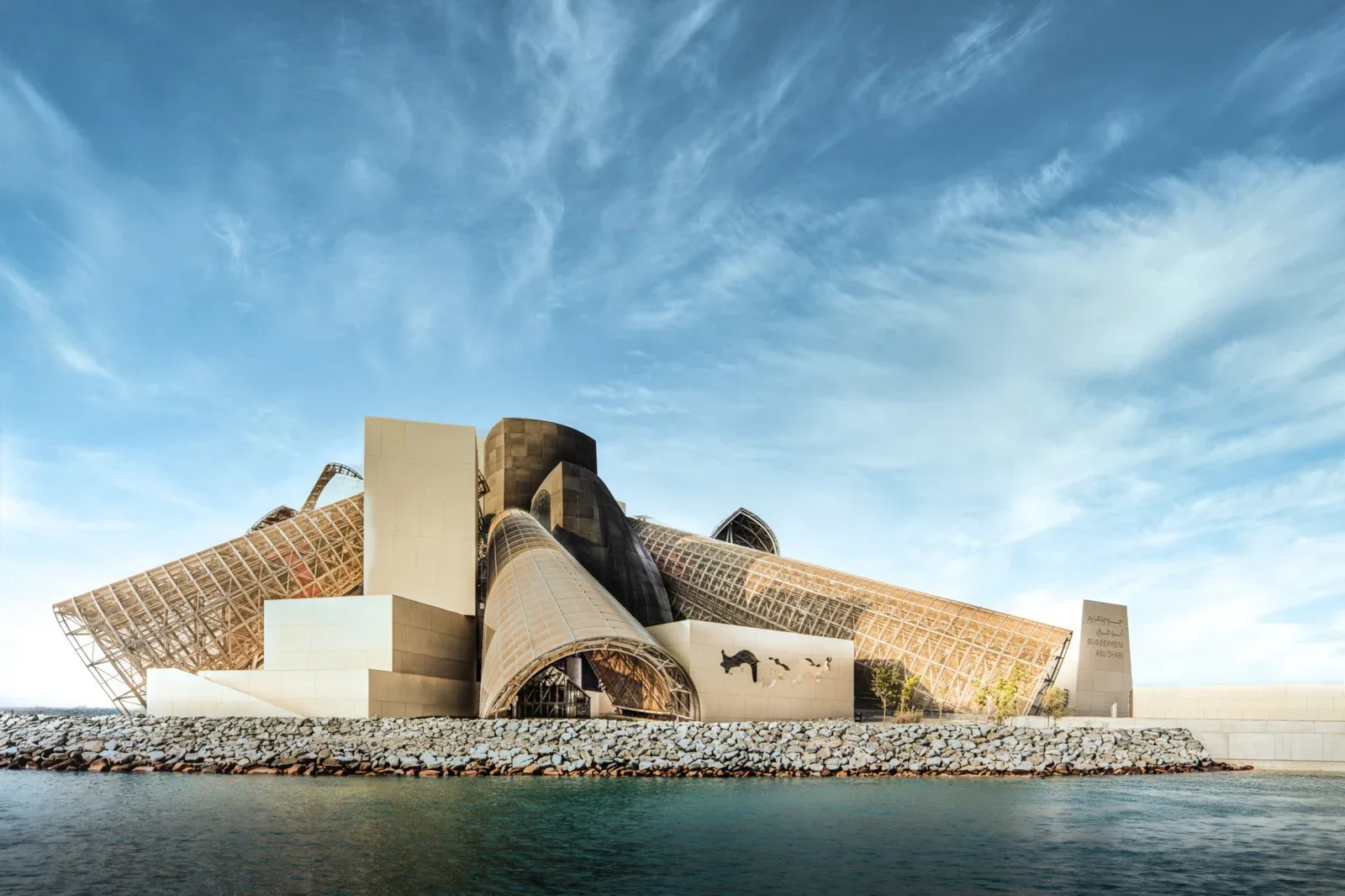
The conflict isn’t deterring Christie’s , which just said it will hold its first-ever modern and contemporary Middle Eastern art auction in Abu Dhabi on November 1. (The house’s Middle Eastern art sales grew 300 percent between 2020 and 2025, its EMEA president, Anthea Peers , told me last year.) Meanwhile, Sotheby’s Abu Dhabi Collector’s Week runs December 2-5, coinciding with the long-awaited opening of the Guggenheim Abu Dhabi , which could prove a bigger draw than Frieze this year.
The region’s art scene has grown over the past several years, especially thanks to massive state-sponsored infrastructure projects. The Guggenheim is just the capstone to the emirate’s sprawling Saadiyat Island cultural complex, which already boasts the Louvre Abu Dhabi, teamLab ’s Phenomena , and the recently opened Zayed National Museum . Then there are the countless institutions under development or just launching in Dubai and Doha, as well as slightly further afield in rapidly scaling Central Asian capitals like Almaty and Tashkent, which have close ties with Gulf cultural partners .
“The Gulf has built a substantial cultural ecosystem of its own,” Zahr said. “Its relevance can no longer be measured solely by how many collectors fly in from the U.S. or Europe.”
The inaugural Frieze Abu Dhabi is shaping up to be more of a regional affair than intended. The big question now is whether the Gulf’s big investment in art and culture will start paying off and if its growing market can hold its own.
Read the argument alongside market data
Source & reading notes
Frieze Abu Dhabi’s VIP Invites Just Went Out. Who’s Actually Going?
Margaret Carrigan · Artnet News · 2026-09-17
The English reading retains the supplied article’s wording, with navigation, advertising and recommendations removed. The Chinese edition is an editorial guide, not a parallel translation. Observations refer to the publication date. Art Value Lab commentary does not represent the author’s views. Image rights remain with their respective owners.