What Comes After Grow-or-Go? How Goodman Gallery Changed Course
Amid a tough market, the South African stalwart cut fairs, reduced its roster, and invested in new businesses.
Original author · Katya Kazakina
Artnet News / Artnet Pro ·
Reading & commentary · Art Value Lab
Original reading · 01
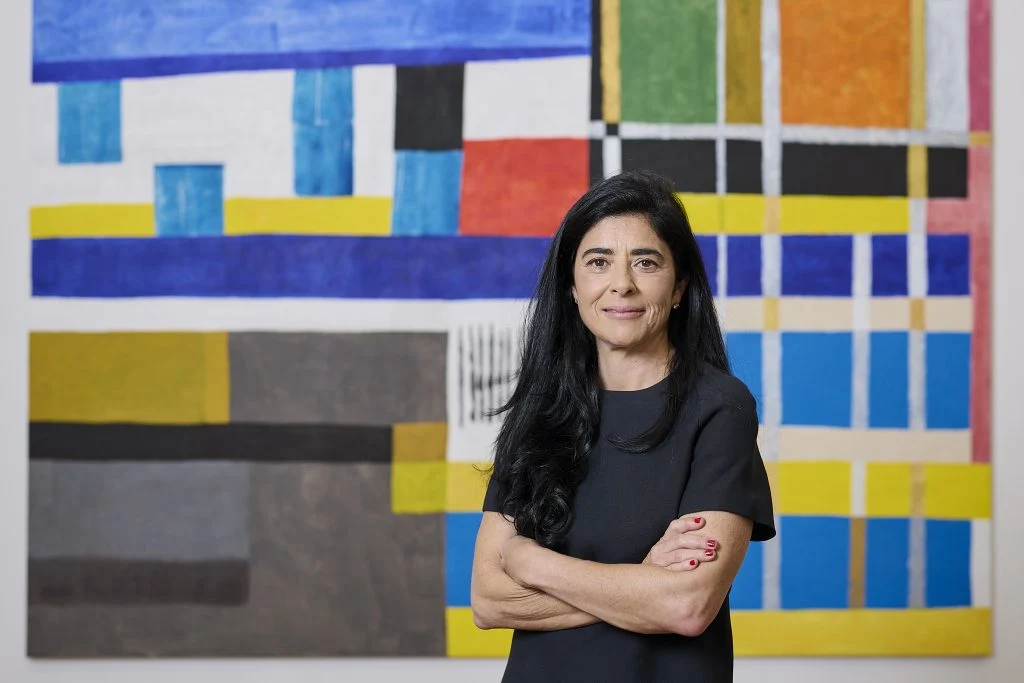
This time last year, Liza Essers looked at her gallery’s accounts and saw a troubling pattern. Revenue was rising, but the costs were rising faster, eating away at profits.
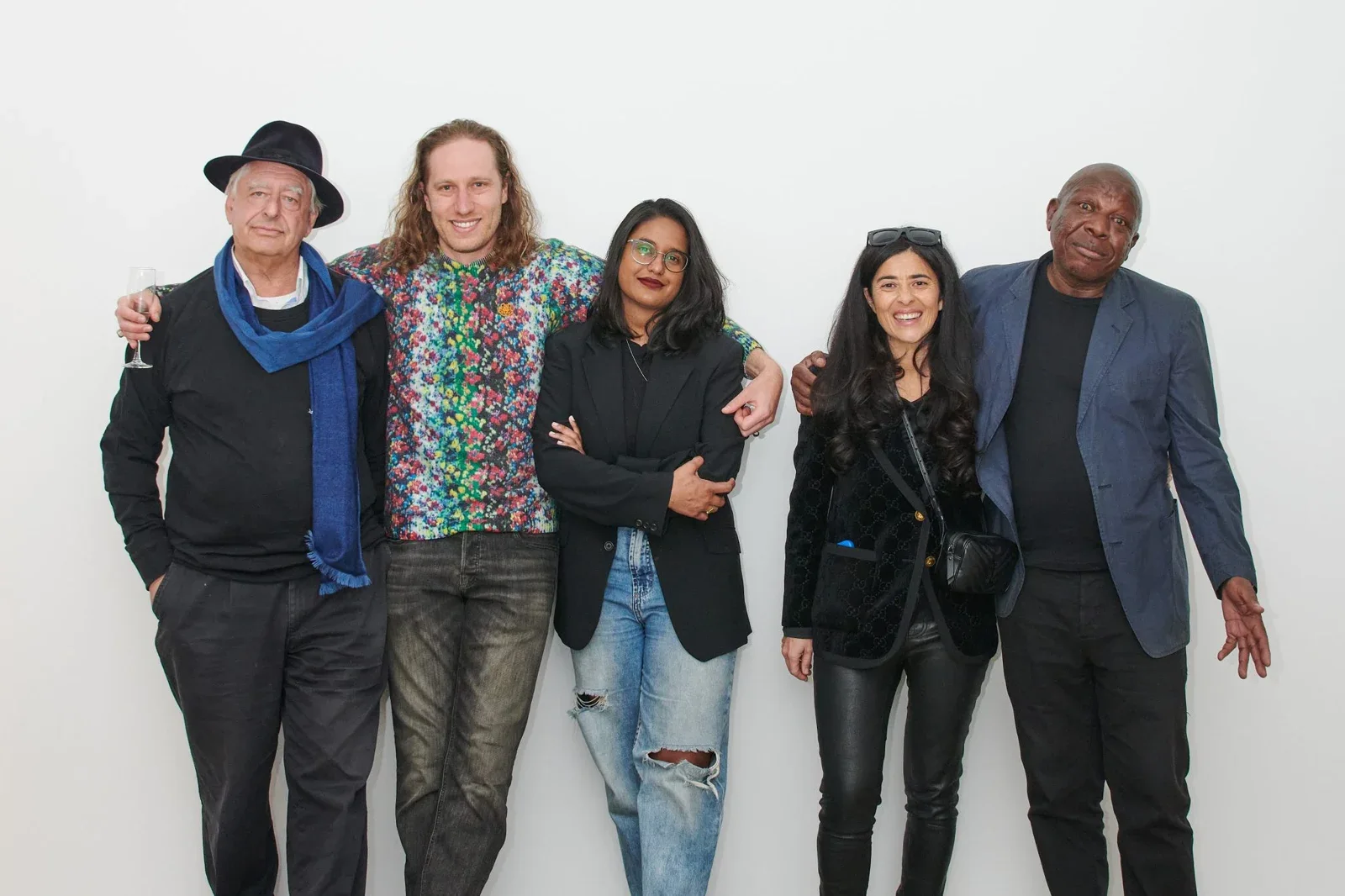
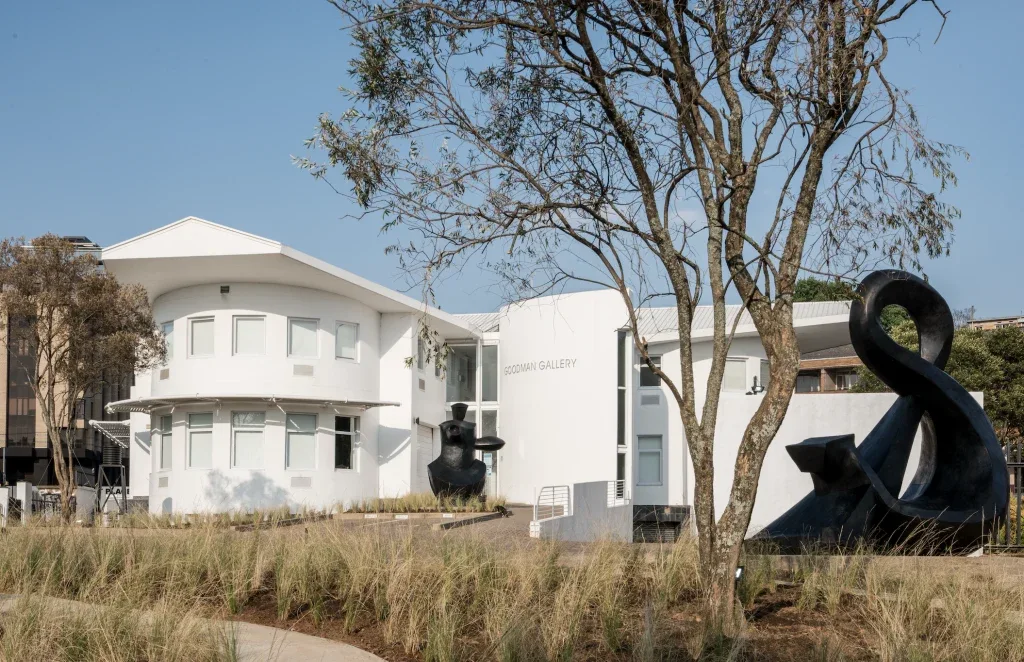
Founded in 1966 during apartheid in Johannesburg by dealer Linda Givon , Goodman Gallery has grown into one of Africa’s most influential contemporary art galleries, with spaces in Cape Town, London, and New York. Focused on the Global South, its roster includes El Anatsui , Shirin Neshat , William Kentridge , and Carrie Mae Weems —artists whose work is sought by collectors, featured in major biennials and museums, and traded for millions.
Amid a prolonged downturn in the art market, Essers realized that the 60-year-old gallery needed to pivot if it was going to survive for decades to come. She decided to do two things at once: cut costs aggressively and invest in building a more sustainable business model.
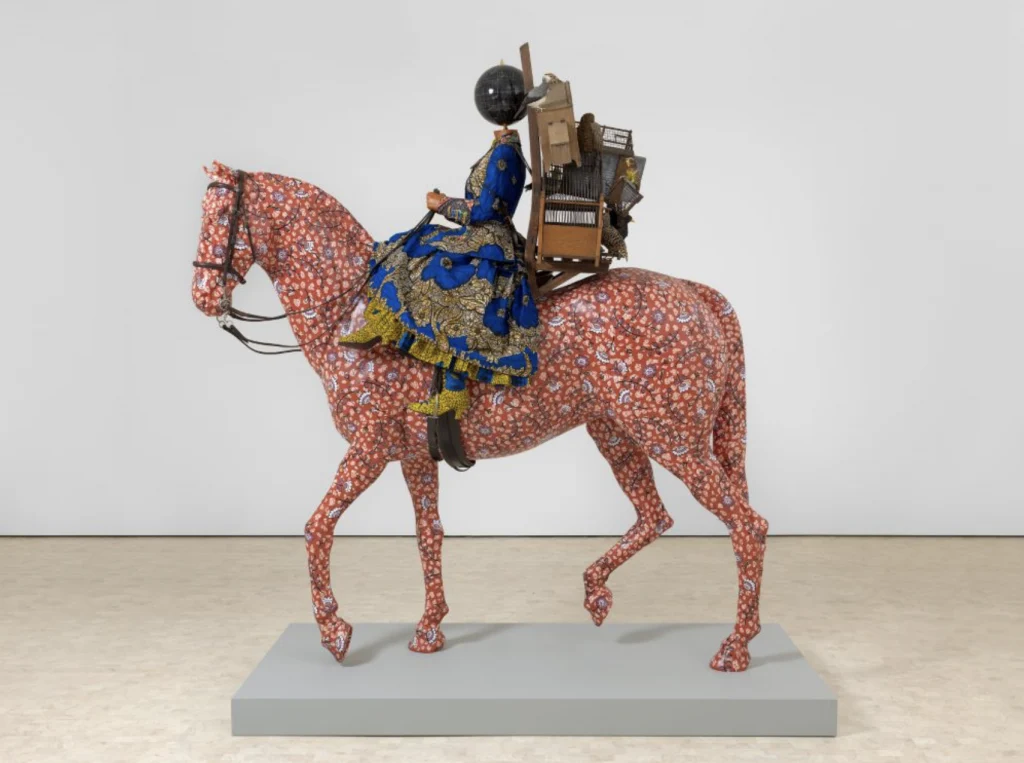
This week, Goodman Gallery is rolling out a new digital platform that’s part of a broader restructuring, just ahead of Art Basel , where the gallery will present a monumental wooden relief by Anatsui, a beaded textile piece by Kapwani Kiwanga , and a life-size fiberglass sculpture of a horse and a rider in Dutch wax cotton by Yinka Shonibare priced at £500,000 ($670,000).
“We needed to put the brakes on, regroup, take a breather,” said Essers, who has owned the gallery since 2008. “It’s about getting aligned with the market shifts.”
A Case Study Essers has guided Goodman through a global financial crisis, the pandemic, and now one of the most challenging periods for the gallery sector in decades.
By 2025, Goodman was not the only art firm facing serious business pressures. Dealers around the world were cutting costs, shrinking their footprints, and rethinking the grow-or-go model that had defined the previous decade.
Just last week, the mega-gallery Pace made steep cuts to its artist roster and staff, with real-estate reductions to come. Paris-based Templon shut down its Chelsea branch, with plans to open a more modest space in the future. In Brussels, Dépendance gallery announced its closure after 23 years.
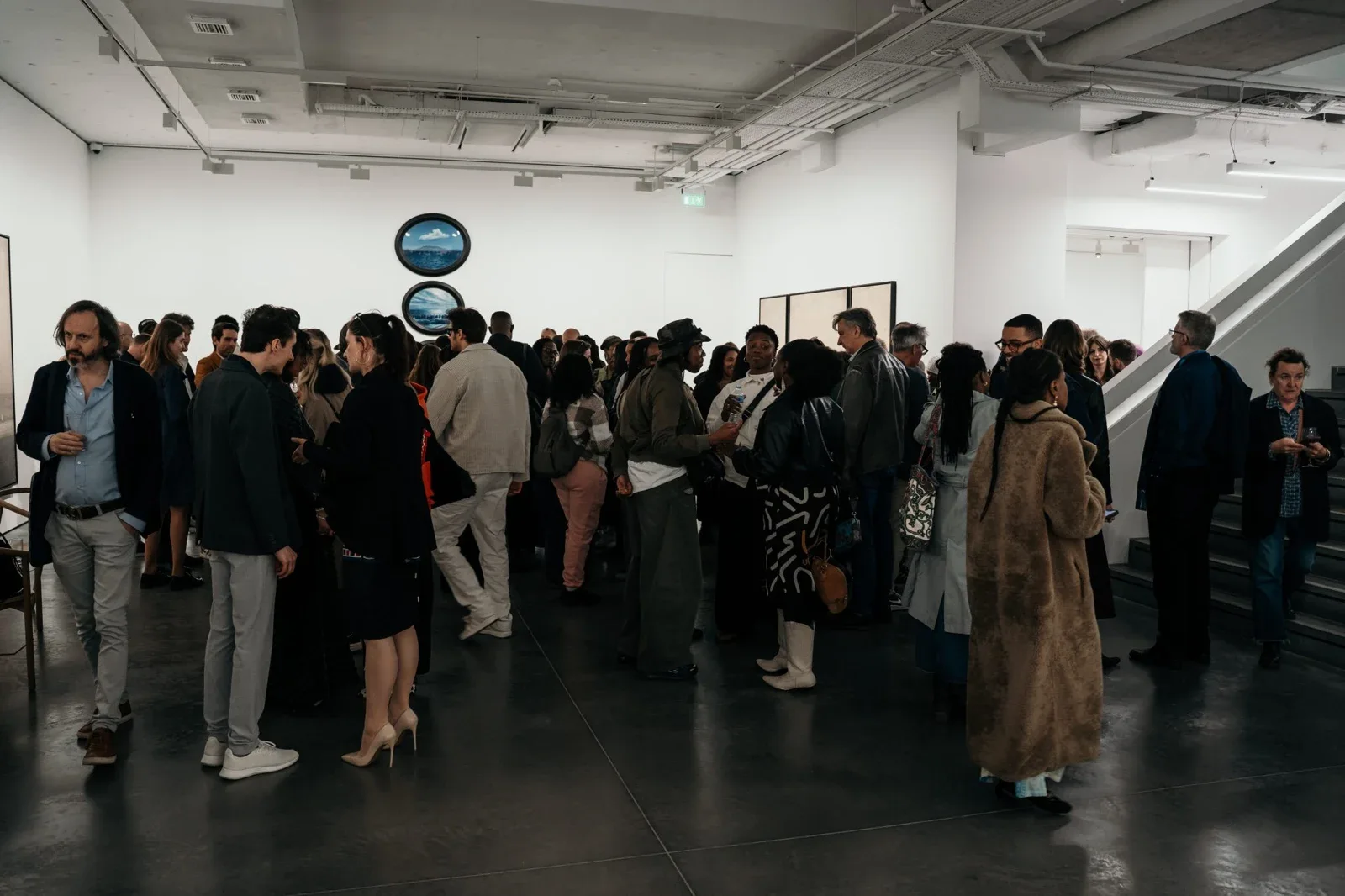
Goodman offers an unusually transparent case study because its U.K. filings reveal what many galleries privately experienced: collapsing profitability.
Original reading · 02
“It seems part of a wider reevaluation of the model,” said Natasha Degen , the director of Sotheby’s Institute of Art in New York. “Galleries both big and small were looking to mega-gallery as a model for success. But they are confronted by the reality that even if you have all the trappings of success, it doesn’t mean you are making money.”
Between 2023 and 2025, Goodman increased revenue by nearly £7 million, from £28.5 million to £35.3 million ($38.5 million to $47.7 million). It added a project space in New York to its two locations in South Africa and one in London. But in 2024, profits fell 58 percent, to £2.1 million, according to consolidated filings on Companies House in the U.K. Another brutal stretch began in the summer of 2025, Essers said.
“Art Basel last year was a disaster,” she said, of the Swiss fair on the Rhine. “Then we had six to eight months of a very difficult fair circuit. Frieze London, Singapore, Miami Basel, FOG—they weren’t good for us, so we cut them.”
Rethinking the Mega-Gallery Model Slower sales and surging expenses like shipping are making galleries consider once-unthinkable decisions.
“Instead of mindlessly signing up for art fairs, more galleries are starting to think critically if they should be doing this,” Degen said. “As it becomes a tougher business, you are looking at every expense with a critical eye. Can you have a smaller footprint? Maybe it’s okay not being at every fair.”
Goodman Gallery has participated in every Art Basel Miami Beach since the fair started, but for the first time, it’s not going in December. It also laid off staff and reduced its roster by nearly a third.
At the same time, Essers began looking for alternative revenue streams and investing in initiatives designed to make the business less dependent on primary-market sales and art fairs.
Now, the gallery is launching a digital platform that offers original content, integrated e-commerce, advisory services, and a secondary-market business.
“I’ve pivoted completely,” Essers said. “You have to be very entrepreneurial to survive.”
Beyond Primary Sales
Original reading · 03
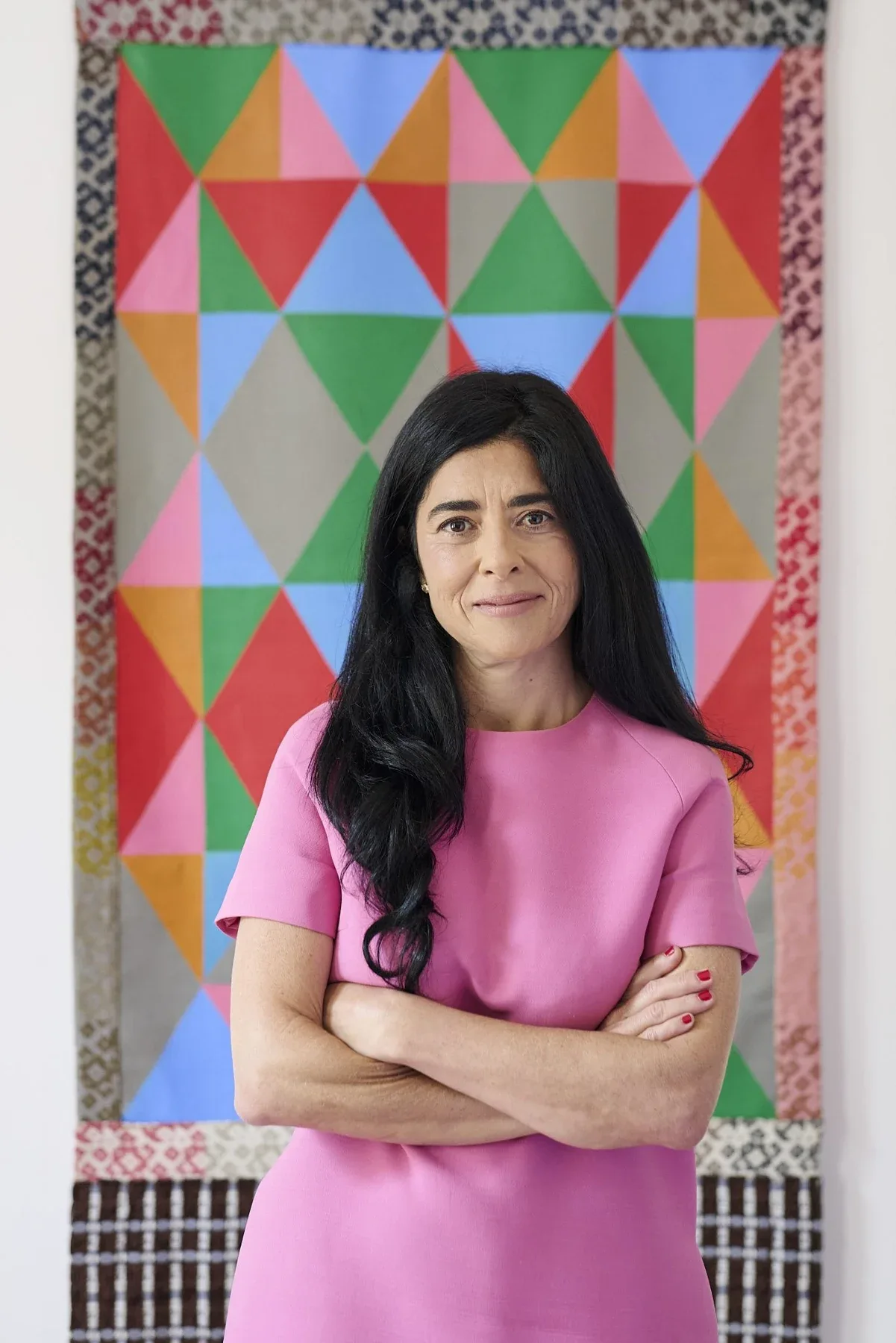
Seeing a pullback in primary sales, she focused on building up a secondary-market structure for “triple A” material in the gallery’s area of expertise, which Essers defines as “blue-chip Global South,” with works by Anatsui, Kentridge, and Irma Stern , as well as Western greats like Alexander Calder and Gerhard Richter , she said.
The gallery’s art advisory helps build corporate collections. Its first clients were Barloworld , a South African industrial company, and a wealth management company in New York. Another significant client just signed up in the U.S., Essers said, declining to provide details.
As these new business segments start playing a bigger part in Goodman’s bottom line, Essers is reshaping the physical spaces of her galleries in Cape Town and Johannesburg, reducing square footage for exhibitions to carve out private rooms for advisory and secondary sales, she said.
Another big challenge is the gallery’s location in South Africa, far from major market epicenters. The business was being strangled by shipping costs, travel expenses, and currency exchange, Essers said.
Digital Bet
Her solution was to create a robust e-commerce option for clients on her website, allowing them to transact remotely and pay in a variety of ways, from credit cards and bank transfers to Apple Pay and even Bitcoin .
Think of Net-a-Porter or Farfetch , two e-commerce companies focused on luxury and designer products, she said. Her checkout process calculates taxes and shipping fees based on the buyer’s location. Following purchase, collectors receive invoices, order confirmations, tracking information, and ongoing status updates for works in transit.
Would-be clients have to set up an account to take advantage of these offerings—and even to view prices or request discounts. Potential buyers need to provide information to clear “Know Your Client” (KYC) requirements. A WhatsApp integration connects users directly with sales and client services teams. In some cases, a discount code will be offered, which they can enter to reduce the total.
“You want to WhatsApp me? No problem,” Essers said.
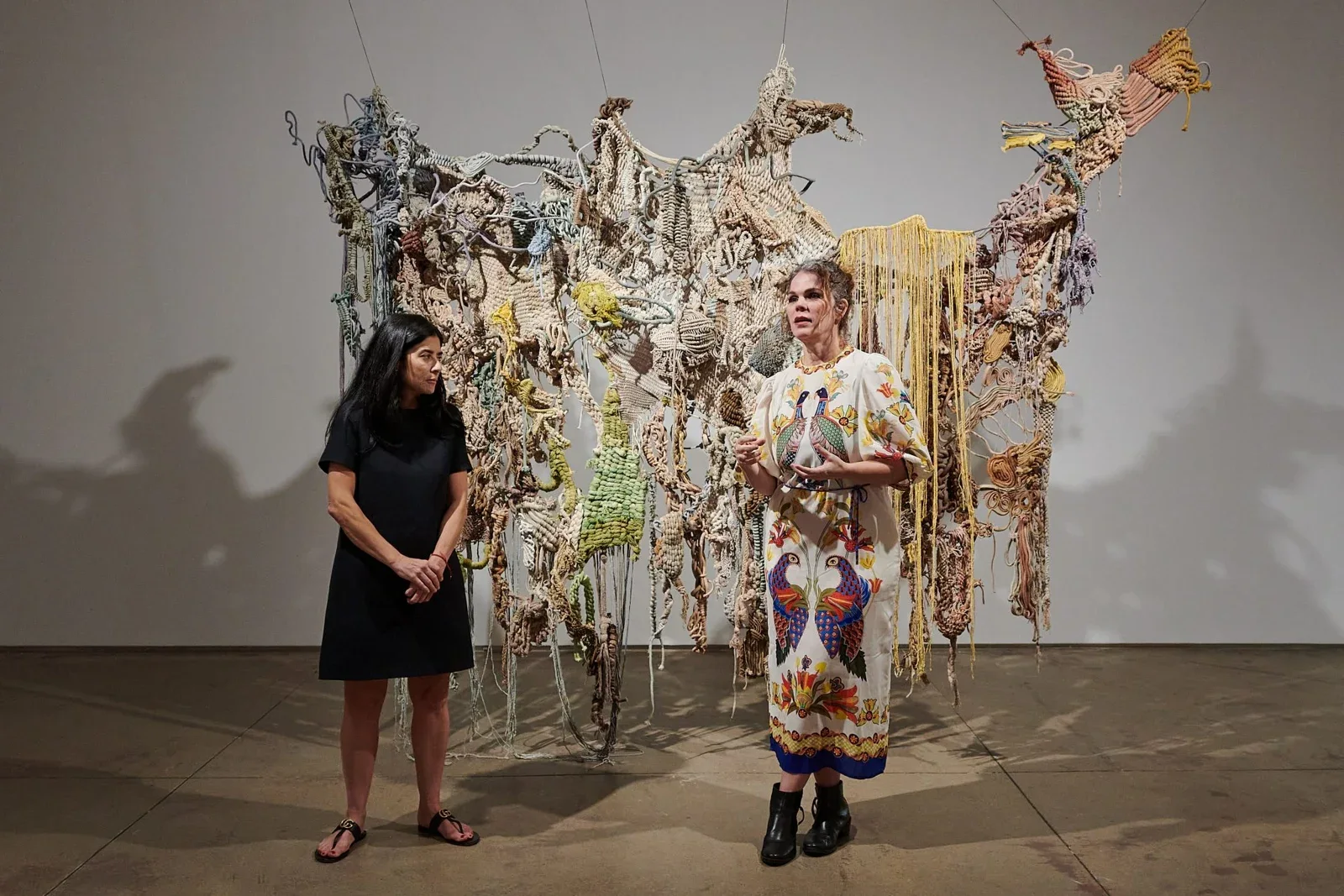
Essers said the platform is the first attempt by a major gallery to build a fully integrated e-commerce system that incorporates KYC protocols and imposes no price caps, allowing collectors to purchase expensive works online.
Original reading · 04
“That’s the innovation,” she said.
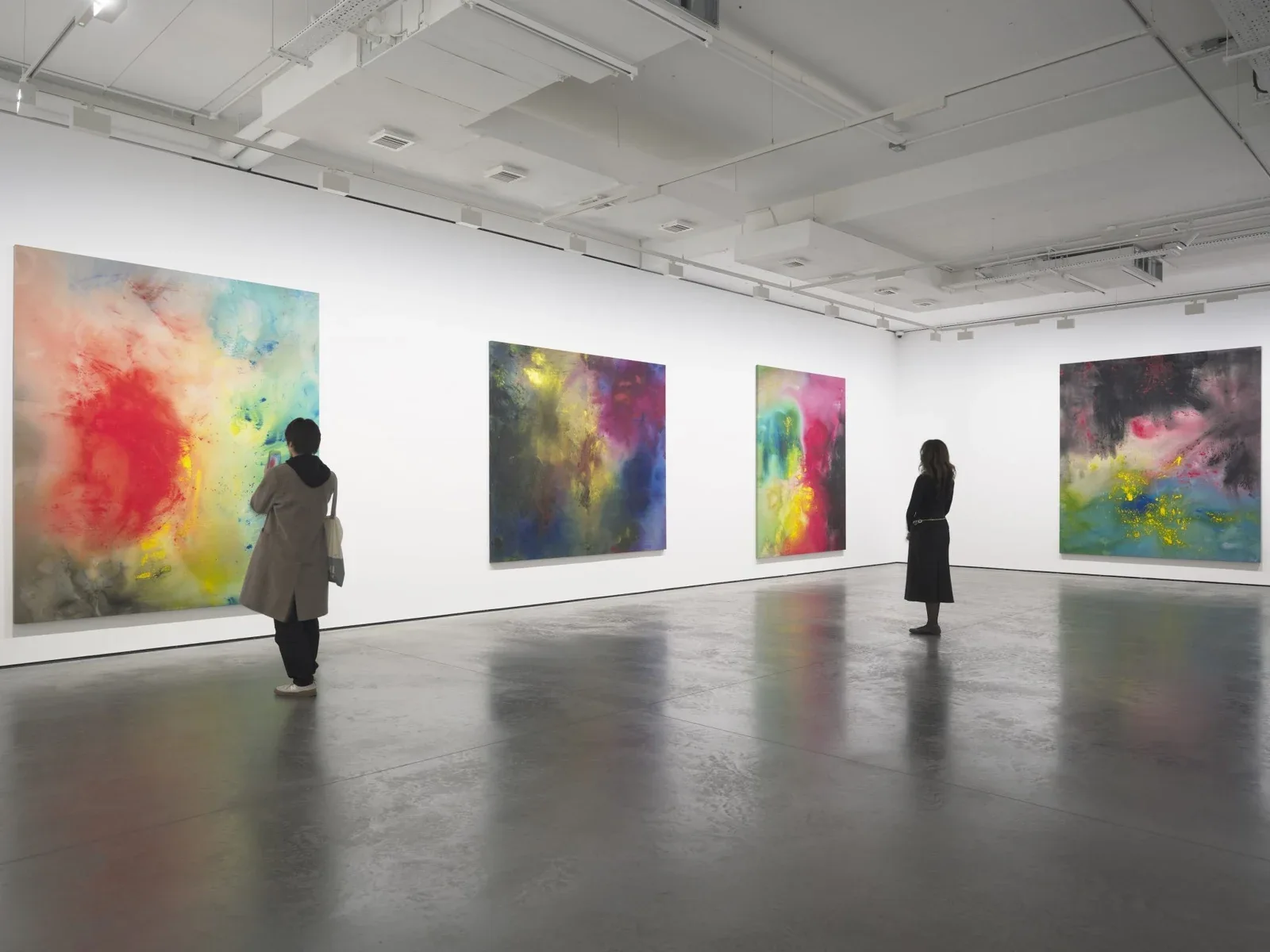
Conducting market research made her realize that collectors’ behaviors are changing. They are not going to as many art fairs. They don’t want to come to huge openings and impersonal parties. They want personal attention, focused presentations, and transactional ease, she said.
“In the old days, you have the opening, everyone comes, you sell out the show,” Essers said. “Now it’s about a bespoke lunch for three, four people. They don’t want to be with 400 other people. It’s about partnerships, collaborations, and engaging with people on a much more personal level again.”
To improve its engagement with clients, the new website has been designed specifically for mobile use, with tons of visual and educational material such as films about and by artists, according to Essers.
Her thinking is: If you are lying in bed, you are on your phone, scrolling through Instagram or reading the New York Times . You can also unwind by going to her website to watch a film by one of her artists or buy a few books or a print quickly as a gift.
“We are trying to make the website feel like the personal engagement,” Essers said. “If you are a VIP client, you can WhatsApp one of us directly. You can hear artists speaking about the work.”
The world is changing and galleries need to adapt.
“I used to go to the supermarket every week,” Essers said. “Now my groceries arrive at my door.”
For decades, galleries believed that expansion would pay off. They added spaces, artists, and art fairs. Essers believes that model has reached its limit.
“The big white cube wasn’t about personal engagement,” she said. “I don’t think the supermarket model for art works anymore.”
Read the argument alongside market data
Source & reading notes
What Comes After Grow-or-Go? How Goodman Gallery Changed Course
Katya Kazakina · Artnet News · 2026-06-12
The English reading retains the supplied article’s wording, with navigation, advertising and recommendations removed. The Chinese edition is an editorial guide, not a parallel translation. Observations refer to the publication date. Art Value Lab commentary does not represent the author’s views. Image rights remain with their respective owners.