Billionaire Ken Griffin’s Leonardo da Vinci Loan to the Met Signals Big Ambitions
The hedge fund titan also bought a record-setting Artemisia Gentileschi painting this year.
Original author · Katya Kazakina
Artnet News / Artnet Pro ·
Reading & commentary · Art Value Lab
Original reading · 01
For many years, hedge fund manager Ken Griffin was known as a collector of masterpieces by modern and postwar greats, paying the highest-known prices for paintings by Jackson Pollock , Willem de Kooning , and Jasper Johns .
However, the full scope of his collecting interests has recently begun to emerge. The billionaire has made several headline-grabbing public loans since the arrival of his collection’s new curator, art historian Megan Kincaid , in June 2025.
A 10-work Jean-Michel Basquiat exhibition at the Pérez Art Museum Miami disclosed the depth of his holdings of the artist, who died in 1988, at 27. Loans of rare historical documents revealed that he owns both surviving privately held copies of the first official printing of the U.S. Constitution.
Griffin paid record prices for many of those items, too. Remember the Goldman Constitution, purchased at Sotheby’s in 2021 for $43.2 million—a world auction record for a manuscript—after an intense bidding war with ConstitutionDAO ? Or “Apex,” a Stegosaurus skeleton approximately 150 million years old, bought at Sotheby’s in 2024 for $44.6 million, a fossil auction record at the time?
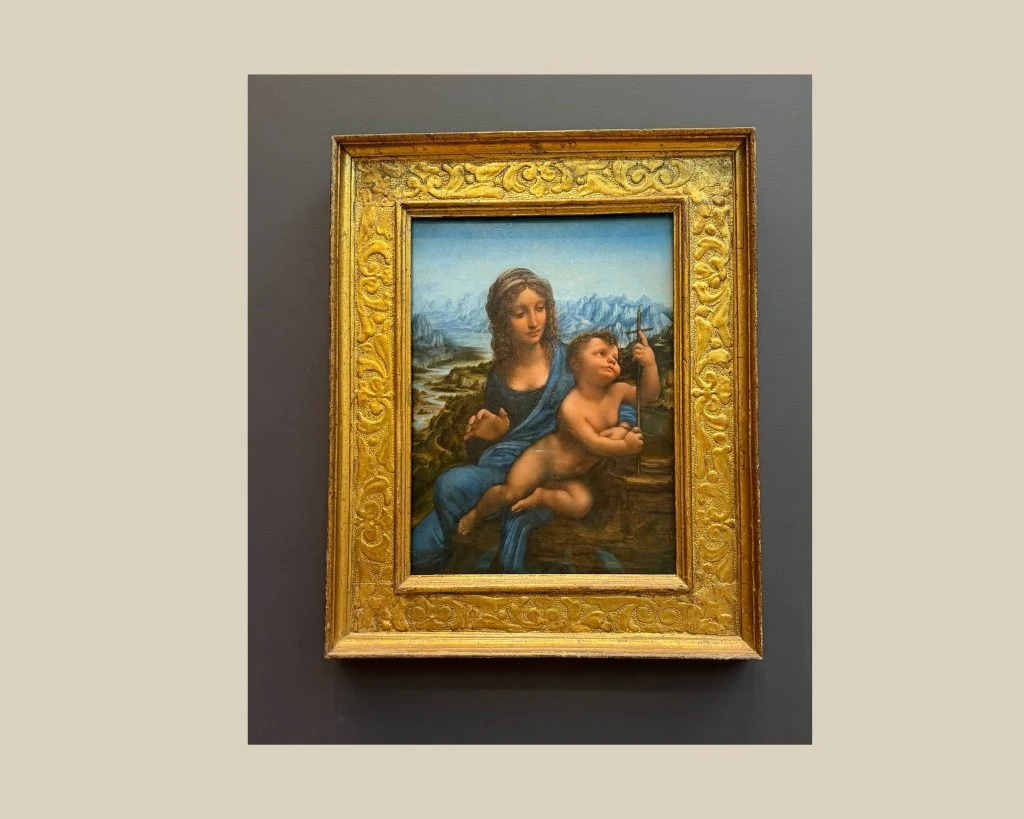
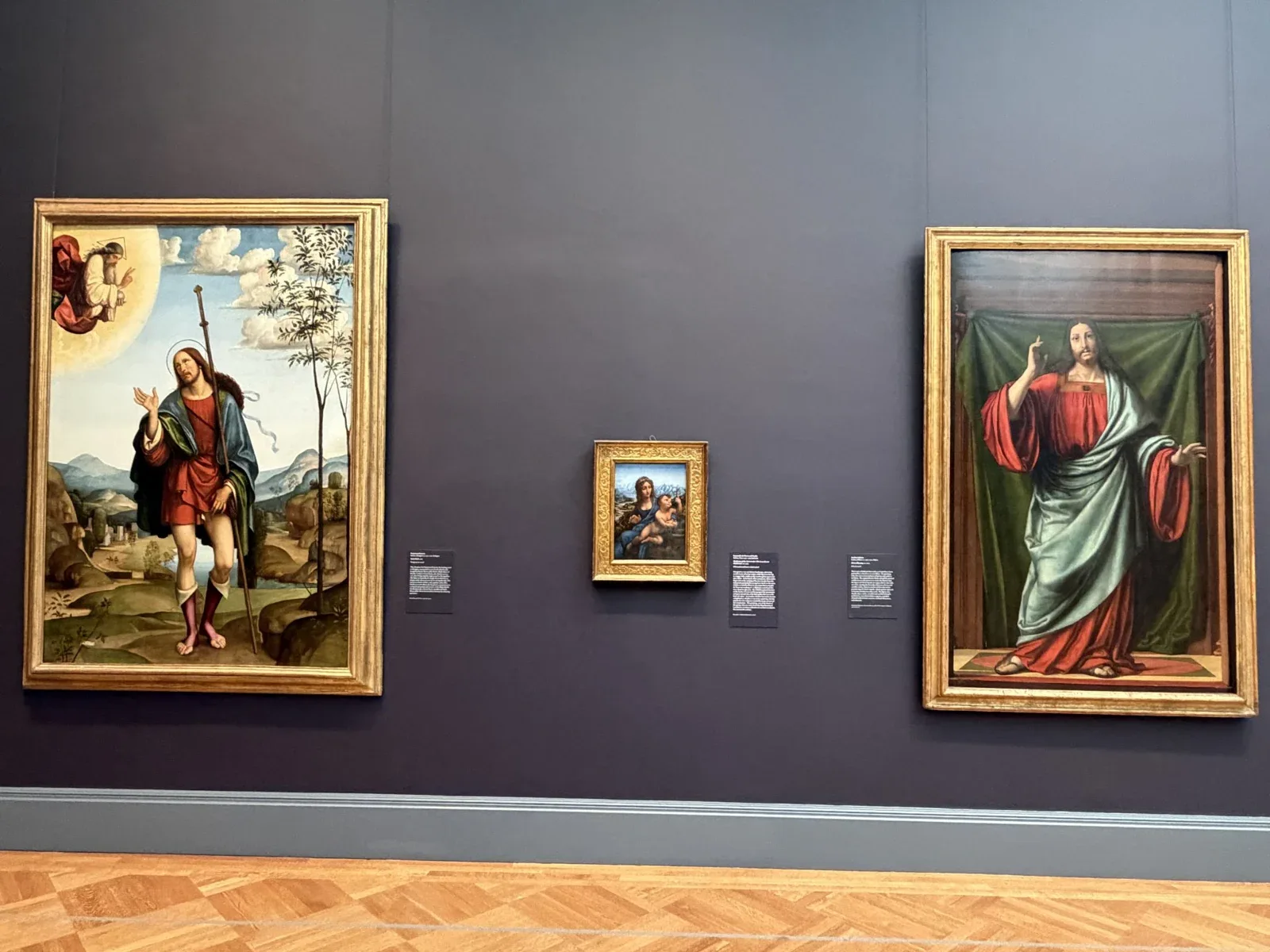
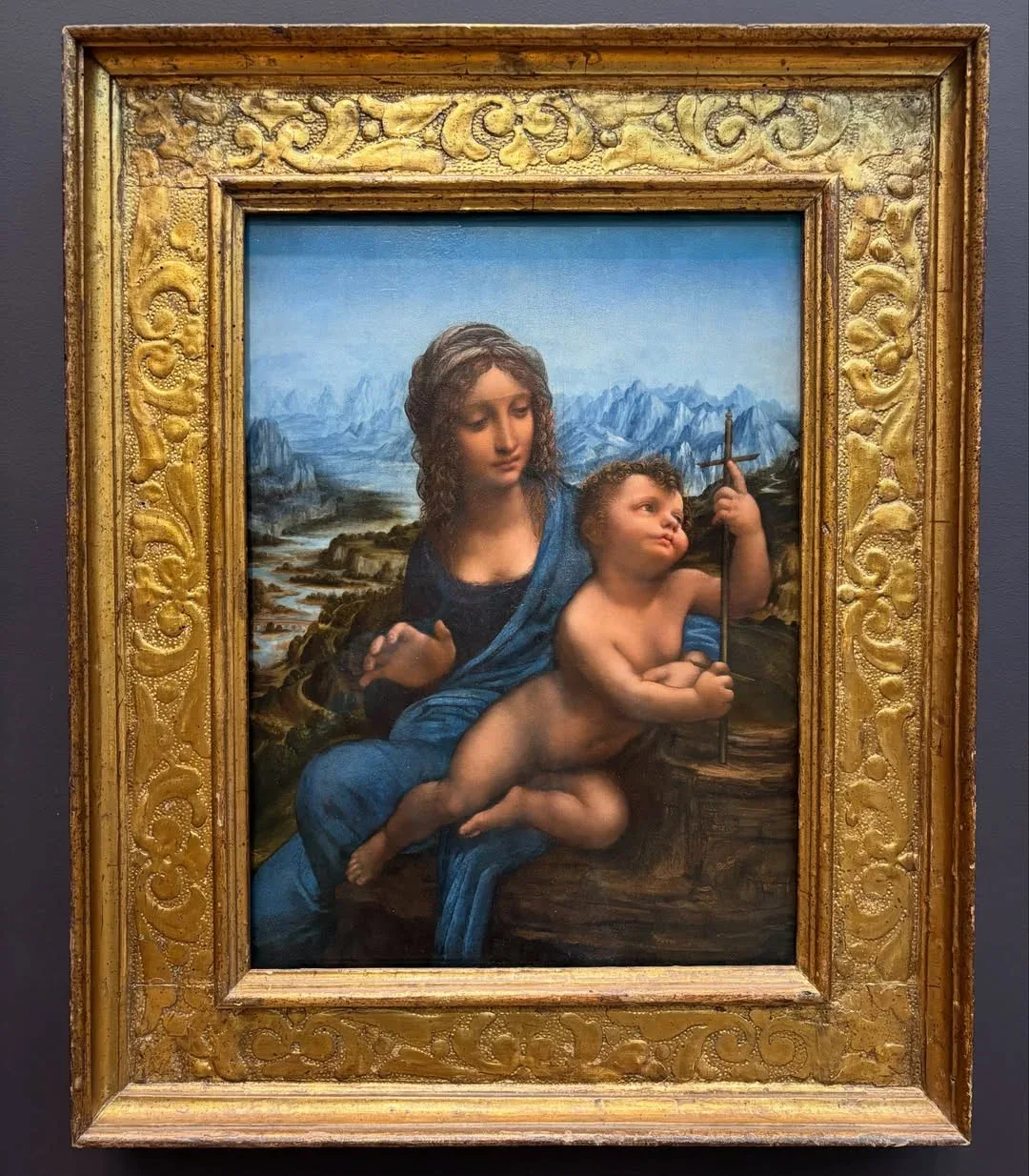
A few weeks ago, the art world learned that its biggest whale has been acquiring Old Masters, as well. A small painting by Leonardo da Vinci and his studio, Madonna of the Yarnwinder (The Lansdowne Madonna) , 1501, appeared one day this spring in Gallery 609 at the Metropolitan Museum of Art in New York. The wall text identifies the lender as the Kenneth C. Griffin Collection .
The loan doubles the number of Leonardo paintings on public view in the U.S. The only other one is Ginevra de’ Benci (1474–78) at the National Gallery of Art in Washington, D.C.
“Leonardo da Vinci is one of the defining artists and thinkers in human history, and the Madonna of the Yarnwinder is an astonishing treasure that continues to inspire both creative imagination and scholarship,” Griffin said in a rare statement, provided by a spokesperson today. “I am excited that the Met’s global audience can experience its artistic beauty and genius firsthand.”
The Lansdowne Madonna is not the only significant Old Master that Griffin owns. But before I tell you that story, allow me to backtrack.
I originally heard about the Leonardo at the Met from an Instagram post on August 1 by the private dealer Evan Beard , who spotted it while strolling through the Met’s European Paintings galleries. The room was empty, he wrote. “No influencers. No gawkers. No clout seekers. Just Leonardo radiating blue.”
I gasped.
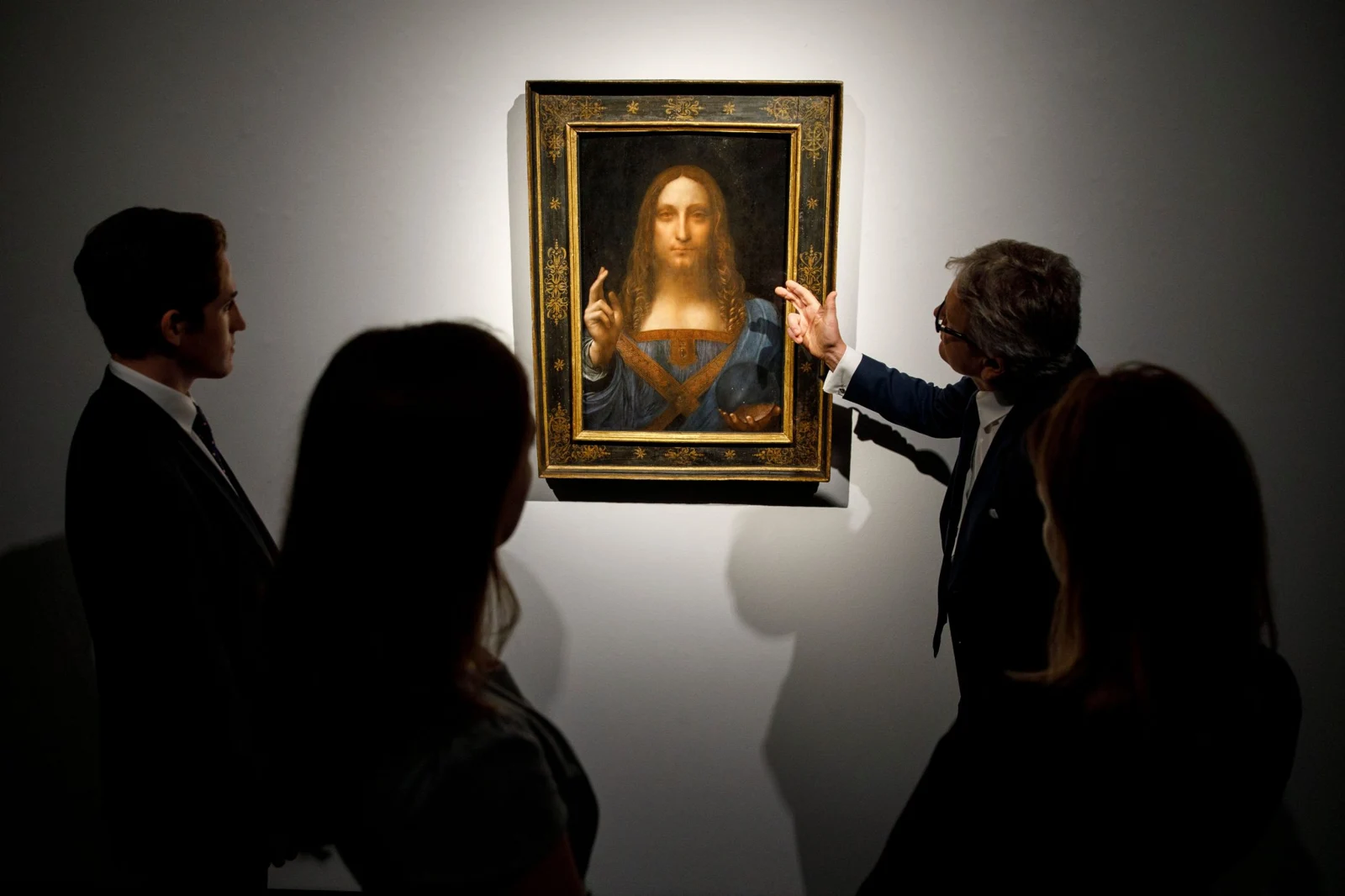
I wrote about the painting for Bloomberg in 2017, soon after Leonardo’s Salvator Mundi (ca. 1500) went for $450 million at Christie’s , and I investigated whether it was indeed the “last da Vinci” in private hands, as the auction house had trumpeted.
Original reading · 02
That’s when I discovered that two more pieces could qualify as privately held Leonardos.
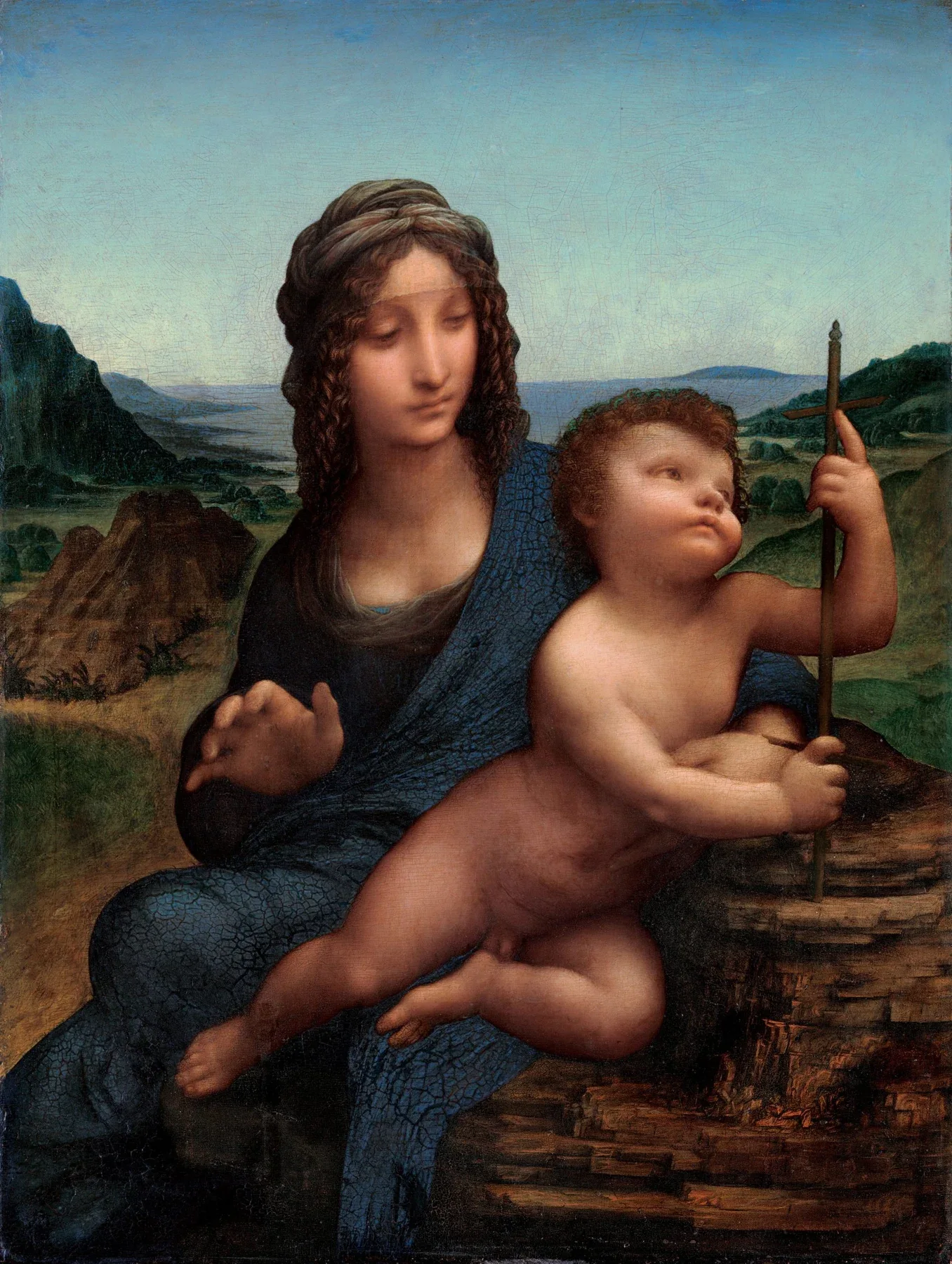
Both were devotional paintings of the same image: the Virgin Mary with the Christ child in her lap. The baby holds a cross-shaped stick used to wind yarn. Hence the title: The Madonna of the Yarnwinder .
Martin Kemp , the Leonardo scholar, told me at the time that he knew the owners of both works.
One, known as the Buccleuch Madonna , had been on view at the National Galleries of Scotland in Edinburgh since 2009, lent by the Duke of Buccleuch , whose family has owned it for more than 250 years.
The Lansdowne Madonna was named after the English nobles who owned it in the 18th and 19th centuries. In 1999, New York’s Wildenstein & Co. sold it to a private collector, with whom it would remain for more than two decades.
The main difference between the versions is the background: The Buccleuch Madonna depicts a seascape with an island; the Lansdowne, a misty Alpine range. The two paintings hung side by side in the monumental exhibition at the Louvre in 2019, staged to commemorate the 500th anniversary of the artist’s death in France at the age of 67.
And now the Lansdowne Madonna is at the Met. But how did it get there? When did it sell? And for how much? I started digging.
The fine print on the Met’s website states that Griffin acquired the painting in a private transaction through Christie’s in 2024 (the same year he purchased the Stegosaurus). A spokesperson for the auction house declined to comment on anything related to the transaction.
But I can reveal that the deal was brokered by Alex Rotter , Christie’s global president, who famously placed the winning bid for the Salvator Mundi .
The price remains a mystery. A spokesperson for Griffin declined to comment on that.
Back in 2017, Old Master dealer Otto Naumann estimated that either one of the Madonnas could sell for $200 million. Another expert, Nanne Dekking , told me this week that it may be worth as much as $250 million.
While Dekking was never involved in any transactions related to the Lansdowne Madonna, its previous owner hired him to supervise a research and restoration project of the painting from 2002 to 2006 at the Opificio delle Pietre Dure in Florence, the Italian state’s renowned conservation institute for Old Masters.
Original reading · 03
The owner wanted to check out something mentioned in a historic document: that there had been a painting in Leonardo’s studio that sounded just like his Yarnwinder , except for one detail: a basket of spindles at the Christ child’s feet that was missing from the composition. The research involved a series of CAT scans and X-rays, financially supported by Siemens , then known as the maker of the best CAT scanners in the world, according to Dekking.
“We did find the basket,” Dekking said today. It appeared underneath three layers of sfumato. “It was really detective work.”
The extent of Griffin’s interest in Old Masters has not been previously understood. He viewed Salvator Mundi and bid on it, market sources have told me. But he didn’t win it.
“Leonardo is a magical name, and Ken Griffin is a collector of great names,” said Robert Simon , an Old Masters dealer who helped rediscover the Salvator Mundi .
Another name in Griffin’s collection is Artemisia Gentileschi.
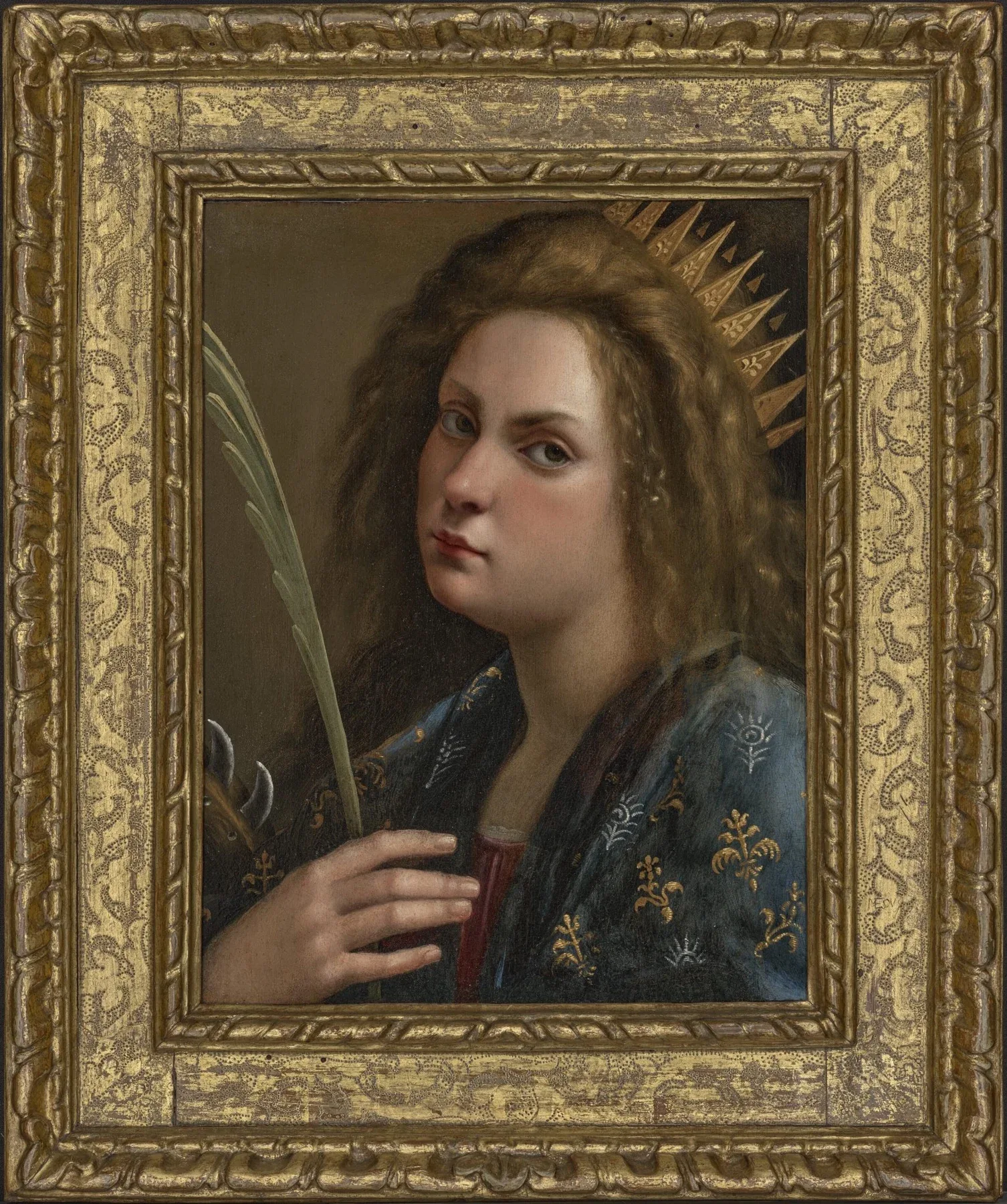
I can reveal that he was the anonymous buyer of Gentileschi ‘s record-setting oil-on-panel, Self-Portrait as Saint Catherine of Alexandria (1613), which fetched a record $5.7 million at Christie’s in February.
Griffin will lend the painting to “Artemisia Gentileschi: The Triumph of Painting” at the Nivaagaard Collection in Nivå, Denmark, just outside Copenhagen, in 2028, his spokesperson confirmed today.
The Leonardo will remain at the Met through 2028, according to the spokesperson.
To Beard, the dealer who spotted the Leonardo at the Met, these developments make sense considering that Griffin’s company, Citadel , is “growing like a rocket ship.”
Griffin is channeling some of his wealth into “great works of art—civilizational works of art—and then lending them back to public institutions that will care for them, keep them in the right environment, build the provenance, and allow people to evaluate and enjoy them,” he said.
Visiting Gallery 609 on Monday, I only had to share the work—in all its lapis lazuli glory—with my husband. I hope that many more people will visit.
Read the argument alongside market data
Source & reading notes
Billionaire Ken Griffin’s Leonardo da Vinci Loan to the Met Signals Big Ambitions
Katya Kazakina · Artnet News · 2026-08-28
The English reading retains the supplied article’s wording, with navigation, advertising and recommendations removed. The Chinese edition is an editorial guide, not a parallel translation. Observations refer to the publication date. Art Value Lab commentary does not represent the author’s views. Image rights remain with their respective owners.