Less Is More? Inside the Art World’s New Season of Recalibration
Dealers are cutting costs, and collectors are seeking bargains. Welcome to the new normal.
Original author · Katya Kazakina
Artnet News / Artnet Pro ·
Reading & commentary · Art Value Lab
Original reading · 01
The art world is entering the new season leaner and more clearheaded. Fat has been cut, and belts are being tightened.
Ozempic is the drug of choice these days, not cocaine.
On the verge of this week’s openings, I called entrepreneur Tracey Ryans , who always seems to be at the coolest events, to compare notes.
“I don’t drink anymore,” Ryans said. “I don’t eat animals. I don’t really eat sugar or salt.” So, the parties and the dinners aren’t as fun as they used to be. “I go and shake hands and then parachute out of it.”
Ryans is not alone. There’s a vibe shift in the air. No one repeats the long-held mantra “grow or go” anymore. Less is more these days.
Business conditions have been brutal for years now—and, according to one insider, “There’s no end in sight.”
Galleries big and small have been cutting ( staff-2778584) fairs, locations , staff , and artists. Collectors are narrowing their focus and scrutinizing prices. As hundreds of gallery openings, scores of international art fairs, and around-the-clock auctions all compete for the attention—and wallets—of elite buyers, everyone is recalibrating.
To be sure, people feel optimistic, and money has not disappeared, not with tech IPOs minting millionaires, dealers and advisors say. But it’s not flowing into the primary art market as it once did. And so galleries are adjusting to a new dynamic that involves a generational changing of the guard among collectors and artists, rising costs ( investigation-2737673) and economic uncertainty, glaring discrepancies between primary and secondary market prices , and growing competition from collecting categories like fossils, cars, and sports cards ( 1986946).
‘Safe Things’
“People are still putting money into tangible assets, but they are being more selective,” Las Vegas-based art advisor Ralph DeLuca said. “With most of my clients, I make sure they look at young art, but it’s not where I make a living. My clients are looking at blue-chip and safe things.”
Discovery still matters, but increasingly that can mean rediscovering an overlooked artist, living or dead, rather than chasing the next hot young painter. Many are still scarred from the bursting of the last speculative bubble.

Original reading · 02
“The confidence isn’t there for emerging,” DeLuca said this week. He has been buying everything from Old Masters and Impressionists to Picasso and Basquiat for clients—and, somewhat unexpectedly, historical American art.
“People are going back in history,” he said, mentioning Frederic Remington , Maxfield Parrish , and Norman Rockwell . “You can buy a Remington for the same price” as some leading contemporary artists.
The recalibration is especially visible in terms of what galleries are showing this fall.
When I asked Dallas-based art advisor Adam Green what he’s looking forward to, he didn’t name a crop of emerging
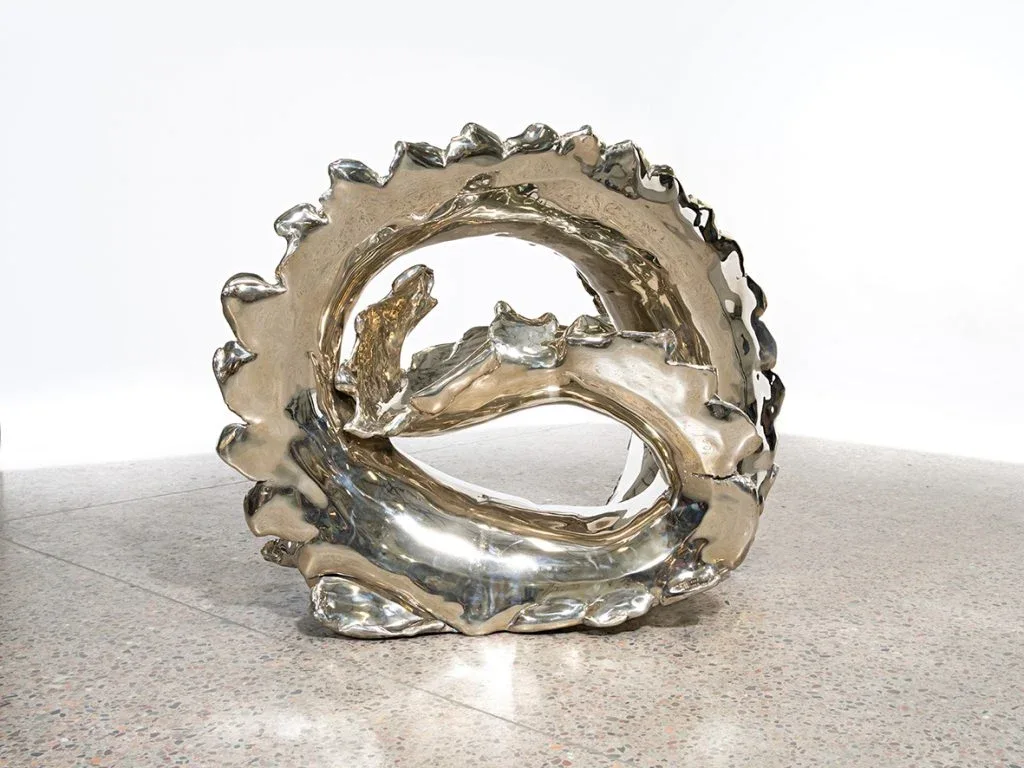
painters, as in previous years. Instead, Green highlighted Lynda Benglis , the 84-year-old sculptor with a show of historic and new works at Pace (ahead of a traveling retrospective at the Kunstmuseum Basel , Tate Modern , and the Louisiana Museum outside Copenhagen). He is also excited about “Savdie/Soutine,” an exhibition at Norr Cohan in Tribeca that pairs mid-career artist Ilana Savdie with Chaïm Soutine , who died in 1943.
Young dealers are also looking backward.
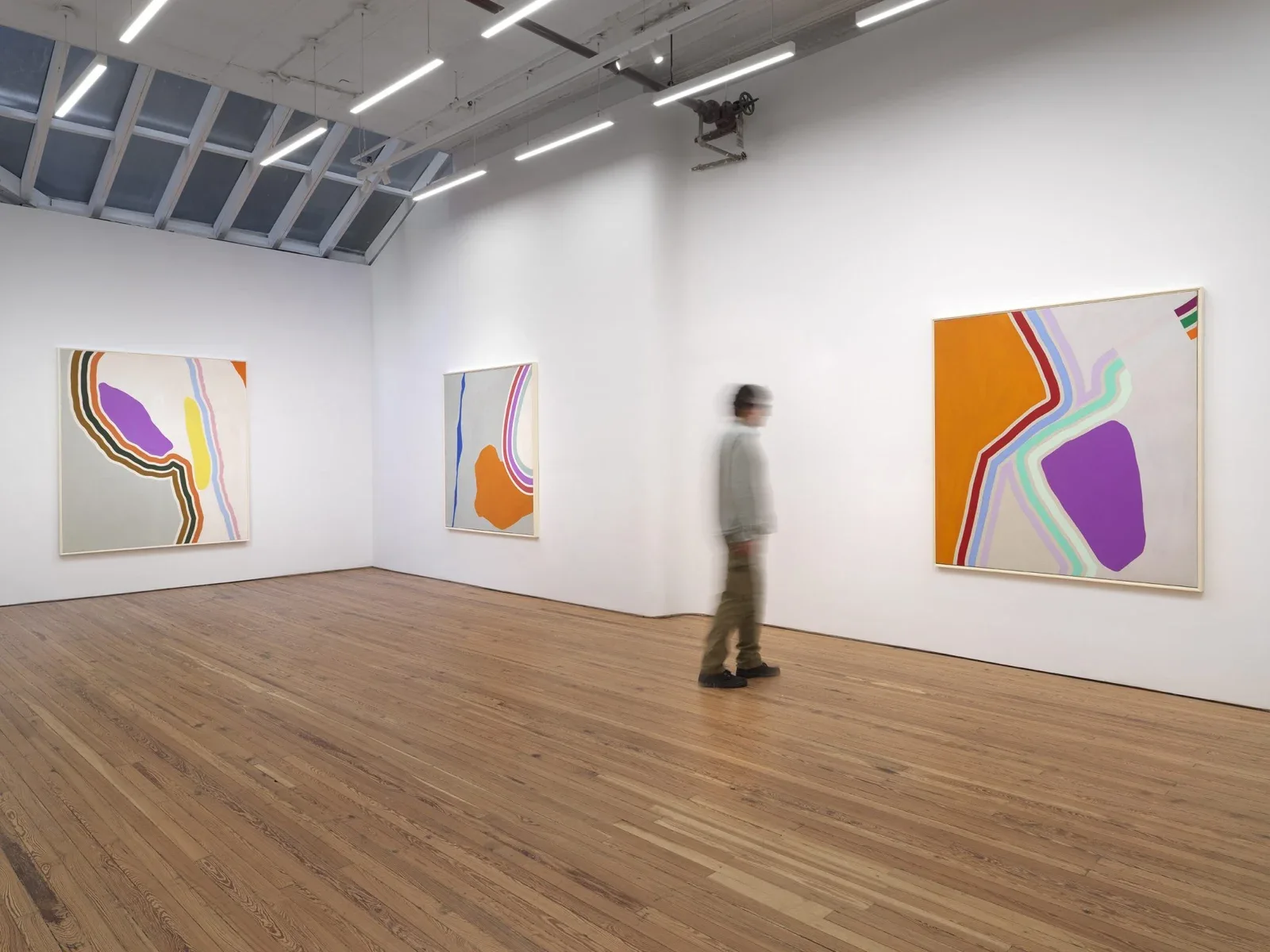
Sebastian Gladstone , who opened his gallery in Los Angeles five years ago, is mounting an exhibition in New York from the estate of Herman Cherry (1909–92), with nine abstract paintings from 1970, unseen for five decades. Gladstone said he sold five works before the opening, with prices ranging from $85,000 to $95,000.
“We don’t need to keep introducing new names,” he said. “We are filling the gaps in our program with older artists and estates.”
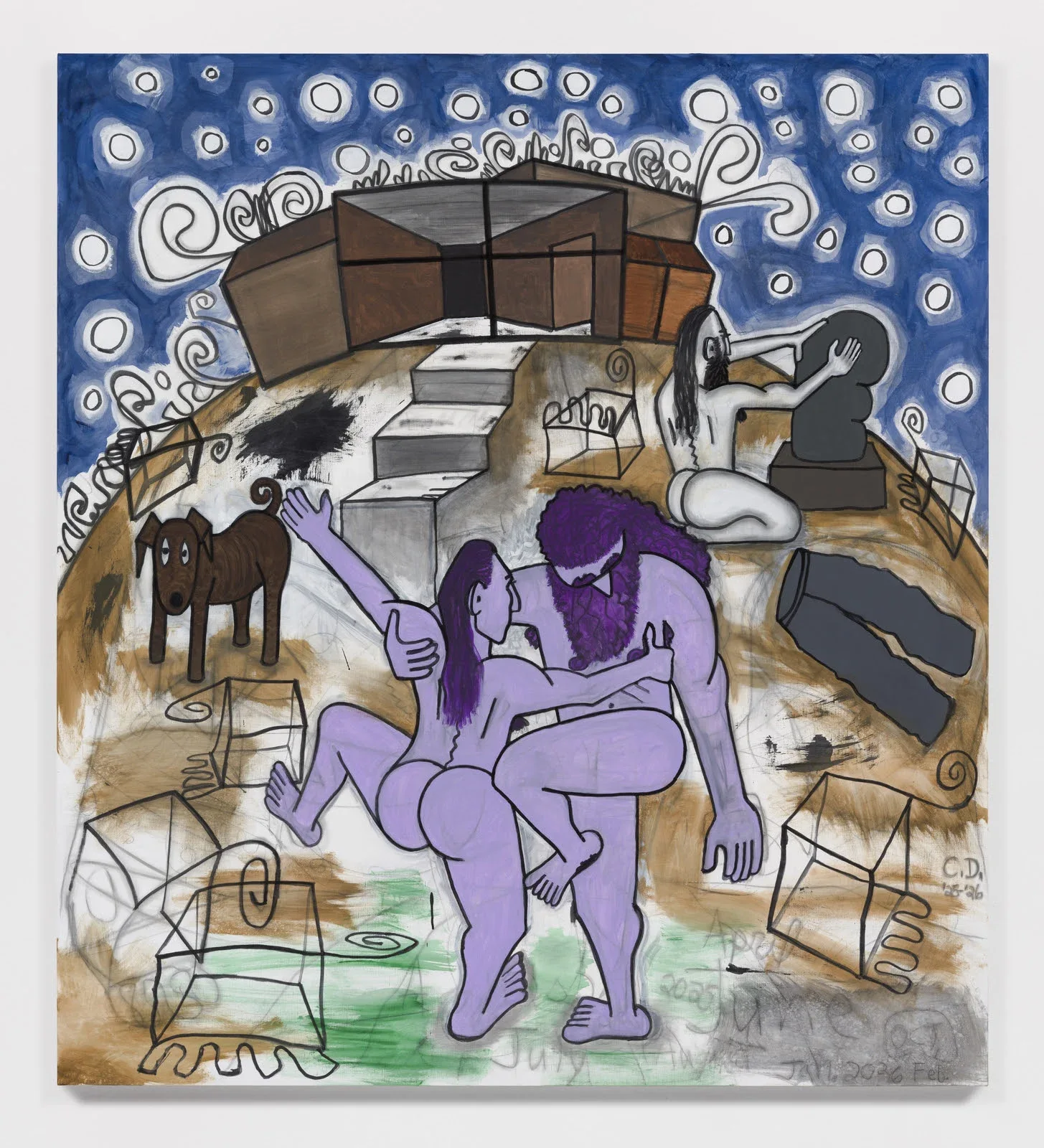
Matthew Brown , another dealer who made his name showing young artists, is opening with Carroll Dunham , 76, whose blend of cartoonish figuration and lyrical abstraction has earned him a cult following—and a career survey at the Institute of Contemporary Art, Miami during Art Basel Miami Beach in December.
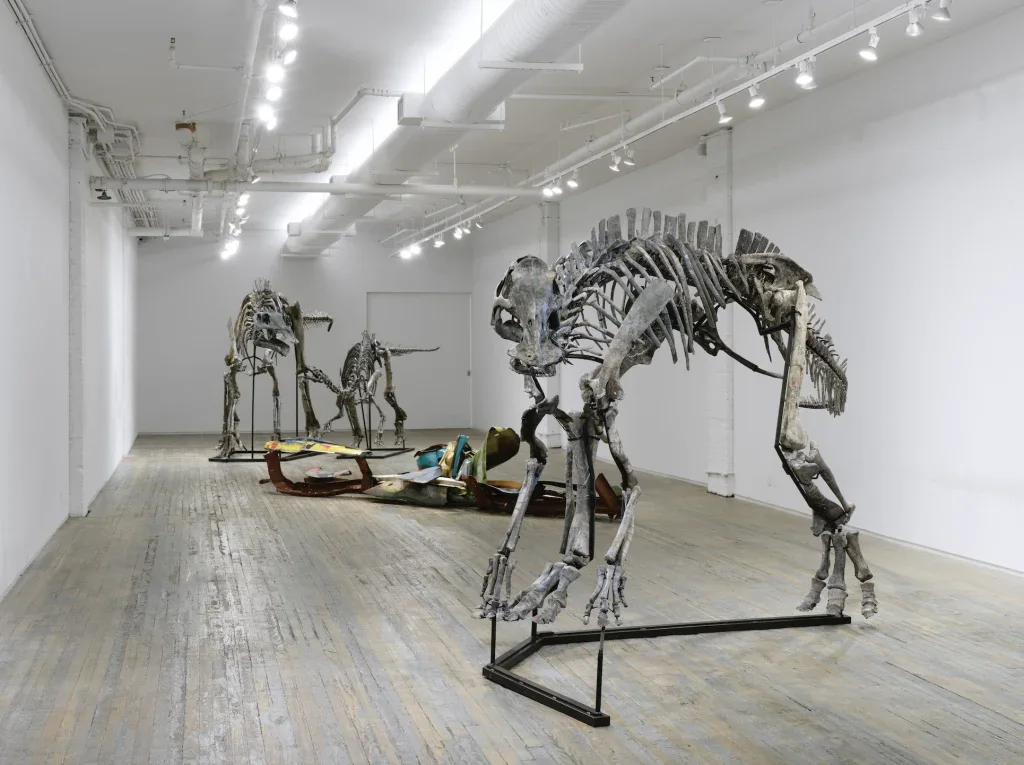
Some young dealers are venturing even farther back. Three 76-million-year-old dinosaur skeletons popped up next to a 1982 sculpture by John Chamberlain (1927-2011) at Amanita , an emerging-art gallery, this summer. Why not? Fossils are hot with the billionaire set.
None of this means that the hunt for the next hot artist is over.
Original reading · 03
Louis Fratino at David Zwirner , Joseph Yaeger at Barbara Gladstone , and George Rouy at Hauser & Wirth are among the buzzy shows in that department this fall. But the frenzy has become more selective, advisors said. The days when seemingly every emerging artist could sell out a show—when collectors felt compelled to buy, for fear of missing out —are gone, at least for now.
“People still enjoy novelty,” Bill Powers , owner of Half Gallery in New York, said. “Curiosity is the driver.”
Powers, who’s been involved in plenty of speculative frenzies, is starting the season with a show of paintings by Meghann Stephenson , 35, whose style and subject matter evoke Anna Weyant . All nine works in the show have been sold, with prices ranging from $8,000 to $20,000.
This price bracket “scratches that itch for a lot of people,” while not being too risky an investment, Powers said. “Collectors got burnt too many times buying a work for $30,000 that sells for $10,000 a few years later,” he said. “It was a game of musical chairs, and a lot of collectors were left standing up holding armfuls of hot young painters.”
Since the bubble burst, resale values for many artists have plummeted . But galleries are loath to cut prices for new works, even when earlier pieces by the same artist trade for a fraction on the secondary market.
“Primary prices are too high compared to fair market prices,” Green said. He did more private secondary-market transactions this summer than in recent years as clients who traditionally bought from galleries started looking elsewhere.
In one recent case, Green said, a collector was considering paying $60,000 for a work at a gallery when the person discovered pieces by the same artist traded at auction for about $12,000.
“I can’t pay $50,000 more,” Green recalled the collector telling him.
In another transaction, Green said, he helped a client privately acquire, for $300,000, a work that would have cost about $500,000 at the gallery.
“A gallery won’t ever offer you a 40-percent discount,” Green said.
Doing Math Dealers are doing the math on their own spending, too.
Original reading · 04
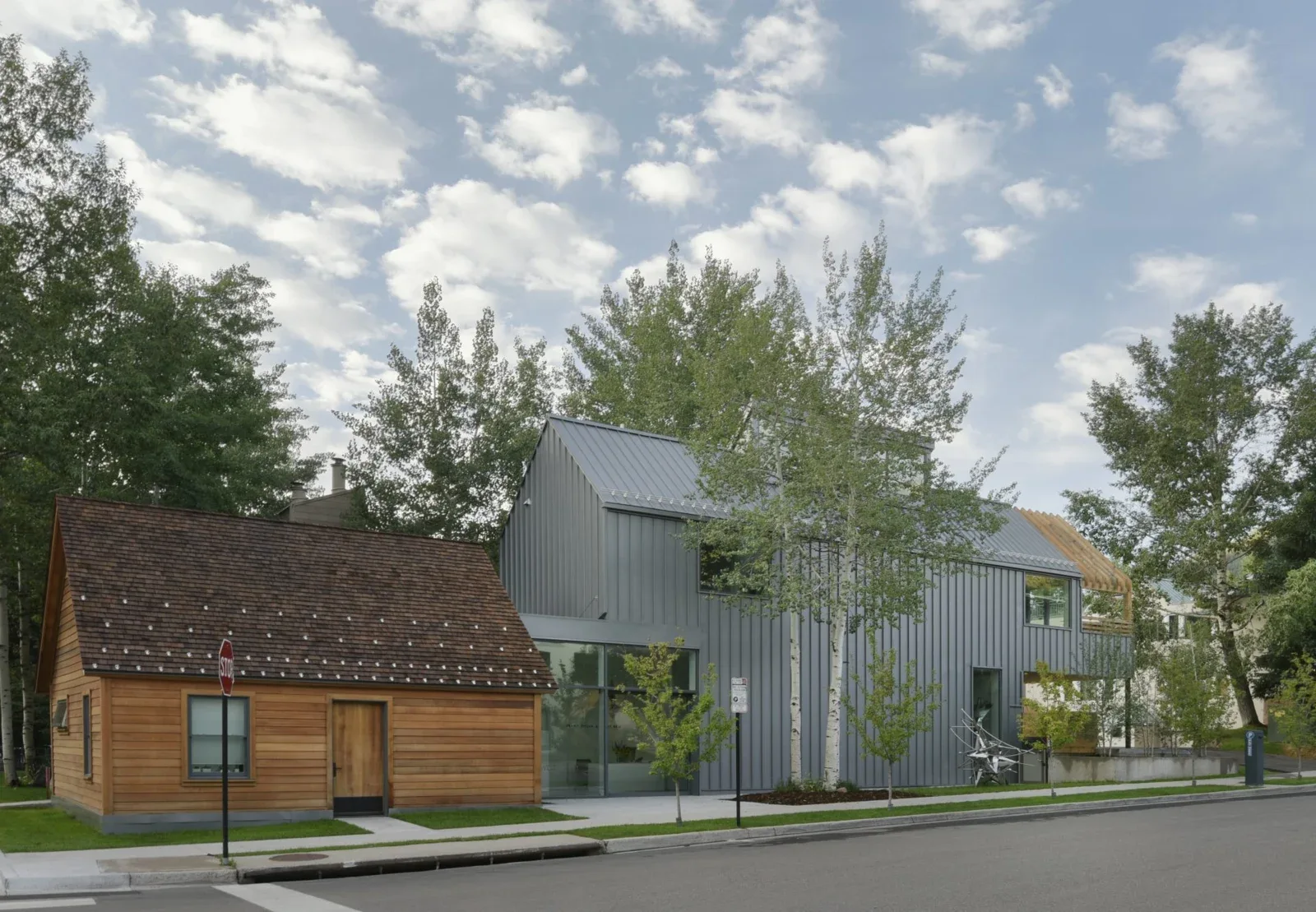
Marianne Boesky , whose gallery turns 30 this year, cut the Armory Show from her art fair list, and she hasn’t done a Frieze fair since 2023. This year, the gallery is doing just four fairs, including TEFAF Maastricht , Art Basel in Switzerland and Miami, and the Aspen Art Fair .
“At our absolute peak insanity, we were doing 10 to 12 fairs a year and had three locations in New York,” Boesky said. “It was nuts.” That started slowing down in 2016, when the gallery closed its Upper East Side and Lower East Side locations to expand in Chelsea and open a seasonal space in Aspen.
In a tighter market, Boesky said, she would opt out of spending $400,000 on an art fair booth and “produce a few more sculptures for my artists.”
Sebastian Gladstone is making similar calculations.
“The strategy and awareness around the danger of art fairs is very front of mind,” Gladstone said. His approach: “Doing as few fairs as possible” and “not spending money and hoping for the best.”
For Paris, rather than betting on an expensive fair booth, Gladstone is renting a gallery and staging his own exhibition from the estate of a self-taught artist, Franne Davids (1950-2022).
He plans to host a lunch for 40 collectors. The gallery already sold several works ahead of the show, covering its entire cost.
“How about this?” Gladstone said.
Read the argument alongside market data
Source & reading notes
Less Is More? Inside the Art World’s New Season of Recalibration
Katya Kazakina · Artnet News · 2026-09-09
The English reading retains the supplied article’s wording, with navigation, advertising and recommendations removed. The Chinese edition is an editorial guide, not a parallel translation. Observations refer to the publication date. Art Value Lab commentary does not represent the author’s views. Image rights remain with their respective owners.