The Multibillion-Dollar Maneuvers Behind the Met’s Raphael Show
Curator Carmen Bambach's quest to stage the blockbuster involved eight years, navigating 60 museums, and endless nos.
Original author · Katya Kazakina
Artnet News / Artnet Pro ·
Reading & commentary · Art Value Lab
Original reading · 01
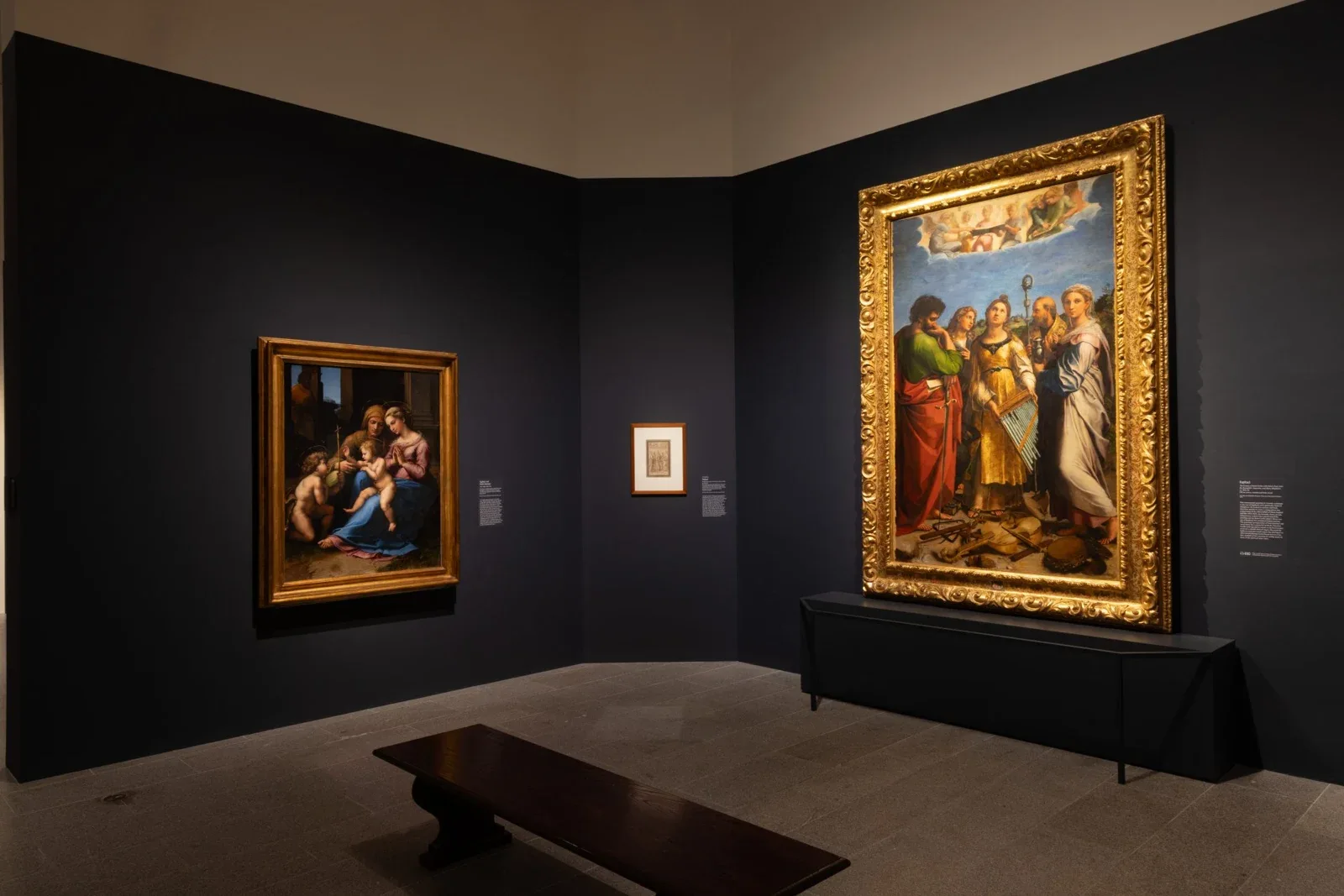
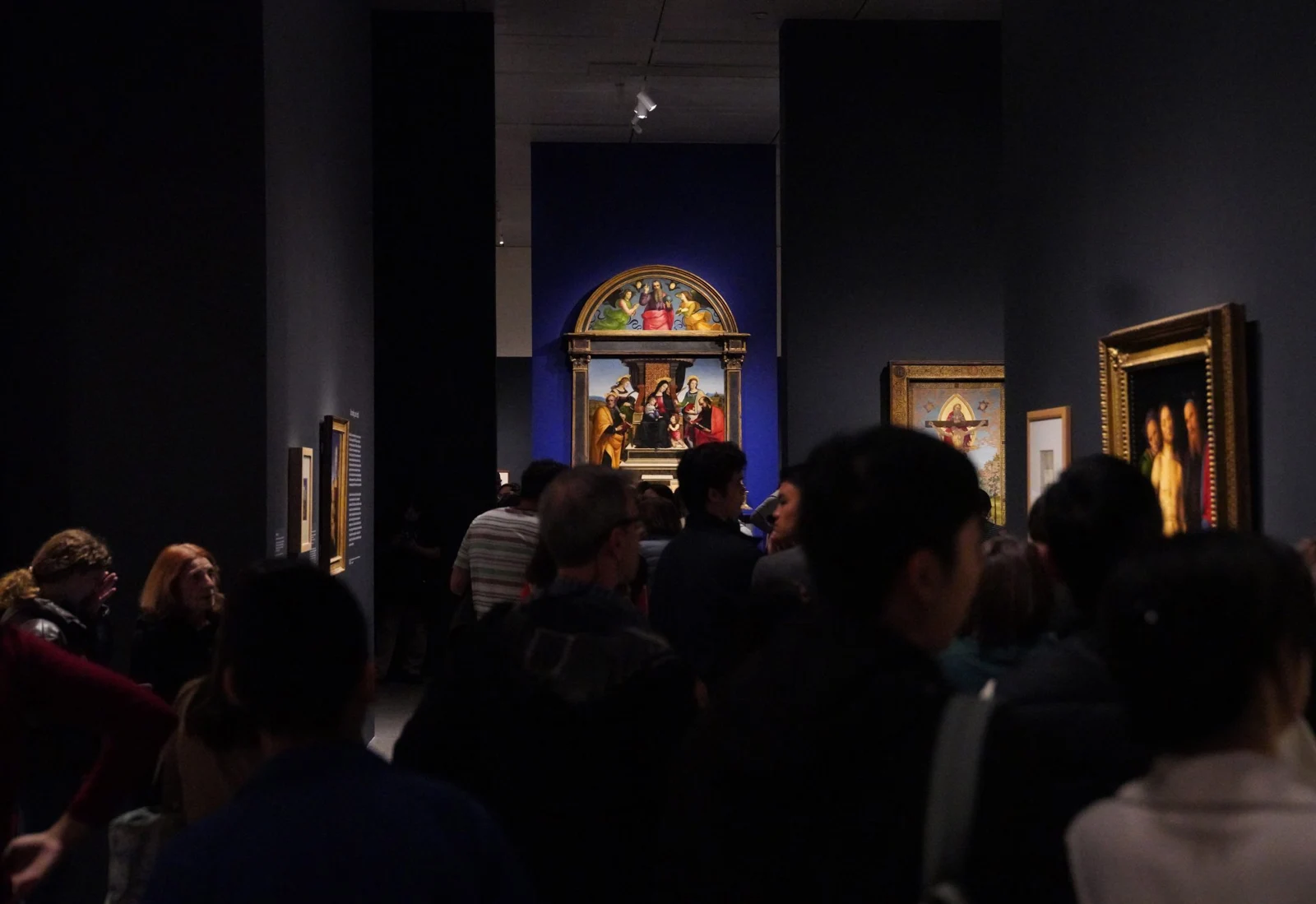
At the “Raphael: Sublime Poetry ” exhibition at the Metropolitan Museum of Art one masterpiece is more jaw-dropping than the next. The exquisite Madonnas, the monumental tapestries, the bravura drawings. So many of them.
Walking through the quiet galleries before the museum opened to the public the other day (perks of the job), I kept wondering: What does it take to put together an astounding exhibition like this?
I asked Robert Simon , a prominent Old Master art dealer in New York, who unearthed the painting Salvator Mundi that was later authenticated and sold as a Leonardo for $450 million.
“Money and power,” was his answer. “Only the Met could do such a show.”
An Epic Survey
The largest survey dedicated to the Renaissance master in the U.S. includes 33 of his paintings and 142 works on paper. About 60 public institutions from 11 countries sent their treasures by the man born Raphael Sanzio da Urbino (1483–1520). Private loans include his two most expensive works at auction, lent anonymously by New York billionaire Leon Black .
The estimated aggregate value of art on view is in the billions of dollars, according to experts. (Predictably, the Met is mum on this matter.)
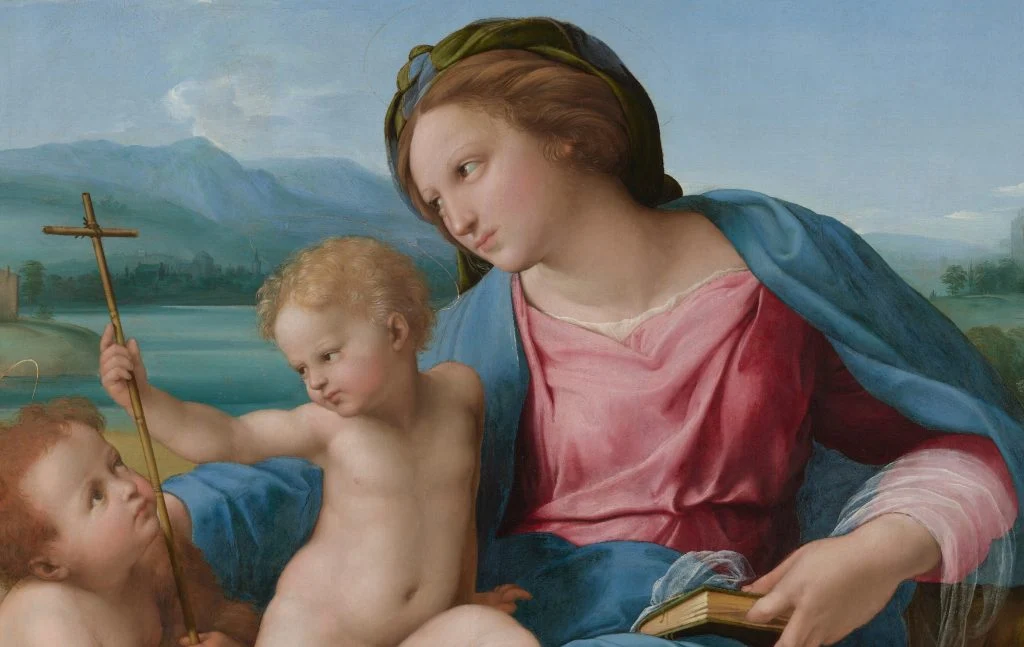
Paintings hail from the Louvre in Paris, the Uffizi in Florence, and the Prado in Madrid. The cover painting, The Alba Madonna (1509– 11), comes from the National Gallery of Art in Washington, D.C. where it has resided since 1937, part of the formative gift by industrialist Andrew Mellon , who bought the pride of the czars from the Soviets in 1931.
How did it all come together? And what were the costs, the logistics, and behind-the-scenes hustling?
Who better to ask than Carmen Bambach , the Met’s acclaimed Renaissance scholar who curated the blockbuster, her third consecutive triumph, following “Leonardo da Vinci: Master Draftsman” in 2003 and “Michelangelo: Divine Draftsman and Designer” in 2017–18.
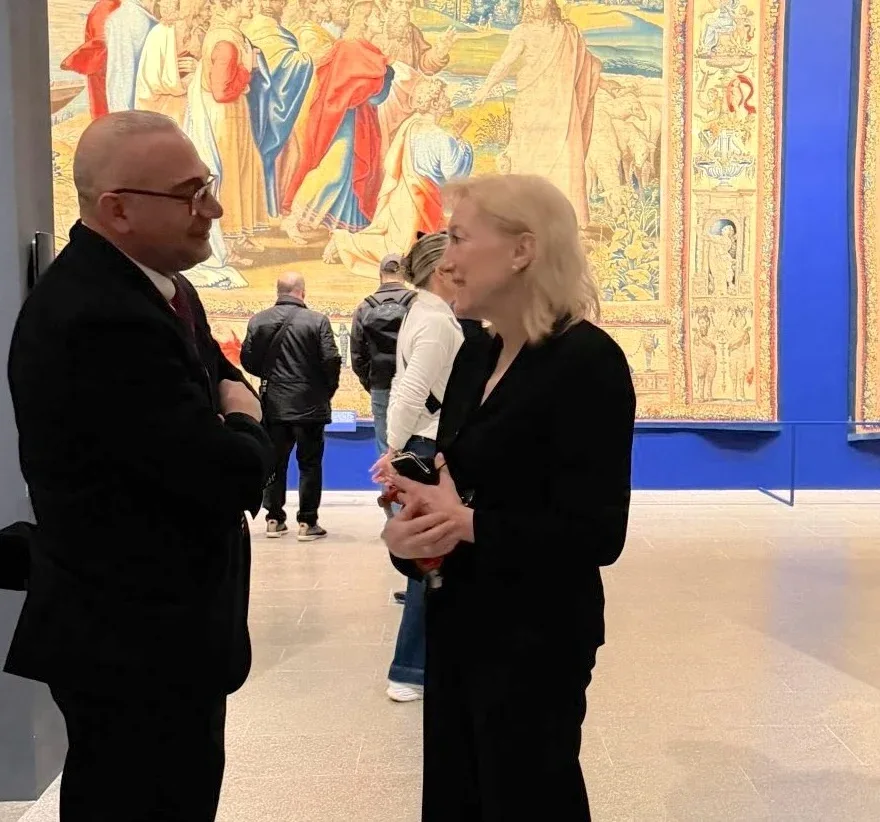
“Carmen is very determined,” Thomas Clement Salomon , director of Gallerie Nazionali di Arte Antica di Palazzo Barberini–Palazzo Corsini in Rome, told me by phone this week.
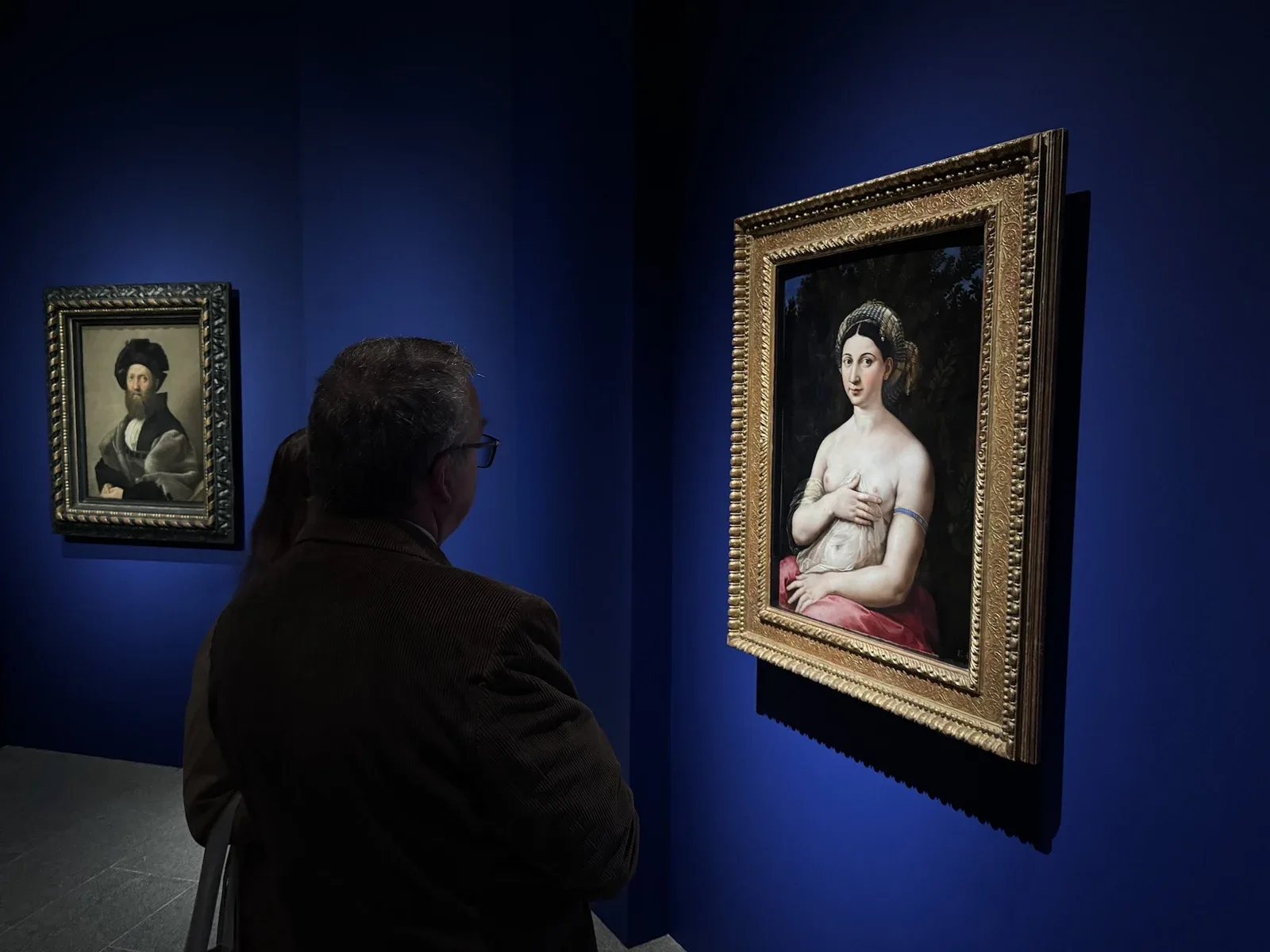
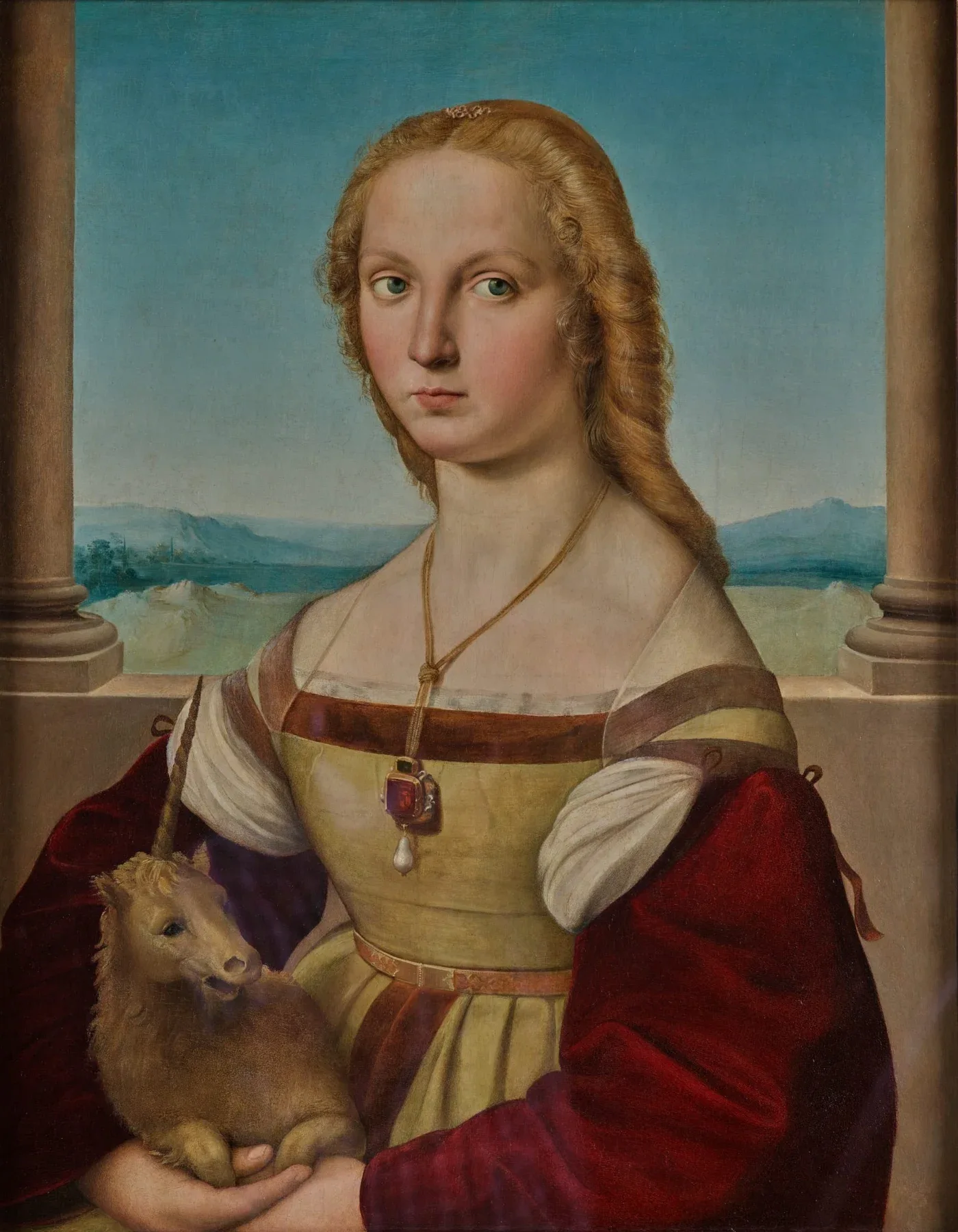
Salomon has been Bambach’s key ally in securing loans from 17 Italian institutions, the most of any country, including Palazzo Barberini’s late portrait of a young, semi-nude brunette, La Fornarina , dated 1518–1520 (and likely completed after his untimely death by his studio assistant Giulio Romano , per exhibition catalog).
Original reading · 02
“These artworks are like our ambassadors,” Salomon said. “If a project is like this, so very serious from a scientific point of view, it’s very important to support. And, of course, we have great esteem for the Metropolitan, Carmen Bambach, and the director Max Hollein . So, we are glad to lend.”
Big Goals The show took eight years to put together, requiring diplomacy, patience, and perseverance, Bambach said. She had to do research, negotiate loans, and fundraise all at once.
“As an art historian, I am interested in the biography of artists, especially in how the artist becomes the artist he becomes,” Bambach told me last week. We spoke by Zoom, her office, visible in the background, overflowing with books and papers, her schedule equally packed with meetings and events.
“In order to do that, it’s important to have read all the literature, to be very familiar with all the works—that means painting, drawings, tapestries, et cetera—and to also figure out how to present the visual argument for the exhibition in a clear way,” the curator said.
The central question loomed: Who is the Raphael she believed in and how to present that vision. She wanted a balance between early, mid-career, and later works of the artist who died at 37, likely from a pulmonary disease .
Bambach created a wish list: It was 68-pages long, single spaced. If an institution denied her a work, she knew where to find the substitutes.
“Asking for paintings and drawings by Raphael is like asking for the firstborn of a noble family,” Bambach said. “It’s rare that you get the loan at the first ask.”
She started negotiations in 2020. The process involved in-person meetings with curators, conservators, department heads, museum directors, and government officials. Around the world. She traveled non-stop and navigated layered bureaucracies.
Here’s just one example: The release of an accounting book of the funeral expenses for Raphael’s mother needed to be blessed by the regional and national heads of the Franciscan Order , which owns the document; the head of the department of archives and historical documents in the Marche region; and then the minister of culture in Rome, Bambach said.
Another loan took eight personal visits. “It was always, No, no, no, no, no, no, no, until the eighth time,” she recalled.
When everything else failed, Bambach turned to Hollein, the Met’s charismatic director.
Such was the case with the Museum of Fine Arts in Budapest, Hungary, whose director “was a very particular person,” she said. “And so, Max could negotiate with him in order to get the unfinished painting and a drawing and a print from their collection.”
Original reading · 03
The museums are typically loathe to part with these famous paintings. And some, apparently, couldn’t be persuaded even by Hollein.
“People go there to see them,” Simon said about the lending organizations. “These are the sort of paintings that if any other museum requests it, they wouldn’t give it.”
The Met’s power and prestige went a long way. As did the appeal of its reciprocal loans, publications, and future collaborations.
Take Palazzo Barberini , whose Caravaggio holdings will be soon augmented thanks to a new painting purchased in March by the state for $35 million. The museum is now planning to create a special gallery for the artist and is counting on a “generous” loan of the Met’s painting, The Musicians (1597), according to Salomon. Another potential loan is, a self-portrait by Velazquez for an upcoming exhibition dedicated to the Spanish master’s time in Rome.
Big Expenses
Getting the prized works to New York was another big expense to consider. Bambach noted that a Met registrar managed 78 art couriers to accompany the artworks. In some cases, two people came along with a single work, the curator said.
These couriers are representatives of lending institutions, who travel with the prized works as they are crated, uncrated, and moved on trucks and airplanes to and from host museums.
“When they fly with art, they fly business,” said Simon, who himself had been a courier a couple of times. “When they go back, they fly economy. The companies you go to are usually the most expensive. No one wants to make a mistake.”
Having so many couriers is unusual even for blockbuster shows, a shipping executive told me. The person, who was not involved with the exhibition, estimated that courier expenses could easily have surpassed $2 million, based on the number of people involved.
While the Met declined to discuss any financial details related to the show, Salomon guessed that the value of art on view is in the billions of dollars (though less than $10 billion, the number I suggested as a gauge).
Morgan Stanley stepped up to be the lead sponsor again, just as it did for Bambach’s Leonardo and Michelangelo shows. Billionaire Ken Griffin provided major funding. The Met also received an indemnity from the Federal Council on the Arts and Humanities , the spokesperson said. (This program covers up to $1.8 billion in insurance for individual international exhibitions and up to $1 billion for domestic ones.)
The Raphael Market “If one of these Madonnas came up, it would be well over $100 million easily,” said Simon. “These are famous, famous pictures of worldwide appeal.”
Original reading · 04
But major paintings by Raphael almost never come up for sale.
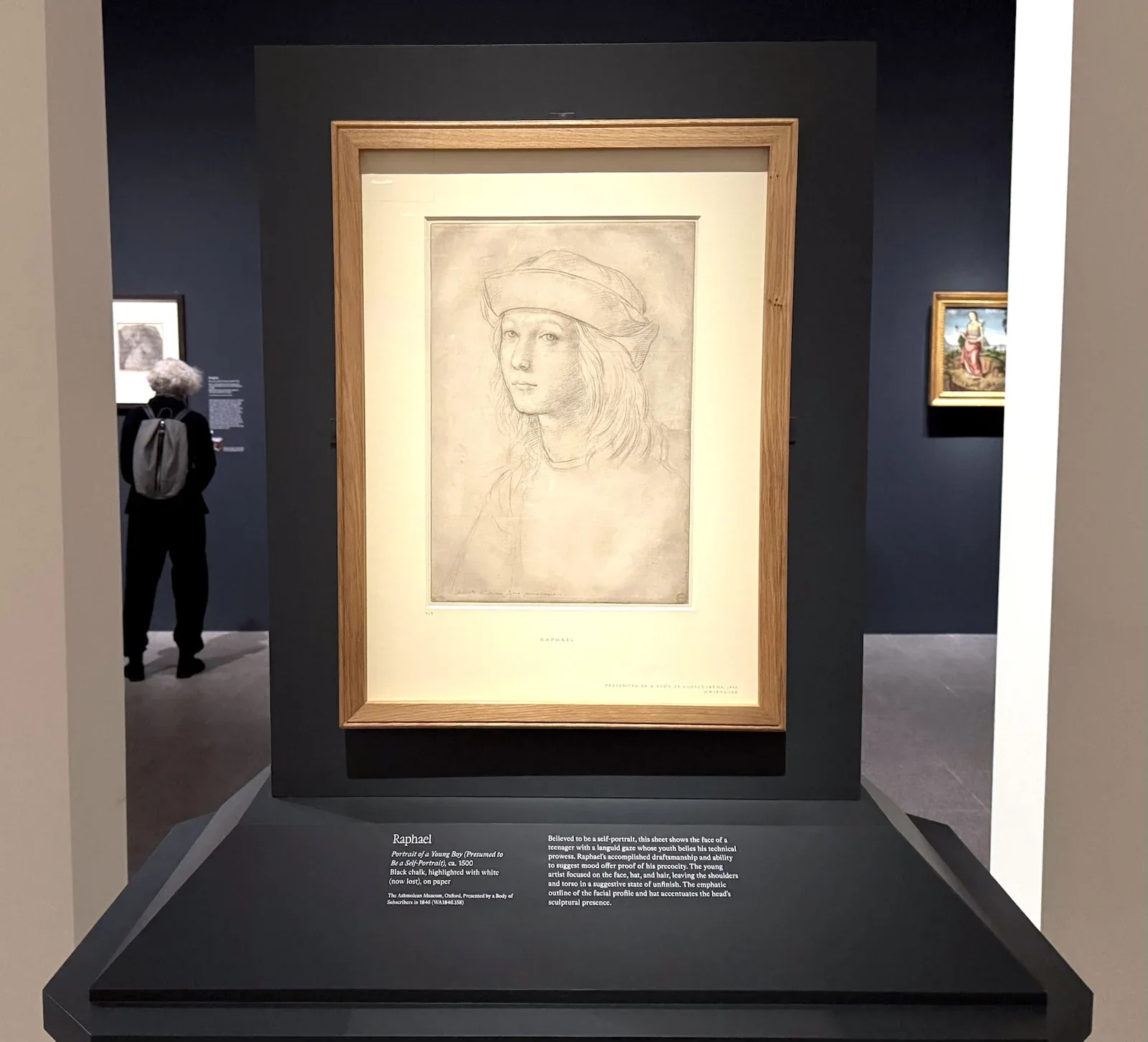
The highest prices at auction belong to two drawings. Both are in the show courtesy of Black, who owns them. He purchased Head of the Muse Polyhymnia (1511–12) for $48 million at Christie’s in 2009. Three years later, he bought Head of an Apostle (1519–20) for $47.8 million at Sotheby’s . It’s a sketch for Raphael’s epic painting Transfiguration (1516–20) at the Vatican Museums .
A four-inch oil on wood tondo from 1517, Portrait of Valerio Belli , from the collection of A. Alfred Taubman , fetched $3.25 million in 2016, according to Artnet Price Database . It’s lent to the Met by the Abelló Collection in Madrid.
The most expensive Raphael painting listed on Artnet Price Database is Portrait of Lorenzo de Medici, Duke of Urbino, holding a gold box ; it fetched $37.3 million at Christie’s in 2007. This work isn’t part of Bambach’s show (but is illustrated in the catalog).
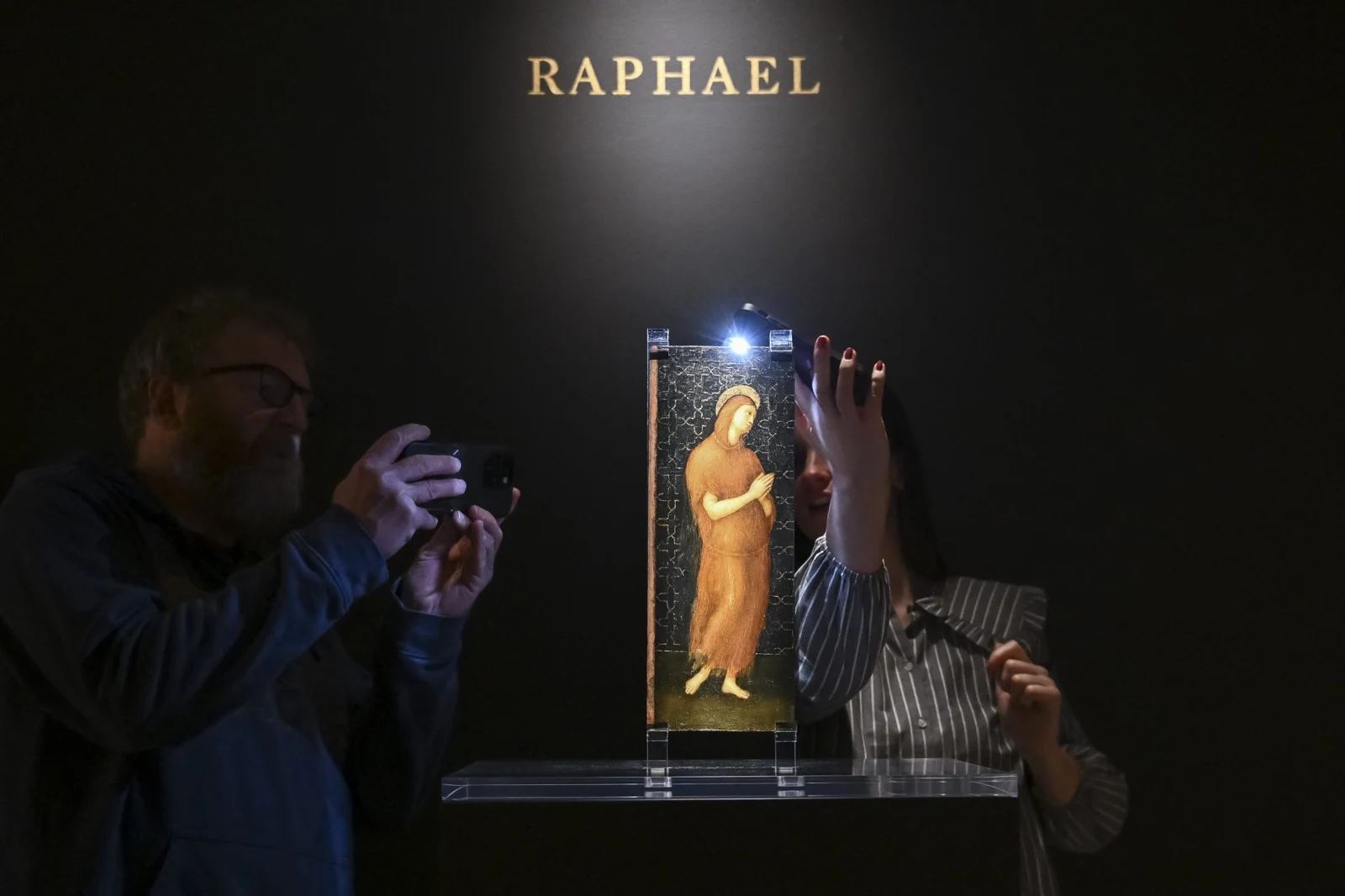
In 2025, a 15-inch-tall and five-inch-wide oil on panel Saint Mary Magdalene (1503) fetched $3.12 million at Sotheby’s. Through intermediaries, Bambach connected with the owner, described in the catalog only as anonymous and Swiss. In the show, she presents the work with its companion, Saint Catherine (1503), which was bought by the Italian government in 1991 for then-record $1.65 million. (At the time, it was sold by the former president of the Philippines Ferdinand Marcos . It now resides in Galleria Nazionale delle Marche in Urbino, the artist’s birthplace.)
Why did Bambach pursue these two small items? She has a theory that the two panels were the wings of a small portable altarpiece, which had been dismantled. The central painting, The Virgin and Child with Saints Jerome and Francis (1503), is at Gemäldegalerie in Berlin, according to the catalog.
While Bambach has many loyal fans, she also has something of a reputation. Some people see her as “a bit pushy,” Salomon told me. “She’s approaching the museums as if Raphael belongs to her.”
But that could be just what it takes to get something as extraordinary as “Raphael: Sublime Poetry” across the finish line.
“I think it’s the right approach when you really care about the project, when you’re ambitious, and when you want to move such masterpieces by Raphael from the other side of the ocean,” said Salomon. “The exhibition we see today is thanks to her determination.”
Read the argument alongside market data
Source & reading notes
The Multibillion-Dollar Maneuvers Behind the Met’s Raphael Show
Katya Kazakina · Artnet News · 2026-04-24
The English reading retains the supplied article’s wording, with navigation, advertising and recommendations removed. The Chinese edition is an editorial guide, not a parallel translation. Observations refer to the publication date. Art Value Lab commentary does not represent the author’s views. Image rights remain with their respective owners.