Why Corporate Sponsorship Is Getting Riskier for Museums
The ethics of arts funding have never been more fraught—or more urgent.
Original author · Vivienne Chow
Artnet News / Artnet Pro ·
Reading & commentary · Art Value Lab

Original reading · 01
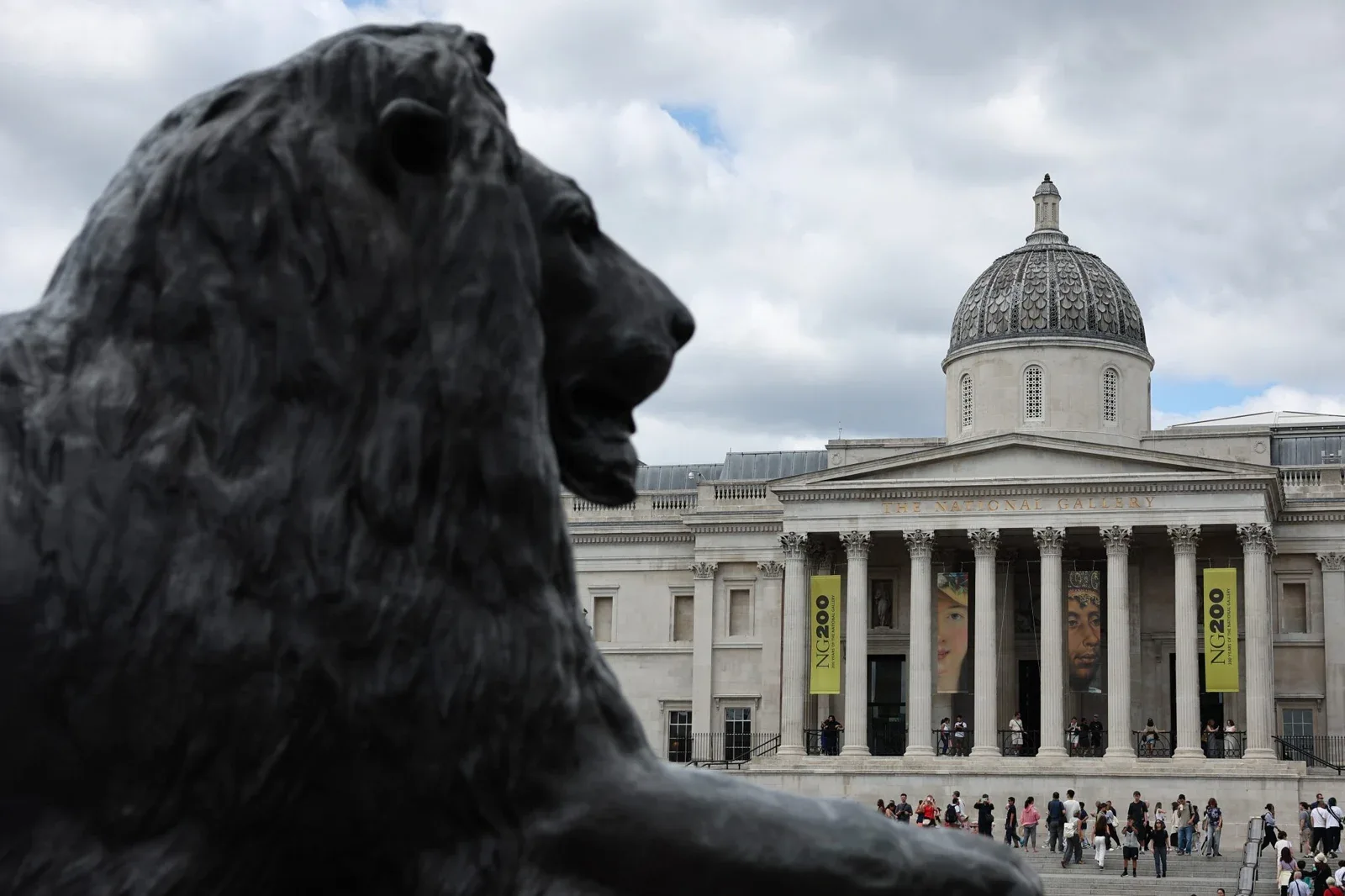
The debate over corporate sponsorship in the arts reached a boiling point in the U.K. this summer, as cultural leaders rallied behind a call to end the “relentless negativity” surrounding private funding from major firms. Bolstered by culture secretary Lisa Nandy’s blunt defense of business partnerships earlier this year, leaders at major institutions, including the V&A, British Museum, and the National Gallery warned that boycotts and public pressure are jeopardizing their survival in an open letter published in May.
Now, just months later, the Museums Association is urging institutional members to take a harder line, with a draft code of ethics that advises museums to “consider climate and ecological impacts and social responsibility” in all funding decisions—explicitly warning against sponsors tied to fossil fuels or human rights abuses. The update marks a shift in tone from its last code, published in 2015, which encouraged ethical behavior in broad terms but did not single out funding sources.
With public funding shrinking, costs rising, and attendance still lagging post-Covid, corporate sponsorships remain a financial lifeline, even as they become political landmines. Museums are forced to rely on private support while navigating ethical scrutiny few sponsors can meet.
“There is no clear line as to what is considered good money versus bad money when it comes to corporate sponsorship,” said Leslie Ramos, co-founder of art philanthropy advisory firm The Twentieth, and author of Philanthropy in the Arts: A Game of Give and Take , in a telephone interview. “How long is a piece of string? What is considered a potentially good company and reputable company today is not necessarily going to be considered a good company in 10 or 20 years time.”
From Courts to the Court of Public Opinion
Corporate sponsorship is not new and, to an extent, has always invited scrutiny. One classic example, according to Ramos, is tobacco companies, which sponsored the arts widely through the late 20th century, until they were phased out by laws across the U.S., U.K., and Europe in the early 2000s. Philip Morris, for example, branded itself as a leading art patron sponsoring museums from the MoMA to Brooklyn Museum of Art as well as a range of performing arts festivals. Across the pond, John Player and Sons sponsored the National Portrait Gallery’s portrait prize until 1988, which BP took over (
b983944.html) in 1989. While tobacco brand name sponsorships have been largely banned, Altria, the parent company of Philip Morris, continued to back some regional art initiatives in the U.S. as of last year.
Fossil fuels have become the latest and largest battleground. BP’s decades-long sponsorship of the National Portrait Gallery’s portrait award ended in 2022 after sustained campaigns by climate activists, signaling a turning point in how museums weigh financial necessity against public perception.
The latest episode sees the Museum Association urging museums across the U.K. to “transition away” from sponsorships from companies that have ties with “environmental harm (including fossil fuels) and human rights abuses,” as well as other sponsorships “that does not align with the values of the museum” in its latest draft updates of its code of ethics. Museums should “exercise due diligence” and “strive to secure funding from ethical sources,” the organizations noted. The document is open to members’ vote until October 7 when the association’s annual general meeting takes place.
“If adopted, it would send a clear signal that sponsors fueling and financing climate breakdown and human rights abuses cross an ethical red line—and are no longer welcome in our museums and galleries,” Culture Unstained, which has been campaigning against fossil fuel sponsorship of culture, noted in a statement.
Original reading · 02
Unpredictable Backlash It is hard to predict what will be the next public target. What is considered safe today can be a hot potato tomorrow.
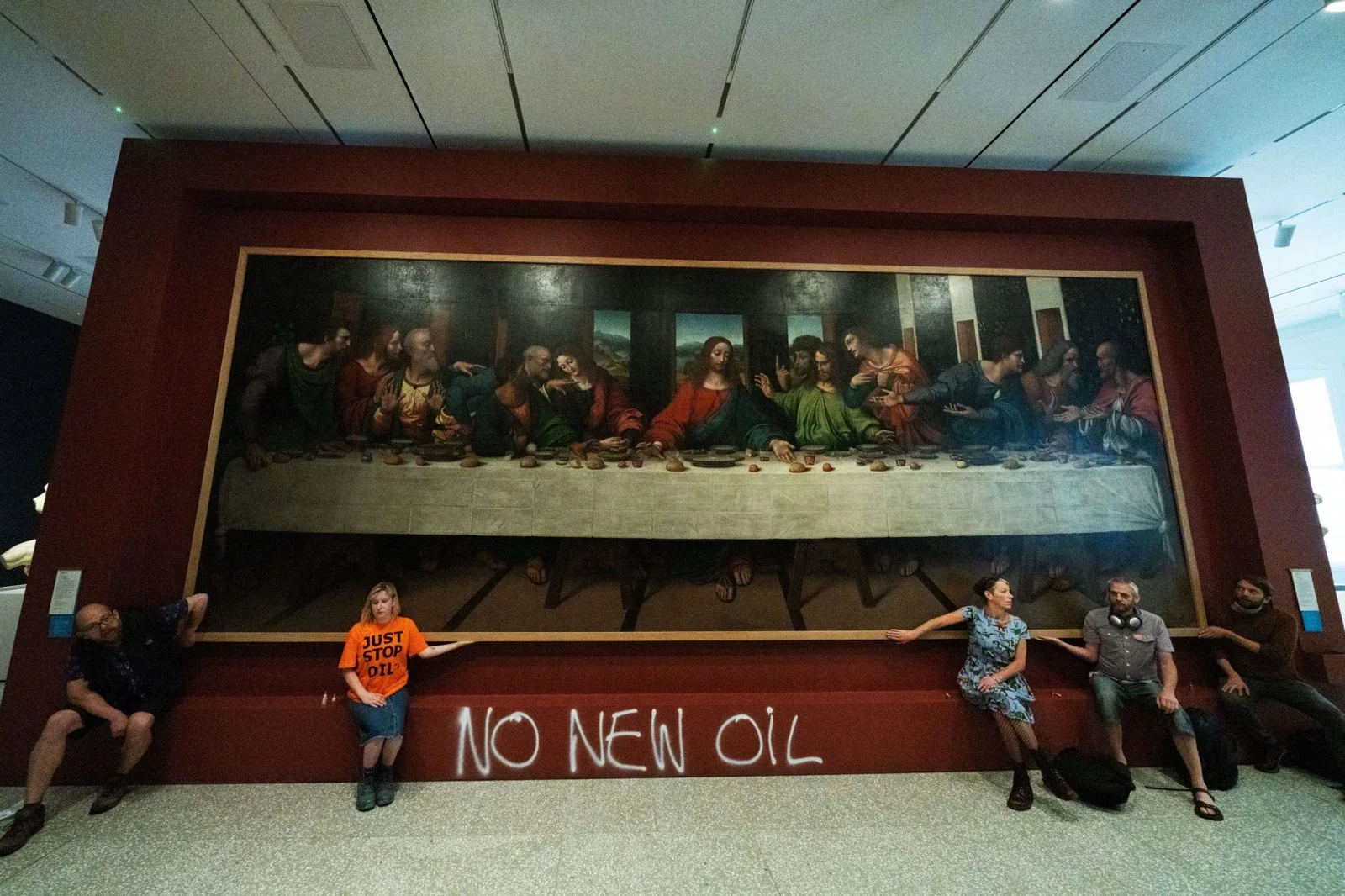
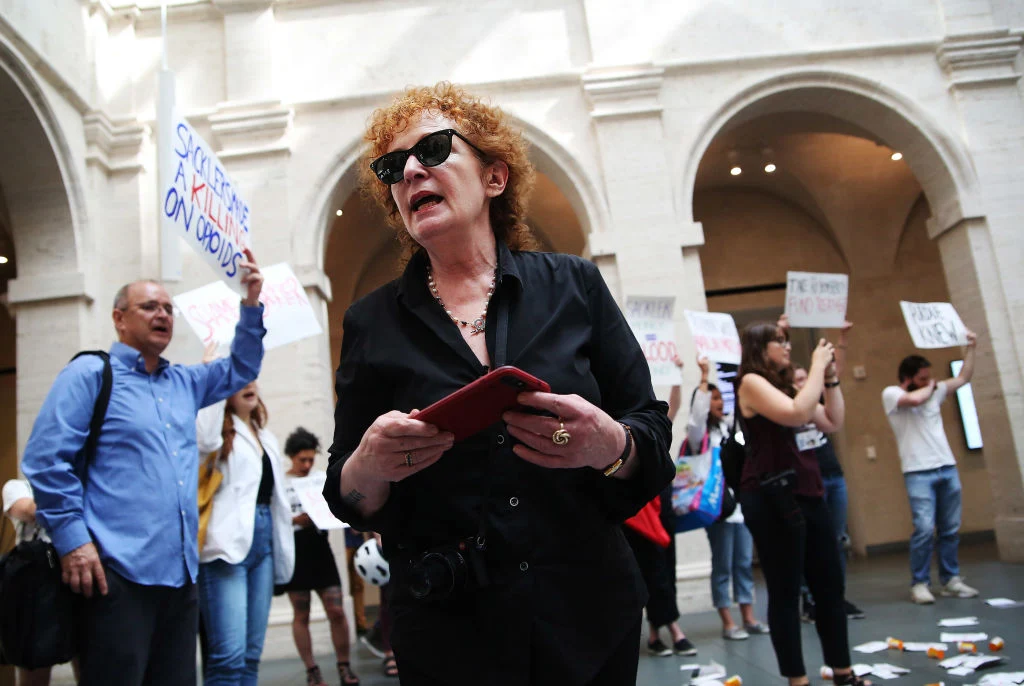
“I’m always asked this question, what do you think is going to be the next frowned upon company?” said Ramos. She noted that major public actions—such as the Sackler P.A.I.N. protests led by Nan Goldin or climate activists throwing soup at masterpieces—have made it increasingly difficult to find “brand-safe” sponsors, as even well-intentioned companies are now “too scared” to associate with art institutions.
The unpredictable backlash on corporate sponsors has put financial strain on museums, especially when museums have yet to recover from an attendance drop during the pandemic, one U.K.-based senior museum patron said. According to a five- year (2019-2024) trends analysis compiled by Arts Council England, the average museum visitor numbers were down by 10 percent, with half of the 622 museums surveyed reporting a dip by more than 10 percent.
“Audiences are holding museums to a higher standard now…we don’t know when [scrutiny of private sponsors] will ever stop,” said Joe Dunning, a business development specialist in the art world and founder of the culture consultancy firm Dunning and Partners.
Enforcing Ethical Frameworks
Dunning noted that most museums want to source their funds from an ethical business, judging from a company’s employees, its impact on the environment, and its supply chain. While this type of scrutiny can be overtly elaborate, he advises institutions to adopt a “values alignment” approach first when it comes to identifying potential sponsors.
“When I work with a non-profit client that wants to bring in a corporate sponsor, I look at companies that share the values of that non- profit institution,” Dunning said. While an art museum and an insurance company might have their missions aligned, as they both exist to protect what is valuable and important, it’s more important to identify if the company is genuinely upholding certain values rather than doing it for show and to make profit, he noted.
“All money can be problematic, whether it’s corporate money or private money,” he said.
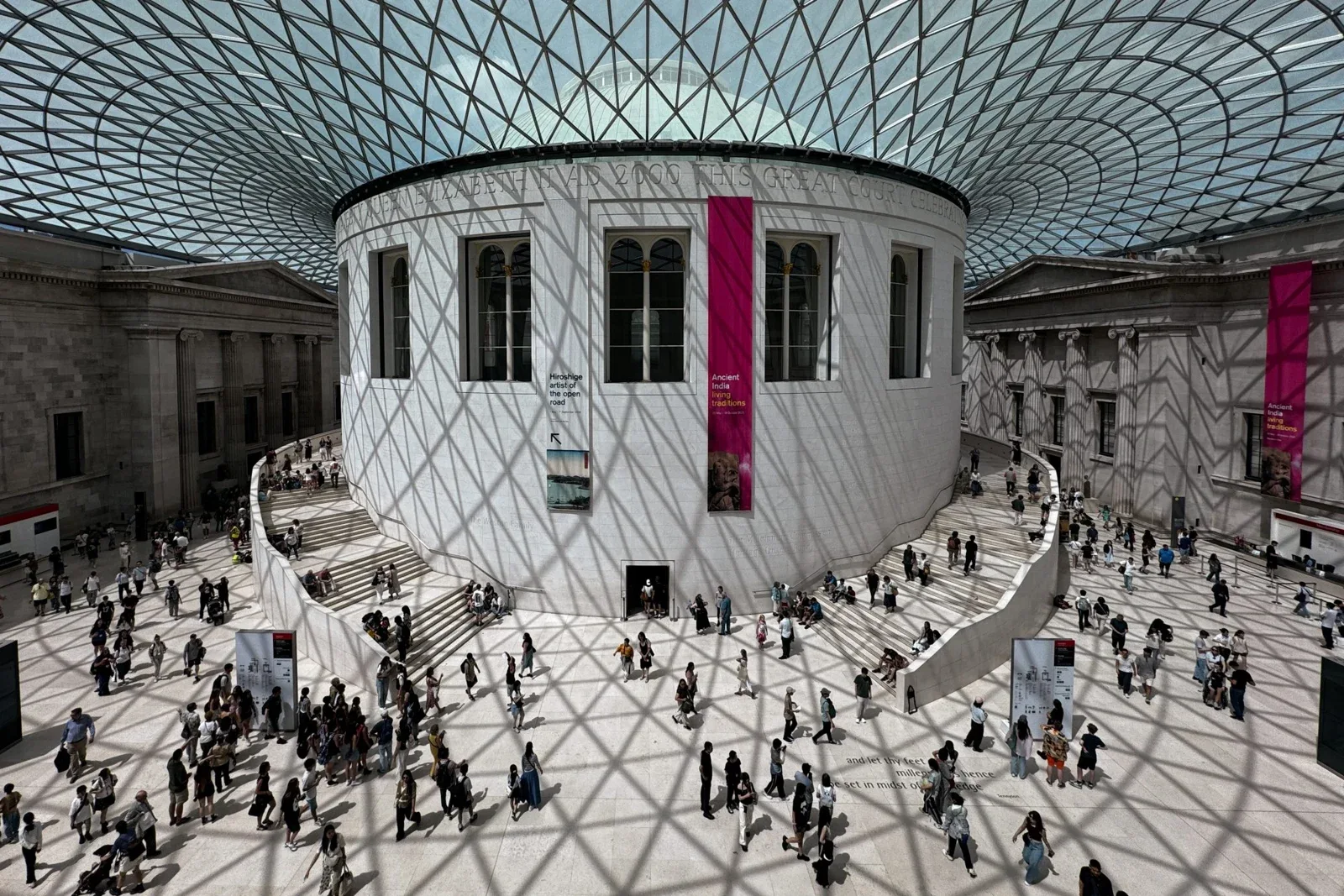
Some institutions continue to stand by their choice of sponsors. The British Museum, for example, said in February that it will maintain its financial ties with BP despite the fossil giant plans to boost their investment in oil and gas at the expense of green spending, which sparked renewed criticism. The institution already came under fire for signing a 10-year deal worth £50 million ($67.6 million) with the company in December 2023, and one of the most high-profile critics was fellow museum director, Maria Balshaw of Tate.
“The public has moved to a position where they think it is inappropriate,” Balshaw said in an interview with the Observer . “There’s a dissonance between wishing to be seen as extremely sensitive in the way we relate to other cultures and careful about the resources we consume, and then taking money from a company that has not yet demonstrated whether it’s really committed to changing.” She also noted that Tate’s ethics committee—a committee commonly found in many museums—also advised on “every kind of donation” the museum receives.
While the British Museum has acknowledged concerns about its corporate sponsorship, it is unclear whether the museum is prepared to drop donors tied with fossil fuels should members of the Museum Association vote to pass proposed updates to its code of ethics.
Original reading · 03
“The Museum operates on public and private funding which ensures the magnificent collection stays on display to the public for centuries to come,” a British Museum spokesperson said in an email. “We consider each donation or sponsorship on its own merits— in line with our policy—and as a public body have an obligation to ensure the long-term financial stability of the Museum by securing funding from a number of sources.”
In the Lap of Luxury?
In an effort to land more mission-aligned funding, art institutions are increasingly turning to partnerships with luxury brands. It makes sense: Some of these luxury giants have even set up their own foundations, including Fondation Louis Vuitton in Paris and Fondazione Prada in Milan and Venice. Prada also organizes major exhibitions known as Prada Mode in different cities, with an upcoming show of Elmgreen and Dragset in London coinciding with Frieze London this year.
Brands are increasingly sponsoring major museum exhibitions rather than launching their own. Gucci, for example, is credited as a partner of Tate Modern’s recent show “Electric Dreams .” The Italian couture house has been a long-time “presenting sponsor ” of the Los Angeles County Museum of Art’s Art+Film Gala since 2011.
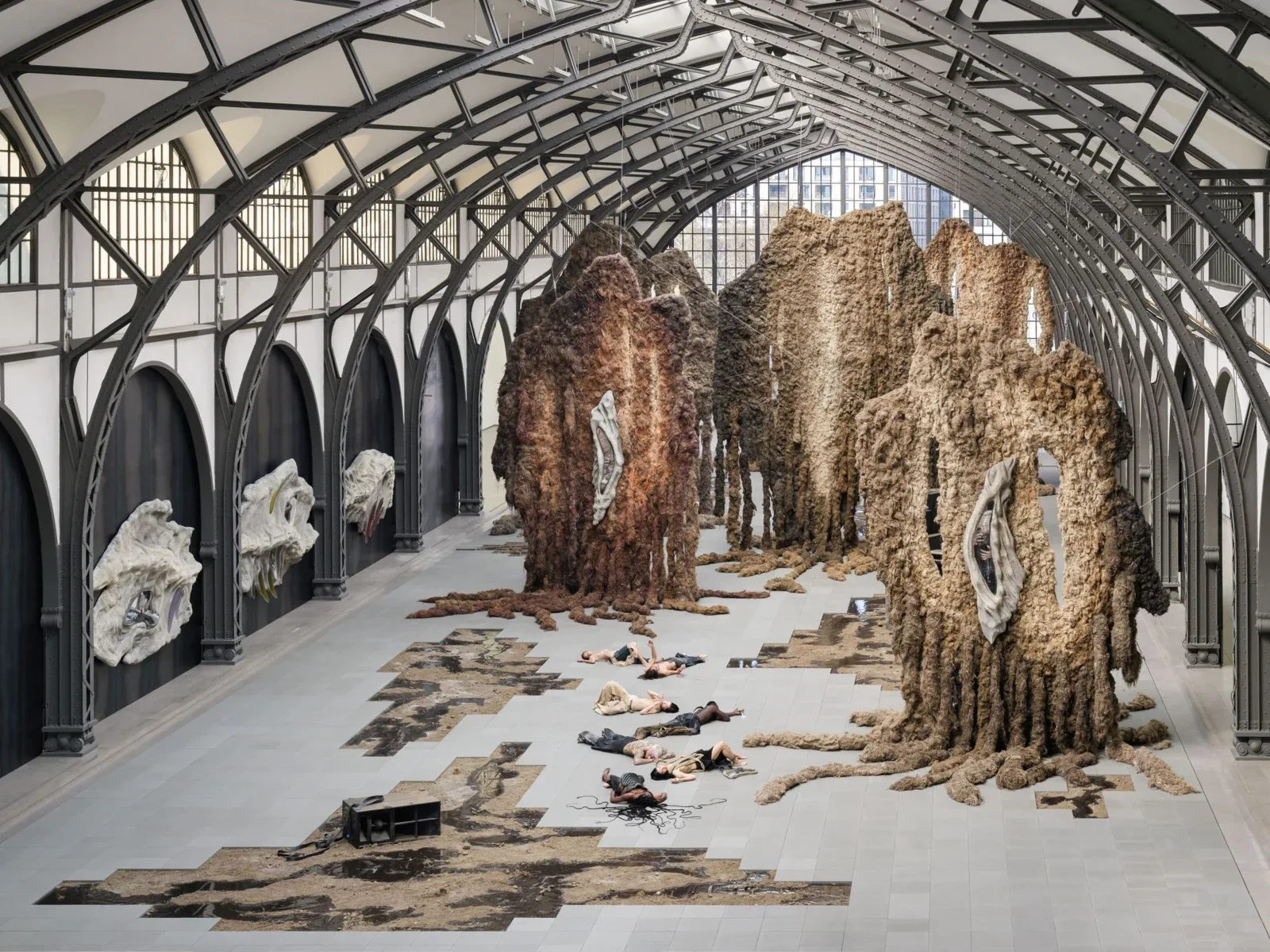
Chanel Culture Fund has become the gold standard for such collaborations, and for good reason: the French couture house’s culture arm eyes long-term partnerships with institutions around the world to develop new programs, instead of supporting individual exhibitions. For example, it partnered with Leeum Museum of Art in Seoul to launch its first public program IDEA Museum and Shanghai’s Power Station of Art for its Next Culture Producer Program. In 2023, it entered a three-year partnership with Hong Kong’s M+ sponsoring the museum’s moving image lead curator and also M+ Cinema programs. This year, it entered a three-year partnership with Hamburger Bahnhof to realize large-scale projects under the brand of “the Chanel commission” at the Berlin museum.
These promising projects make corporations from the fashion industry safe partners—until they do not.
The LVMH-owned Italian luxury brand Loro Piana, famous for its cashmere and vicuña fabrics, has a long history of collaborating with artists and institutions. The brand partnered with London’s Royal Academy of Arts to host a dinner in November 2024 as well as a series of scholarships and bursaries for students at the academy.
But this summer, the company has been placed under a one-year court administration in Italy over alleged labor exploitation in the country. It was reported that one of the century-old luxury brand’s contractors, a Chinese-operated fashion company, outsourced the work to two other companies that were found to be illegal workshops located on the outskirts of Milan. The house said it had been kept in the dark by its contractor and swiftly ended its business with the contractor shortly after it was informed about the situation.
Loro Piana was not the only fashion company running into similar problems. Since 2023, other houses—Armani, Christian Dior, and Valentino— have been placed under judicial administration. While these are not criminal investigations and the court order will be lifted eventually, provided that the companies involved sort out the issues before the deadline, incidents like this may challenge the image of these brands.
“Museums have nowhere to turn to ask for sponsorship because they are scared of which industries to pursue that are not going to have any backlash,” Ramos pointed out. She noted that any industry could have something “that could be potentially damaging or risky.” In other words, no industry is 100 percent safe.
The Art Market Moves In

Original reading · 04
Traditionally, the line between art museums and the art market was viewed as uncrossable, even if there has always been some sort of symbiotic relationship between the two. That’s changing now. Support for museum exhibitions from mega galleries and auction houses is increasingly visible , which has raised questions about conflicts of interest. This spring, for example, saw four artists represented by Hauser and Wirth dominating museum shows in New York.
Other examples include 303 Gallery in New York and Neugerriemschneider in Berlin, which were among the galleries listed that supported Hayward’s exhibition “Mike Nelson: Extinction Beckons ” in 2023. White Cube is credited as “additional support” for Barbican’s current exhibition “Encounters: Giacometti x Mona Hatoum ” by the gallery’s artist Mona Hatoum.
What “support” entails is often a grey area, which further muddies the ethical implications.
“Our support varies from project to project,” Hannah Gruy, White Cube’s senior director, said in an email. “We will connect institutions with lenders and on occasion support exhibitions with financial contributions towards catalogue production, content, or special events.”
As artist representatives, galleries have in-depth knowledge of the works being exhibited and how artists’ studios operate. “Considering this, a key part of what we do is act as an intermediary and support network to facilitate things running smoothly for the artist,” she added.
Lehmann Maupin also said that it supports museum exhibitions that involve the gallery’s artists, citing Do Ho Suh’s current Tate Modern exhibition as an example. While “financial aspects” are involved, the gallery also provides “expansive” support ranging from logistics and loan agreements to the production of new artworks, as well as PR and marketing, noted a gallery’s spokesperson. In the case of Suh, with whom the gallery has been working for nearly three decades, we’re able to offer museums access to our artwork inventory which means the works are loaned directly through us,” the spokesperson noted in an email to Artnet News.
Dunning noted that if a gallery stands to benefit from a museum show that elevates an artist’s profile, it should help fund the exhibition. However, he questioned whether this opens the door to museums choosing artists based on which galleries can afford to support the show.
Museum professionals, in theory, should not be influenced by the commercial sector. The International Council of Museums (ICOM) stipulates in its code of ethics that museum professionals should maintain a distance from the commercial sector. They should not accept benefits from a dealer or auctioneer or recommend any market players to a member of the public.
Ramos noted that while it’s perfectly valid for patrons and galleries to support artists they believe in, it can create an uneven playing field. “It raises a whole barrier of inequality for artists who don’t have galleries and collectors that are big, or wealthy enough offer that level of support,” she said.
While museums are increasingly held accountable for the actions of their funding sources, other art world entities—such as galleries and auction houses—face far less scrutiny, even when laying off staff or treating employees poorly, mostly because these companies are smaller and don’t have the same wide visibility.
“It speaks to the fact that the public has an expectation of a museum that it doesn’t necessarily have of a commercial business,” Dunning said. “It’s almost like we look to our museums to be the best possible reflection of us in a way that we don’t look to businesses.”
Read the argument alongside market data
Source & reading notes
Why Corporate Sponsorship Is Getting Riskier for Museums
Vivienne Chow · Artnet News · 2025-09-23
The English reading retains the supplied article’s wording, with navigation, advertising and recommendations removed. The Chinese edition is an editorial guide, not a parallel translation. Observations refer to the publication date. Art Value Lab commentary does not represent the author’s views. Image rights remain with their respective owners.