Gagosian Preps Nam June Paik Show in Seoul
It will be the powerhouse gallery's fourth exhibition in the South Korean capital.
Original author · Andrew Russeth
Artnet News / Artnet Pro ·
Reading & commentary · Art Value Lab
The article
“Running an artist estate is a thankless job,” the businessman Ken Hakuta said by phone this morning from Brooklyn. “There are about 10 very frustrating, irritating events, and then once in a while you have something that’s joyous that happens.”
Hakuta has long run the estate of his uncle Nam June Paik , the pioneering Korean video artist who died in 2006, at the age of 73. Now, after lots of hard work, one of those joyous moments is about to arrive.
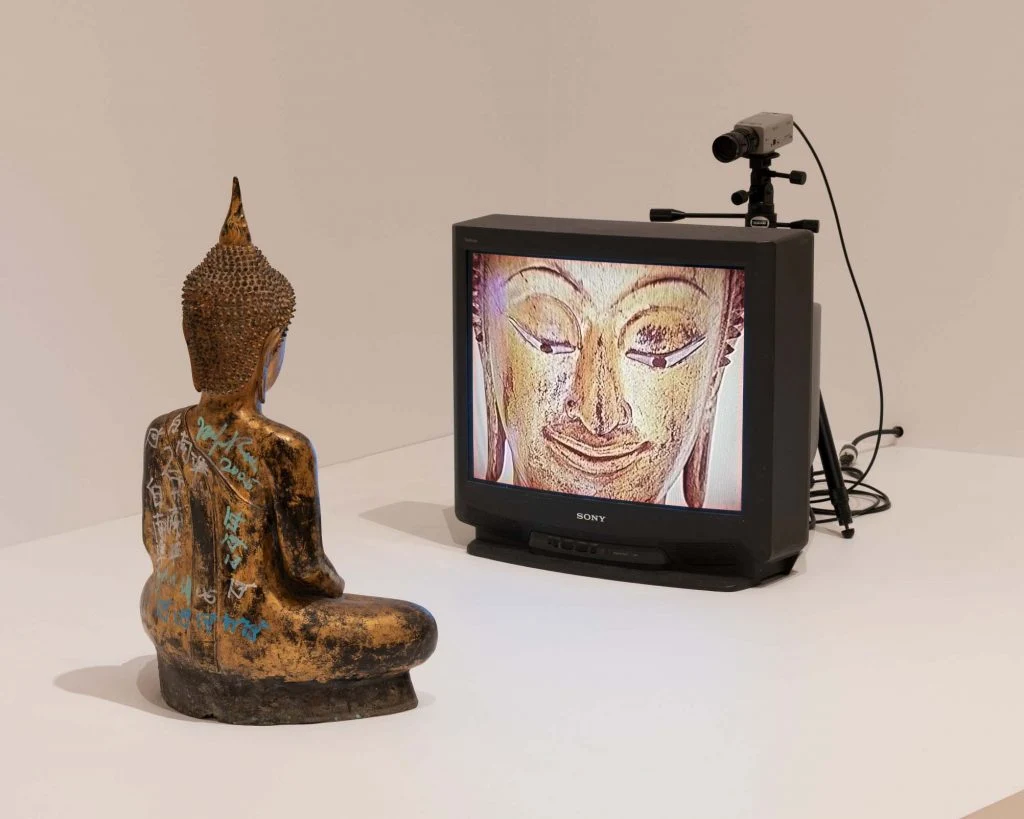
On April 1, Gagosian will stage a solo show of Paik’s work in Seoul, where the artist was born in 1932, in what was then Japanese- occupied Korea. Titled “Nam June Paik: Rewind / Repeat,” it brings about a dozen pieces to the APMA Cabinet , a project space that Gagosian has been using periodically for exhibitions. It’s located in the luxe headquarters of the art-collecting beauty giant Amorepacific , which also has a museum.
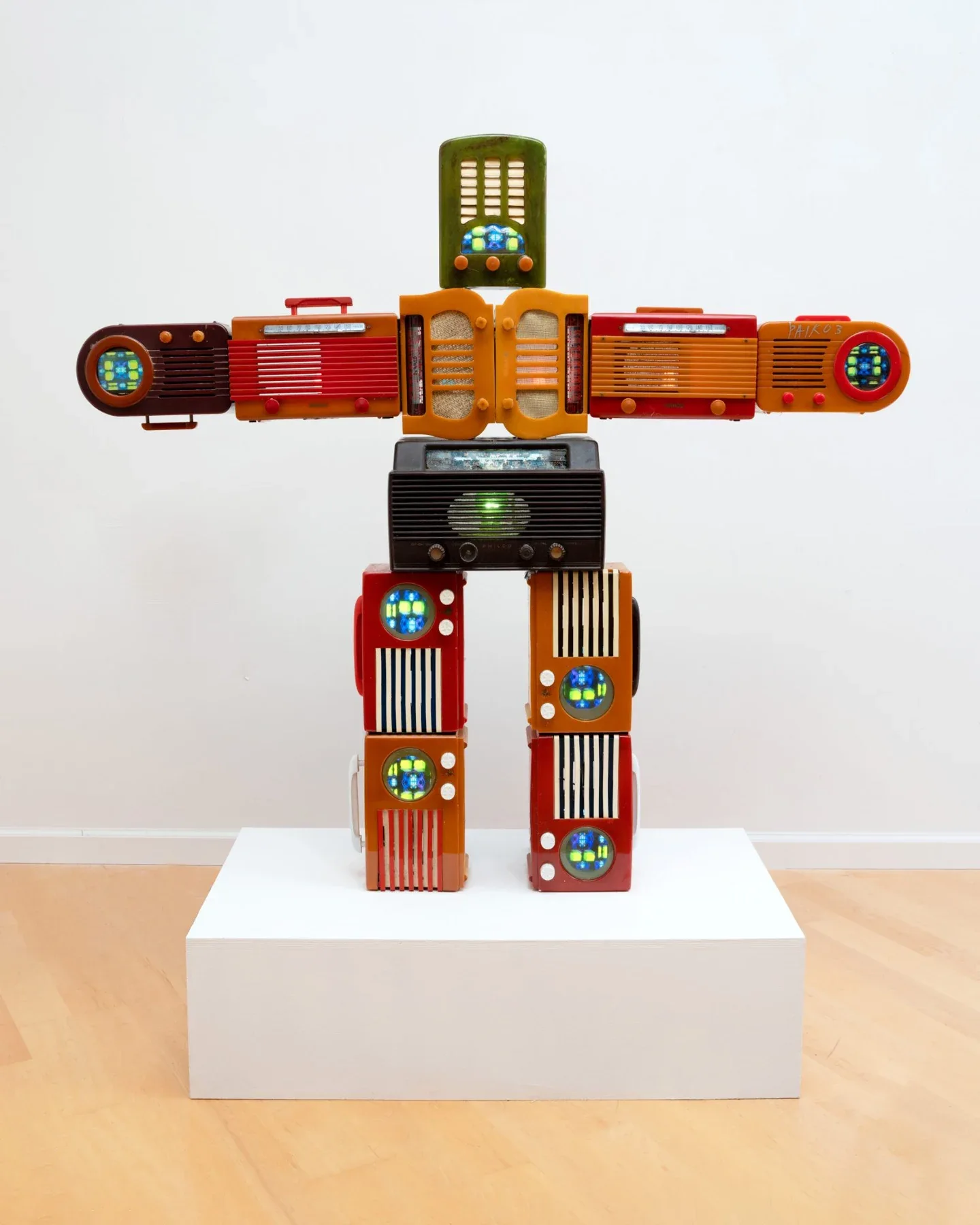
In Korea, “it’s been 25 years since there’s been a Nam June show that involved either the artist or the estate,” Nick Simunovic , Gagosian’s supremo for the Asian market, said in an interview from Hong Kong, where he was gearing up for Art Basel and a solo show by Mary Weatherford at the gallery’s outpost. The material in the Paik exhibition is coming from the estate, and it spans the length of his career. Some of it has never, or only rarely, been presented in public.
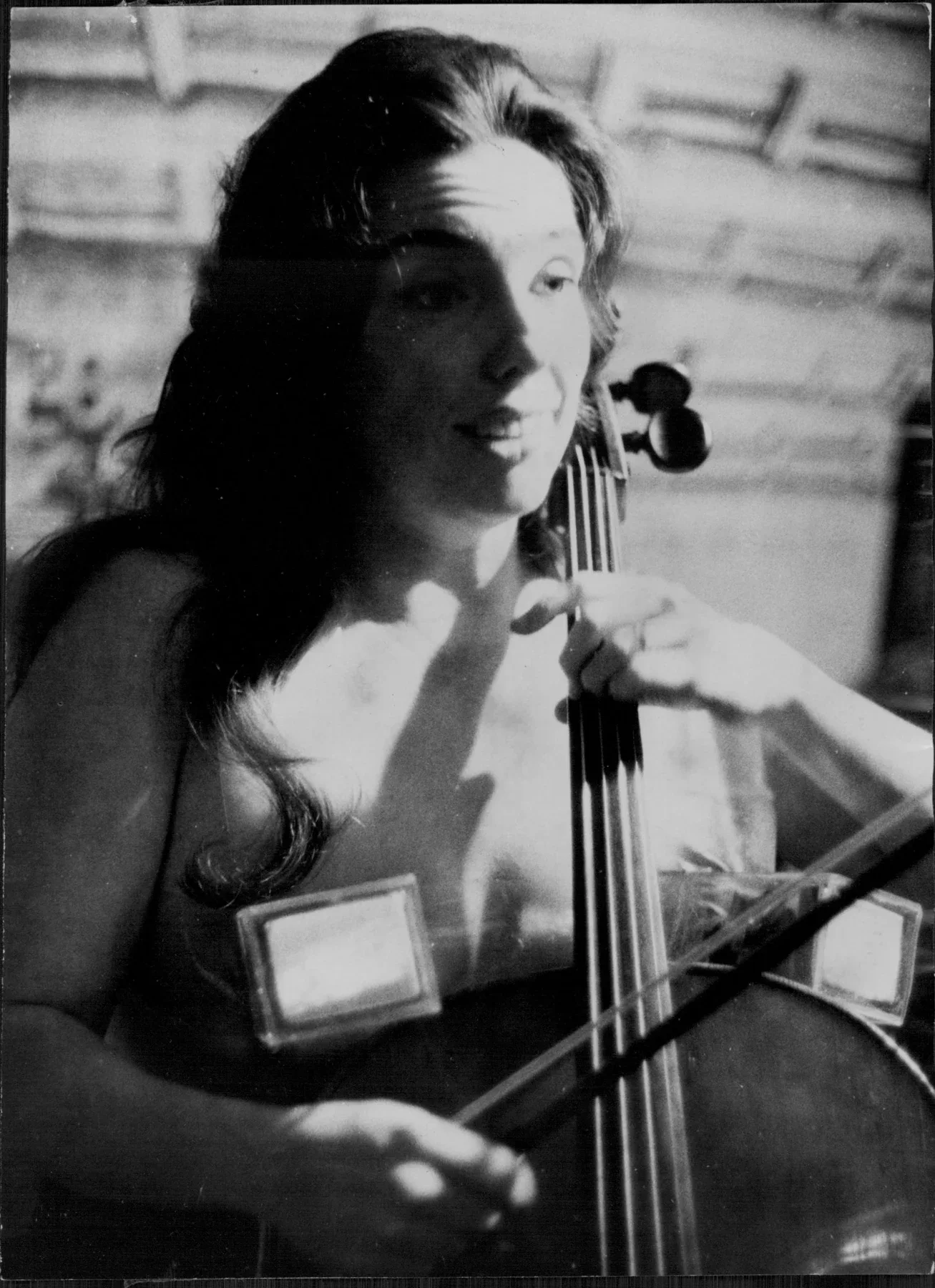
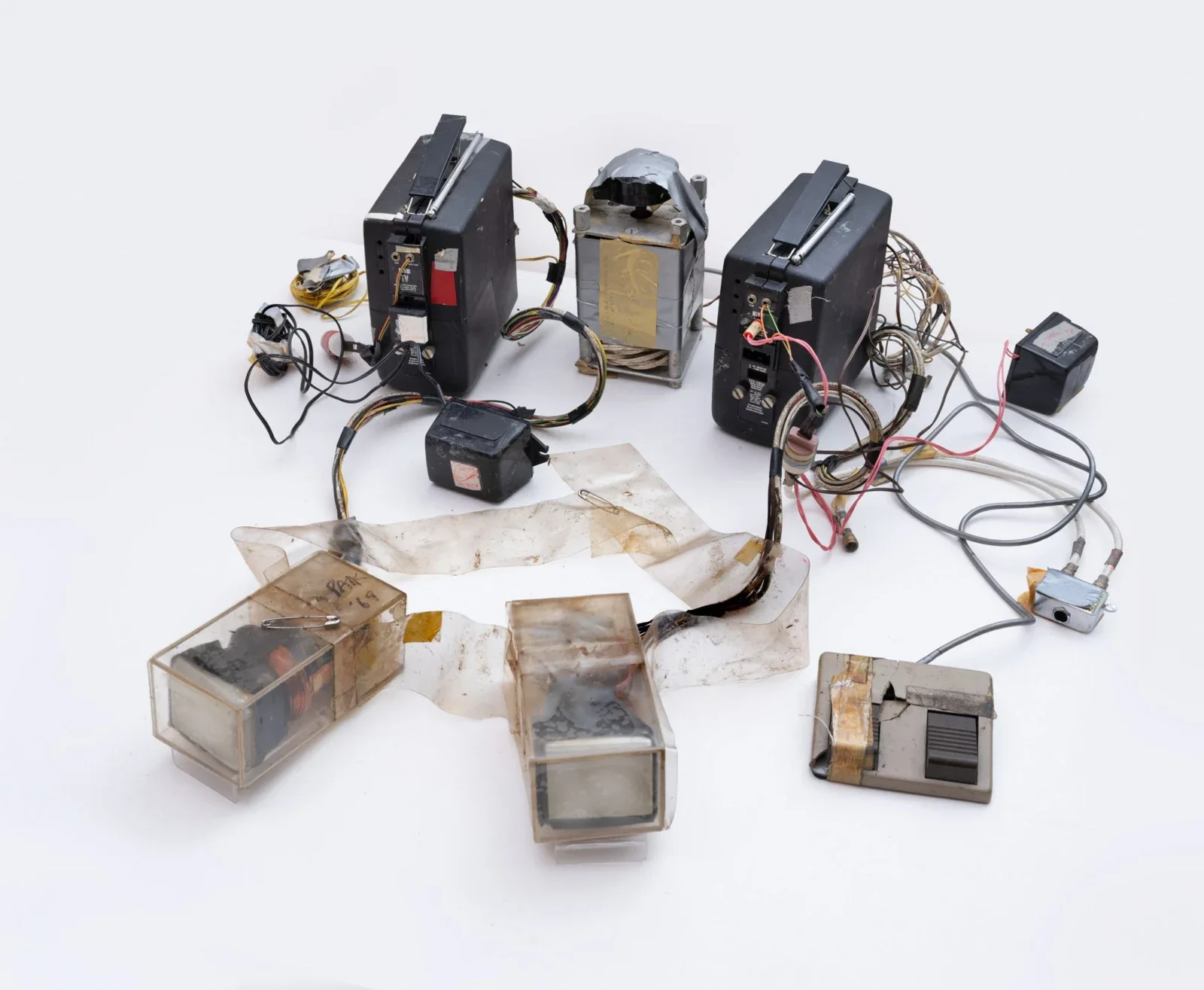
The offerings include a very early construction, Media Sandwich (1961–64), which incorporates Japanese phonograph records, German electronics magazines, and a 19th-century print, and the fairly self-explanatory TV Bra for Living Sculpture (1969), which was famously worn by the cellist and performance artist Charlotte Moorman to considerable controversy. “Korea has a lot of Nam June pieces, but nothing this old and of this importance,” Hakuta said.
Works from the 1960s and ‘70s are “quite rare,” he said, “because back then, especially, he was not able to sell many of the works.” Often, after a show, “a piece was cannibalized,” he said, meaning that expensive electronic parts were repurposed to produce something new.
Gagosian and the estate began working together in 2015, and in recent years many museums have been snapping up Paiks, like the Metropolitan Museum of Art in New York, the Hirshhorn Museum and Sculpture Garden in Washington, D.C., and the Guggenheim Abu Dhabi . The artist “was a huge gap in so many important collections,” Simunovic said.
“We want to get the best works to the museums—and then we disappear,” Hakuta said, speaking of the estate. “I certainly don’t want to make Nam June Paik the problem for my children.”
Hakuta sold toys and herbal medicine, but some middle-aged adults may recognize him as Dr. Fad , the host of a popular TV show devoted to kids’ inventions called The Dr. Fad Show that ran from 1988 to 1994. He advised Paik later in the artist’s life on various logistical matters (an I.R.S. inquiry, in one case), but he also has a keen understanding of the artist’s practice.
“A telltale sign that something is an early work made my Nam June is that it’s badly made,” Hakuta explained. Later on, his Japanese engineer-collaborator Shuya Abe took a more professional approach to fabrication.
The TV Bra in the show “is like a high school art project,” Hakuta said, approvingly. “This is his handiwork.”
Read the argument alongside market data
Source & reading notes
Gagosian Preps Nam June Paik Show in Seoul
Andrew Russeth · Artnet News · 2026-03-11
The English reading retains the supplied article’s wording, with navigation, advertising and recommendations removed. The Chinese edition is an editorial guide, not a parallel translation. Observations refer to the publication date. Art Value Lab commentary does not represent the author’s views. Image rights remain with their respective owners.