Why a New Generation of Collectors Is Chasing 20th-Century Modernism
Expect this fall's auction season to reward quality over quantity.
Original author · Jussi Pylkkänen
Artnet News / Artnet Pro ·
Reading & commentary · Art Value Lab
Original reading · 01
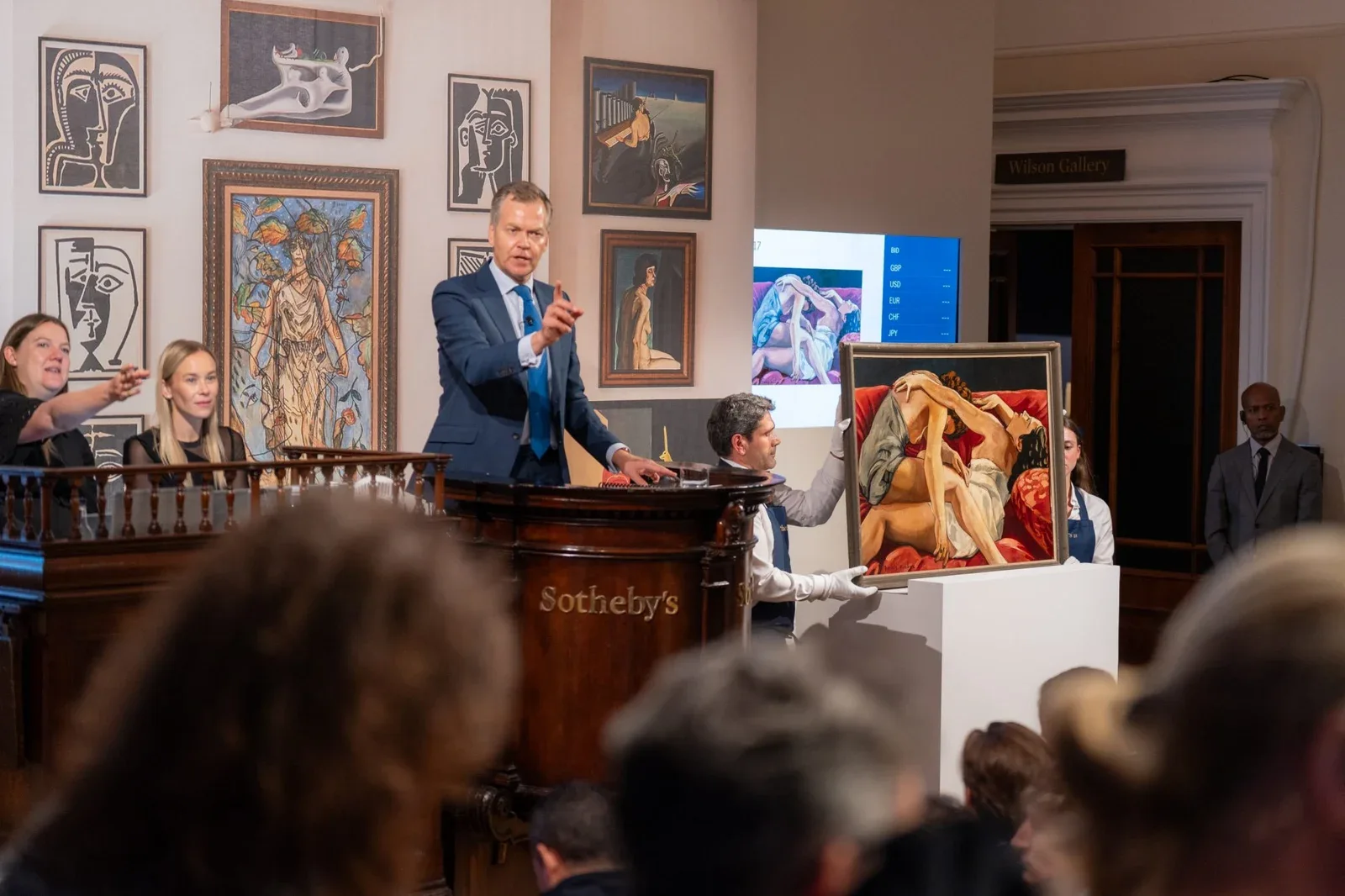
The first of September traditionally opens the fall art season as the collecting world returns from its summer break to a cascade of major events: Frieze Week and the London auctions in mid-October, Art Basel Paris a week later, followed by New York’s marquee auctions in November. Around $2 billion worth of art could change hands in just six weeks, charting the market’s course of travel for months to come.
This season, the message from longtime collectors is very clear: They want to set speculation aside, avoid short-lived fashion, and focus on the blue-chip artists who sit firmly in the accepted canon. What’s more, established collectors have been joined by a significant group of new-generation buyers whose tastes are also changing. Many have been active buyers at fairs like Frieze and Art Basel, snapping up contemporary works from high-powered dealers with excellent rosters of young artists. As those dealers have increasingly shown secondary-market works by more established artists in recent years, their collectors’ focus has shifted, too—the most ambitious are now looking for major works by the best artists of the 20th century.
This shift helps to explain the recent hike in prices for oils and works on paper by the likes of Pablo Picasso, René Magritte, Roy Lichtenstein, Andy Warhol, and Joan Miró. The timing of this is serendipitous given the fact that over the past year, more than 30 estates in America and Europe divested themselves of a huge variety of major Modernist artworks and more are to come this autumn. Buyers are facing a unique opportunity as these long-held collections of classic Modernism cascade into auction. With strong, sensibly priced material on offer and real appetite from both established buyers and new global collectors, London and New York could be in for fireworks this season.
A Chain Reaction
Recent successes have already set off a chain reaction of major discretionary sales. Sotheby’s $392.6 million Lewis Collection sale in June and the $136 million Pauline Karpidas Collection last September are good examples. They both hugely outperformed their conservative estimates—all four major works my firm Art Pylkkänen bid for in the Lewis sale flew well beyond our highest expectations—and provided a perfect illustration of the chain effect pushing the market relentlessly forward. I also expect the markets for the great American postwar artists to strengthen in November. It will be interesting to watch whether Lichtenstein prices consolidate and whether the likes of Warhol, Joan Mitchell, and Willem de Kooning continue to rise.
Only about 120 artists forged or led key artistic movements in the 20th century, and perhaps only 30 have hit the mark so far in the first quarter of the 21st. These frontrunners are driving today’s breakaway prices, which is why two newly announced masterpieces by Piet Mondrian and Wassily Kandinsky , both heading to Christie’s London this October, will be worth watching in the current hot market for rare, museum-quality works. (Christie’s will be hoping that these two works perform very well to respond to the huge successes of Sotheby’s sales in June.)
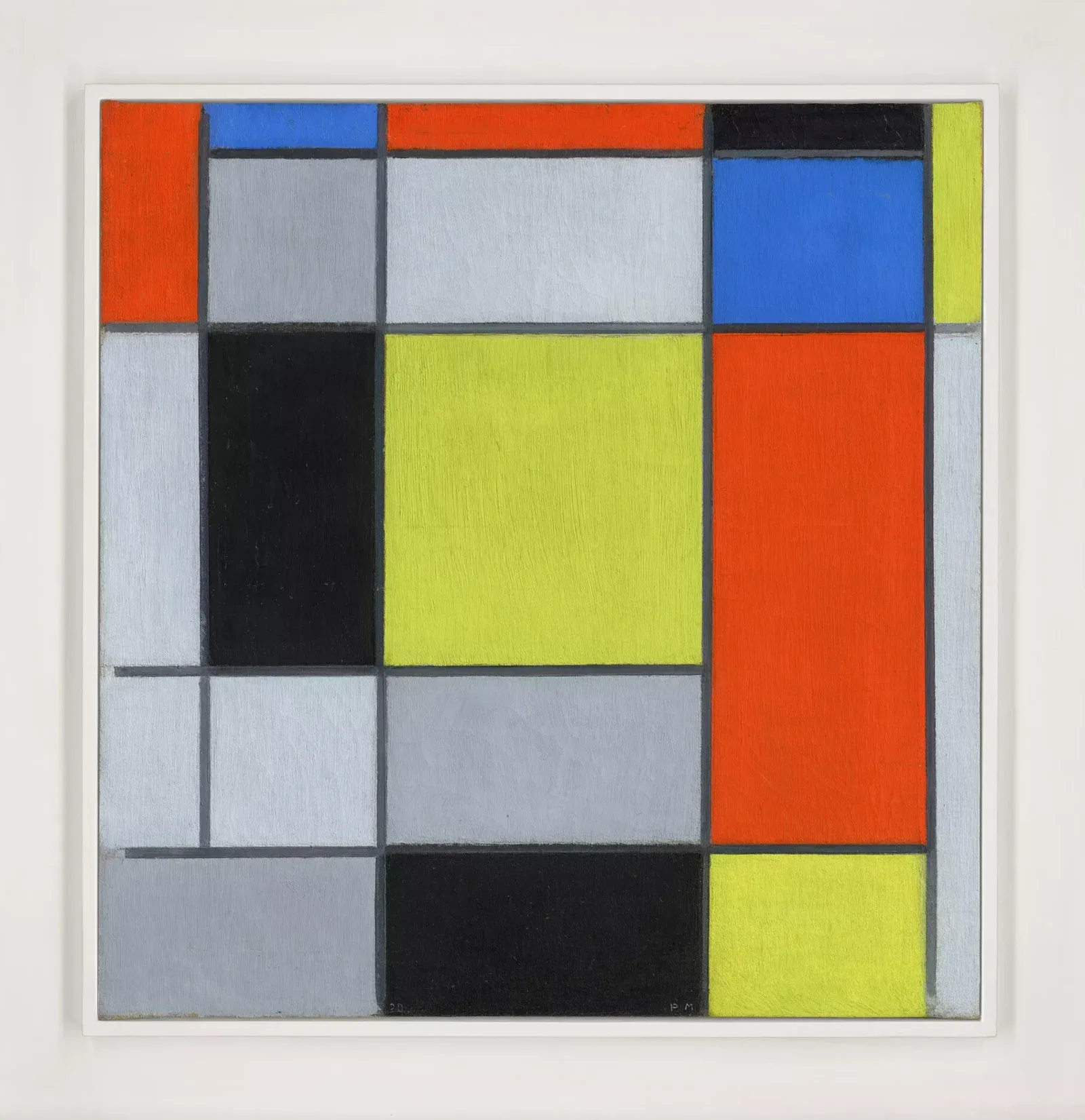
Christie’s Vice Chairman of 20th Century Art Keith Gill said in a press release that Mondrian’s Composition III is one of the last works still in private hands from 1920—the year the artist felt he’d finally distilled the essence of beauty into a series of just eight paintings. Five of the eight now hang in major museums; this one hung for years at the Kaiser Wilhelm Museum in Krefeld. As a pioneer of nonobjective painting and father of abstraction, Mondrian appeals to buyers of both classical Modernism and contemporary art. Given the new shift in buying tastes, this painting will put established collectors and the new generation in direct competition. The question is, who will win it, and at what price? The last great 1920s Mondrian at auction was sold from the celebrated S.I. Newhouse Collection and was bought by a new Asian collector for considerably more than the £20 million ($27 million) low estimate quoted by Christie’s for the present painting .
Original reading · 02
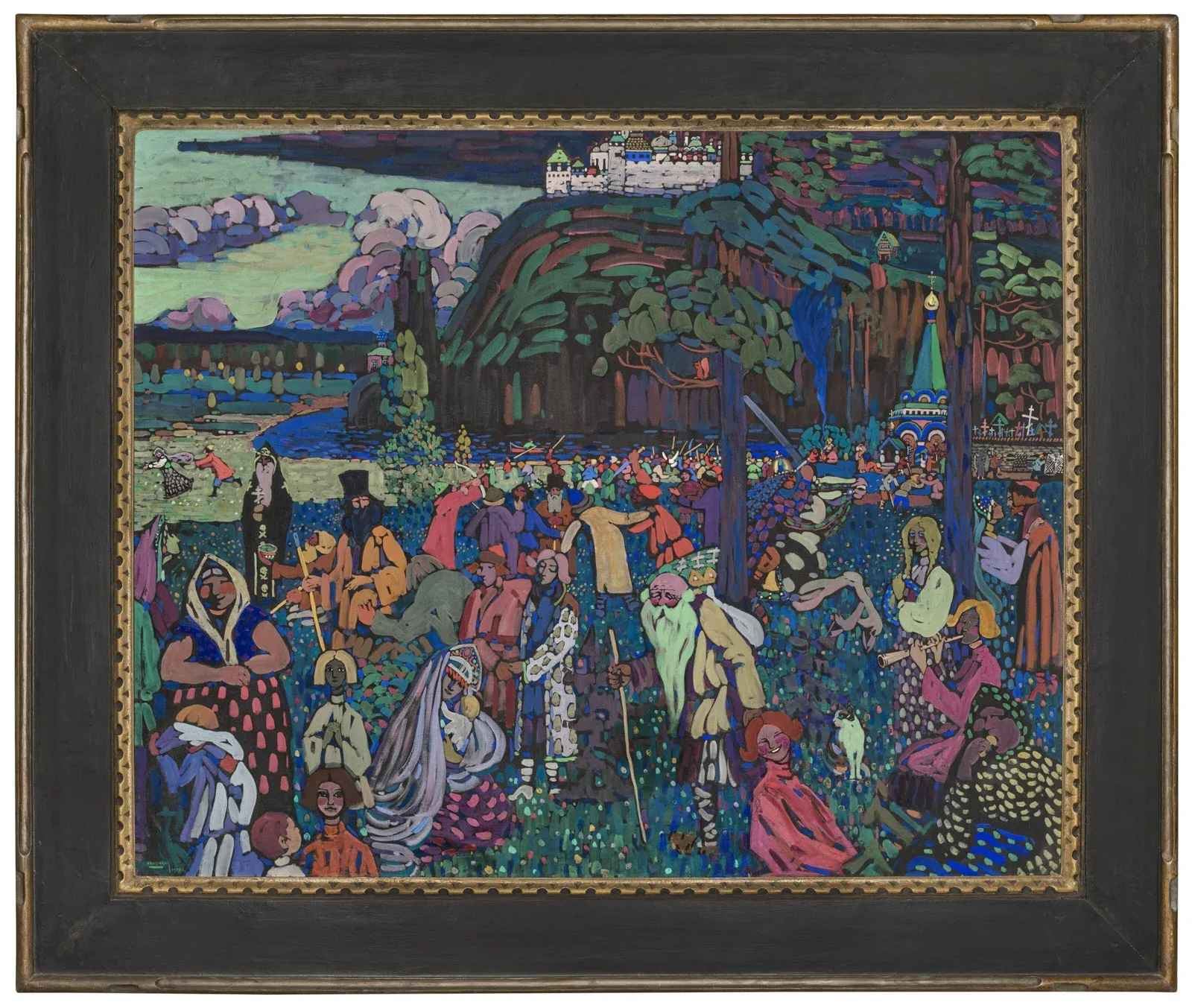
Kandinsky’s Das bunte Leben (A Colorful Life) hung at the Lenbachhaus for many years before its restitution last year to the heirs of Hedwig Lewenstein-Weyermann . The huge 1907 canvas has a feel-good subject, a great history, and wonderful condition—all factors favoring its $30 million estimate, which seems spot on. Early works have traditionally been chased by Swiss, German and Russian collectors. With arguably the most potent of these, the Russians, out of the market, museums or savvy collectors may have a rare opportunity to buy such a picture at a very sensible price.
Alongside these two major works, I’ve learned through the trade that a major collector will be consigning a significant group of Modernist works to London this season. Details are still to come, but a rich and broad single-owner collection will offer further clues on how collecting tastes are developing.
The Pursuit of Quality
New York’s November sales will feature several major estates and seem set to be dominated by high prices for the greatest artists of the 20th century, testing the market for great Impressionist and Post-Impressionist paintings, too. The Blaquier Collection is yet to be formally announced, but Artnet’s Katya Kazakina revealed last month that Sotheby’s New York will offer a significant number of its major works—exceptional-quality pieces by canonical early Modernists like Vincent van Gogh, Paul Cézanne , and Edgar Degas . History tells us that exceptional works by leading artists that have not been seen on the market for 50 years create huge competition, breathing life into the broader market. If estimates are enticing, the Blaquier Collection should perform very well.
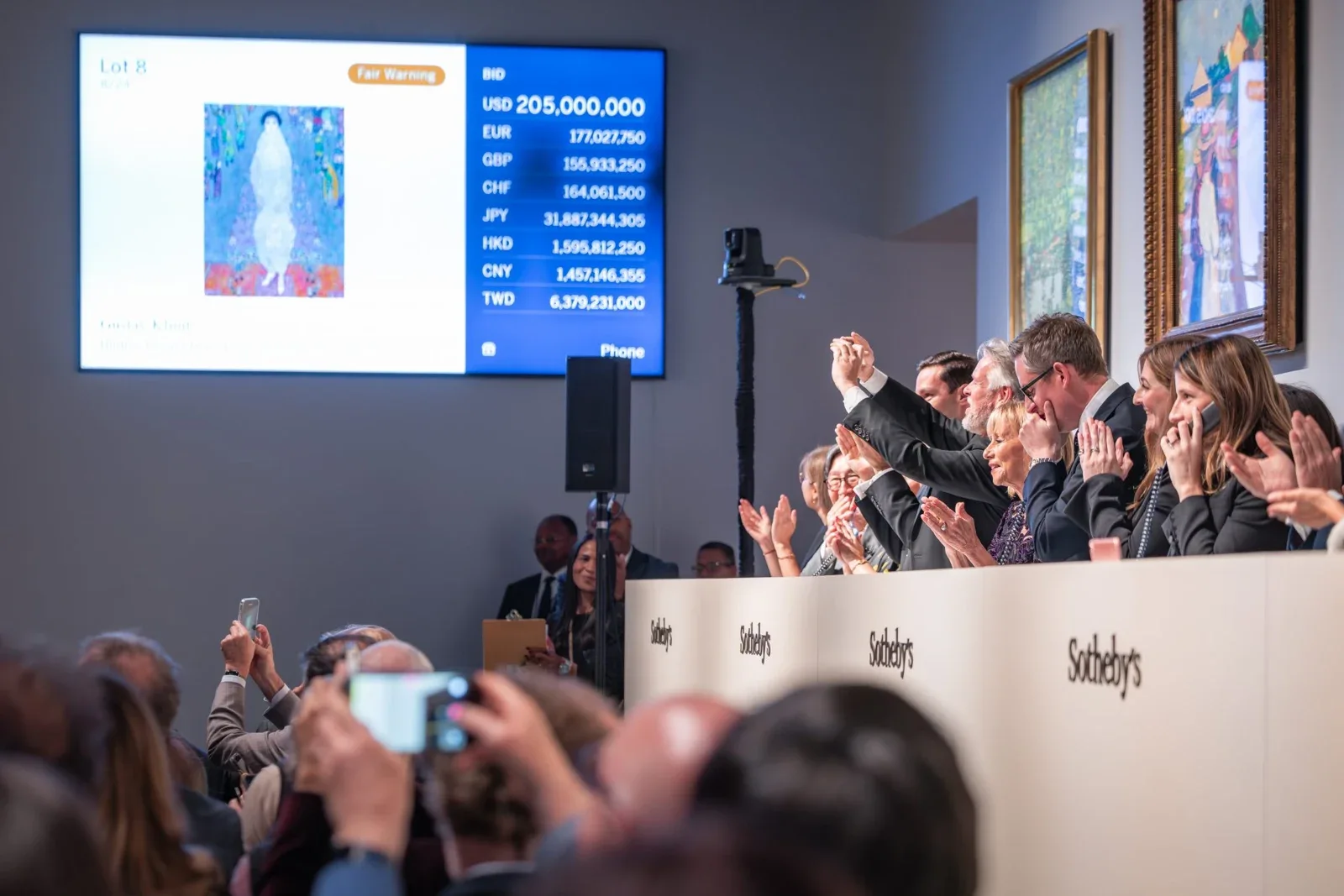
Three consecutive seasons—New York in November 2025 and May 2026, London in June 2026—clearly show that today’s top collectors are enthusiastically chasing the best paintings in every sale, which subsequently outperform even the highest expectations. The value of the art market is being driven by paintings being traded between $20 million and $100 million. In the last 36 months, Christie’s has sold Magritte and Van Gogh in private auctions at these levels, while Sotheby’s has publicly sold Klimts and Matisses belonging to Leonard Lauder and Modiglianis, Picassos, Bacons, Magrittes, and Freuds from the Lewis Collection. Dealers and advisors have also handled works by Picasso, de Kooning, Claude Monet, André Derain, Jean-Michel Basquiat, and Mark Rothko at these price points.
Put simply, there is a return to order underway. Knowledgeable collectors have returned to compete for the best classic modern works and are confident paying high prices as the pool of major paintings by these great artists becomes ever smaller.
I think that the autumn sales in London and New York will continue this pursuit for paintings of the finest quality. The wise money goes after the best art, even if it appears expensive at the time of purchase.
Jussi Pylkkänen spent 37 years at Christie’s as a 20th-century art specialist and auctioneer, serving as global president from 2014 to 2023 before co-founding the advisory Art Pylkkänen in 2024. He has sold some of the most expensive paintings in the world, including the $450 million Salvator Mundi.
Read the argument alongside market data
Source & reading notes
Why a New Generation of Collectors Is Chasing 20th-Century Modernism
Jussi Pylkkänen · Artnet News · 2026-09-03
The English reading retains the supplied article’s wording, with navigation, advertising and recommendations removed. The Chinese edition is an editorial guide, not a parallel translation. Observations refer to the publication date. Art Value Lab commentary does not represent the author’s views. Image rights remain with their respective owners.