11 / 19 · Collections and public purpose
How do private collections enter public life?
If a museum admits the public, does that mean its artworks belong to the public?
In this chapter
A painting can hang in a home, travel on loan or enter a museum through a gift. A change of setting does not necessarily change ownership. A change of ownership does not promise permanent display. Keeping these distinctions clear helps us understand how private collecting becomes part of public cultural life.
The reasons for opening a collection may include pleasure in sharing, support for scholarship, family memory, reputation and institutional incentives. Public value is easier to assess through concrete arrangements than through guesses about inner motives: who gains access, who can ask questions, and how long can the commitment last?
Four separate judgments
From private property to public responsibility
Display and ownership
Visible condition
A work appears in a public gallery.
Arrangement to understand
Identify a loan, gift or accession.
Who can decide where the work goes next?
Assets and operations
Visible condition
The collection or building is valuable.
Arrangement to understand
Examine usable operating resources.
Who pays for care, research and staff?
A founder’s wishes
Visible condition
Preserve a personal collecting vision.
Arrangement to understand
Plan future governance and public use.
How can a vision endure while admitting new knowledge?
Collection breadth
Visible condition
Many cultures share one building.
Arrangement to understand
Examine missing contexts and voices.
What does juxtaposition explain, and what does it obscure?
Ownership, governance, funding and access may involve different parties.
Who owns, who governs, who can enter?
Private and public are not simply two kinds of sign above a door. Families, companies, foundations, nonprofit organizations and governments may participate in different parts of a museum. Publicly displayed works can remain privately owned. An institution founded by a collector can have a governing board and a public mission. Examine ownership, governance and access separately.
A loan normally enables display or study for an agreed period. A gift involves a transfer that may carry conditions, while a promised gift is not necessarily a completed accession. Private museums cannot simply be assumed to lack research or conservation responsibilities. Their obligations and capacity must be assessed through their actual mission, rules, governance and resources.
Public institutions carry traces of private choices
The British Museum’s history records its establishment by Parliament in 1753 and opening in 1759, with private collecting central to its formation. A public institution does not begin from a neutral blank page. Collectors’ resources, travel and relationships, together with wider imperial and commercial networks, shape what later generations inherit.
The Frick Collection developed from a private home and collection; its museum and purpose-built library opened in 1935. Domestic scale and personal taste became part of the experience, while research infrastructure extended the collection’s use. These histories show different routes to institutional life, each requiring changes in space, knowledge, rules and long-term support.
Breadth of collection and depth of encounter
Encyclopedic museums bring objects from different periods and places into one institution, enabling comparisons across materials, techniques and ideas. The Louvre, the Metropolitan Museum and the British Museum often figure in this discussion. Their breadth can support research and exchange, but no institution can represent every culture completely. Categories and displays always involve selection.
A focused collection can explore a sustained interest in depth, with its boundaries more visibly defined. Both models face questions about displaced context, missing voices and hurried visits. Ask what becomes visible through juxtaposition and what remains outside the collection’s frame. An intimate display is not automatically narrow, nor a vast collection automatically inclusive.
Who supports a museum beyond the ticket desk?
Resources may include public grants, individual and corporate donations, foundations, memberships, admissions, shops and licensing. Accounting categories and proportions vary, so one revenue percentage cannot describe the sector. Receiving an expensive work does not supply cash for salaries. An in-kind gift may create additional insurance, storage and conservation commitments instead.
An endowment connects assets to a long-term mission, with spending shaped by restrictions and investment and distribution policies. It is not an unrestricted bank balance. Board oversight includes finances, mission and conflicts of interest. Funding enables public service, while undisclosed influence over research or exhibitions can undermine the independence that makes such service credible.
Accepting a gift means accepting future work
Before accepting a gift, a museum needs to consider mission fit, ownership history and its ability to study, store, handle and display the work. Collection capacity is more than available shelf space. Requirements for perpetual display or restrictions on reinterpretation may conflict with conservation, developing scholarship and the needs of other audiences.
Some systems encourage transfers into public collections through tax arrangements, including the UK’s distinct Acceptance in Lieu and Cultural Gifts Scheme routes. This does not mean every donation or private museum receives the same treatment. For understanding institutions, the central issue is how an incentive produces a public benefit, alongside any benefit to a donor.
Leave a building, or a lasting relationship?
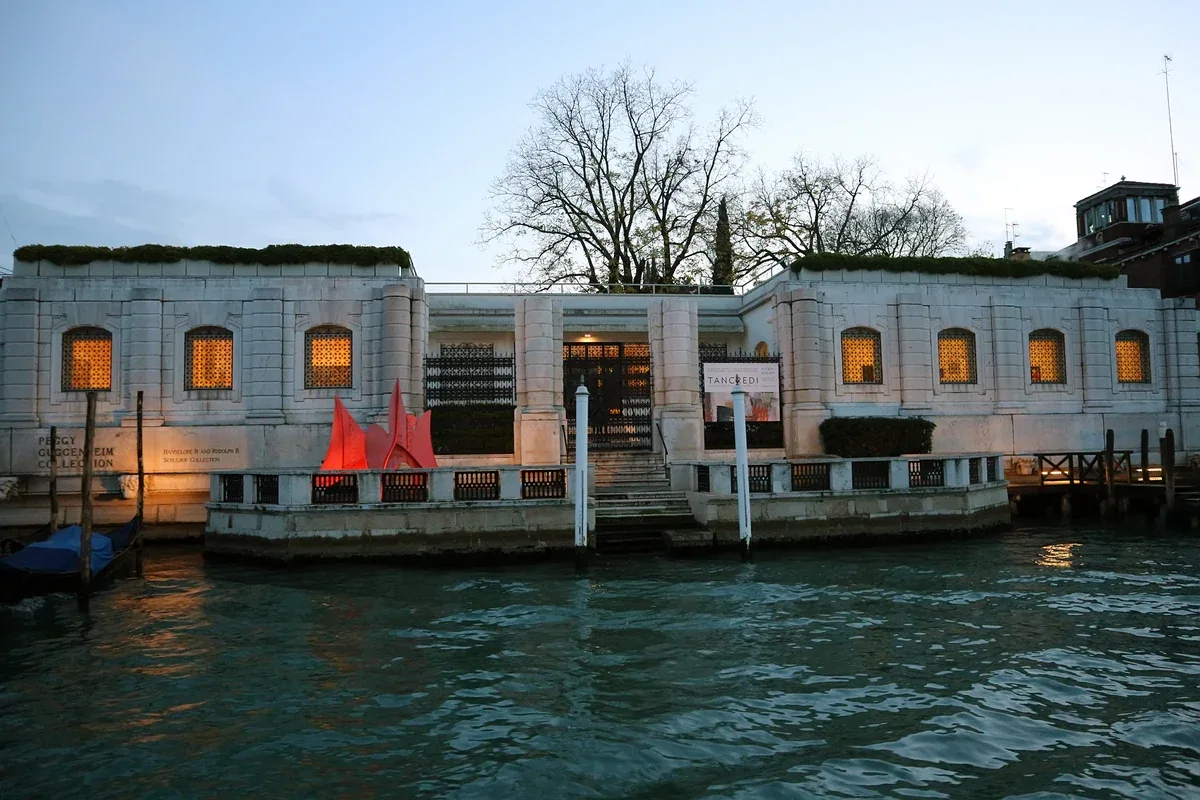
Founding a museum can preserve a collection’s coherence, extend a founder’s display ideas and create a cultural destination. The harder questions begin after opening: who pays operating costs, how does succession work, and can research, education, conservation and administration continue? Impressive architecture and numerous artworks cannot answer these questions by themselves.
Public use also happens beyond the galleries through research services, loans, community partnerships and digital collections. Digitization still requires cataloguing, rights work and maintenance. Ask whether the arrangement lets different people return, develop new interpretations and pass both knowledge and care capacity to a future generation.
READING COMPANION
A few useful terms
- Public access
- Opportunities for the public to encounter works and knowledge, distinct from ownership or state funding.
- Encyclopedic museum
- A museum organizing collections across many periods and places; breadth does not imply completeness or neutrality.
- Board governance
- Institutional oversight of mission, resources and responsibilities, with powers varying between organizations.
- Endowment
- Assets held and managed for institutional purposes, with spending governed by applicable restrictions and policies.
- In-kind gift
- Support provided as objects rather than cash, potentially creating ongoing care costs.
- Collection capacity
- An institution’s capacity for research, documentation, care, management and public use of collections.
YOUR TURN
A donor offers an entire museum building without an operating budget. What else do you need to judge its public value?
Consider another way to think about it
Ask about sustained income, governance and succession, collections, staffing, maintenance and practical access. A building can be a valuable beginning. Continuing opportunities to learn and the capacity to care for works turn a one-time gift into a durable public service.
TAKE THIS THOUGHT WITH YOU
A collection becomes a public resource through clear rights, sustainable care and accountable institutions, as well as an open door.
Reading notes & references
Art Value Lab has reworked the supplied English and Chinese art-business course transcripts into this guide, reorganising its structure, examples and questions and checking key concepts against the references below.
FURTHER READING · 1 FEATURES
Connect the ideas
Continue into people, works and research.