ART VALUE LAB · ART MARKET ESSENTIALS
How does art find its place in the world?
Begin with an artwork: meet the people who support it, the institutions through which it travels, and the tools changing how we see and trade it.
19 CHAPTERS + 28 FEATURES
Beyond the painting, a whole world.
What choices sit behind a painting’s creation, exhibition and collection? Start here to see relationships beyond prices, and to make more sense of art-world news and interviews.
Begin chapter oneBrowse the chaptersChoose a question to explore
Read in sequence or follow your curiosity.
Understand the art world
Discover the relationships behind works through people, history and technology.
- 01
Meet the people
Who makes the art world work?
Follow an artwork through the relationships between artists, galleries, collectors and museums.
Read this chapter - 02
Trace the institutions
From patrons to global markets
Trace patronage, collecting and exhibitions to understand how art markets took shape.
Read this chapter - 03
Explore the changes
How does technology change the art trade?
From online viewing rooms to AI: explore what tools make possible, and what still calls for human judgement.
Read this chapter
FURTHER READING · 6 FEATURES
BEYOND CHAPTER 03
How AI changes cultural work
Follow AI through creation, curation, collections and market analysis, distinguishing useful assistance from evidence and responsibilities that people must supply.
Read the featureBEYOND CHAPTER 03
AI art: separate the legal questions
Use judgments, registration decisions and legislation to distinguish human creation, model training, output use and contracts without turning one case into a global rule.
Read the featureBEYOND CHAPTER 03
Connected museums: from sensing to care
Understand how the Internet of Things connects environments, collections, visitors and building operations, turning readings into accountable action.
Read the featureBEYOND CHAPTER 03
Entering virtual worlds: art, communities and continuity
Explore shared spaces, augmented reality, virtual curation, trading rights and preservation to understand how digital art experiences work.
Read the featureBEYOND CHAPTER 01
Map an art career by following a work
Explore research, sales, stewardship and public service through the handoffs and concrete work samples behind art-world roles.
Read the featureBEYOND CHAPTER 01
Making an art career sustainable: skills, pay and working conditions
Evaluate tasks, costs, boundaries and collaboration across technological change, freelance projects and institutional work.
Read the featureUnderstand works and value
Connect how works are made and preserved with how judgements of value take shape.
- 04
Making and media
How can reproducible works be collected?
Explore editions, collecting and care through photography, video and performance.
Read this chapter - 05
Understanding value
Why does an artwork have this price?
Examine how purpose, object records and comparable transactions inform valuation.
Read this chapter
Step into the market
Explore galleries, auction houses and art fairs, then practise reading real situations.
- 06
Galleries and circulation
How do galleries support artists and keep art circulating?
Distinguish first sales from resales and explore how galleries organise support.
Read this chapter - 07
The work of auction houses
Inside auction houses: before and after the hammer
Follow an artwork from consignment and research to sale and handover.
Read this chapter - 08
Exploring art fairs
How do art fairs bring works and people together?
Explore how participation, costs and booth proposals bring works and people together.
Read this chapter - 09
Cases from the fair
Inside the booth: bringing market knowledge to the fair
Read four NADA booth cases and distinguish observation, explanation and inference.
Read this chapter
FURTHER READING · 6 FEATURES
BEYOND CHAPTER 07
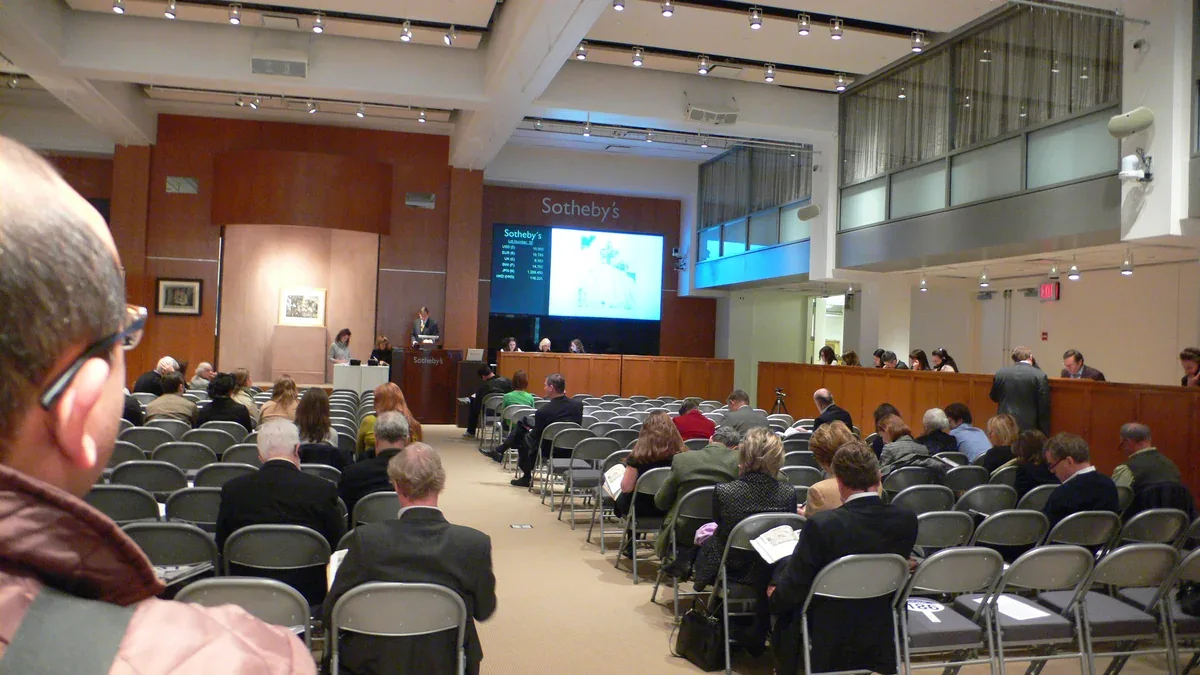
How do auction prices climb?
Read the rules and blind spots: from bidding and guarantees to payment, distinguish numbers, evidence and inference.
Read the featureBEYOND CHAPTER 07
From consignment to the saleroom: reading prices, guarantees and disclosures
Follow a work through consignment, bidding and settlement to understand fees, reserves, guarantees, withdrawal statistics and New York’s 2022 regulatory changes.
Read the featureBEYOND CHAPTER 07
Why do handbags, watches and art share an auction house?
Explore brands, craft and cross-collecting, and distinguish knowing a model from understanding an object and assessing a transaction.
Read the featureBEYOND CHAPTER 08
How do biennials make art visible?
From Venice’s national pavilions to city-based exhibitions, trace how curating, funding and encounters create visibility, and examine the distance between visibility and market prices.
Read the featureBEYOND CHAPTER 06
How is an artist remembered? From artistic voice to public identity
Explore style, narrative, social media, commissions and collaborations through artists’ examples, and distinguish visibility from questions of art, rights and ethics.
Read the featureBEYOND CHAPTER 06
How can artists and galleries build a lasting partnership?
Explore partner selection, representation, consignment and payments alongside exhibitions, fairs, digital sales and disagreements to understand the work that sustains a partnership.
Read the featureCollections and museums
Follow collecting motives into public access, curatorial choices and museum responsibilities.
- 10
Collecting motivations
What are we seeking when we collect art?
Explore pleasure, community and money, then examine buying routes and new forms of ownership.
Read this chapter - 11
Collections and public purpose
How do private collections enter public life?
Trace the move from private choices to public institutions through access, ownership, funding and long-term responsibility.
Read this chapter - 12
Museums and communities
Whom does a museum serve today?
Move from entering and understanding to participating, through access, digital work, provenance research and restitution.
Read this chapter - 13
An exhibition as a case study
Learning from Brooklyn: how does an exhibition welcome you?
Use the 2024 Giants exhibition and the supplied curatorial interview to examine selection, scale, interpretation and design.
Read this chapter
FURTHER READING · 9 FEATURES
BEYOND CHAPTER 11
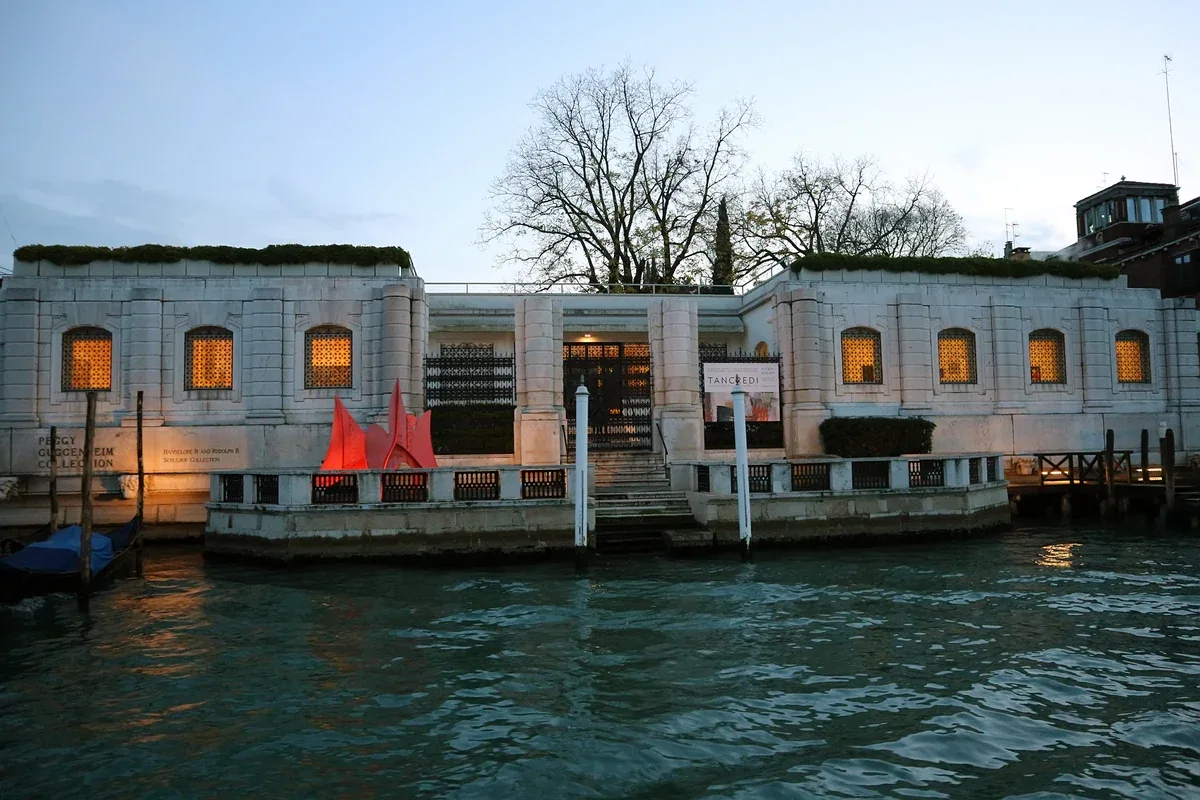
Four approaches to collecting
Explore how Shchukin, Peggy Guggenheim, the Vogels and Saatchi connected personal choices with artistic production, exhibitions and public access.
Read the feature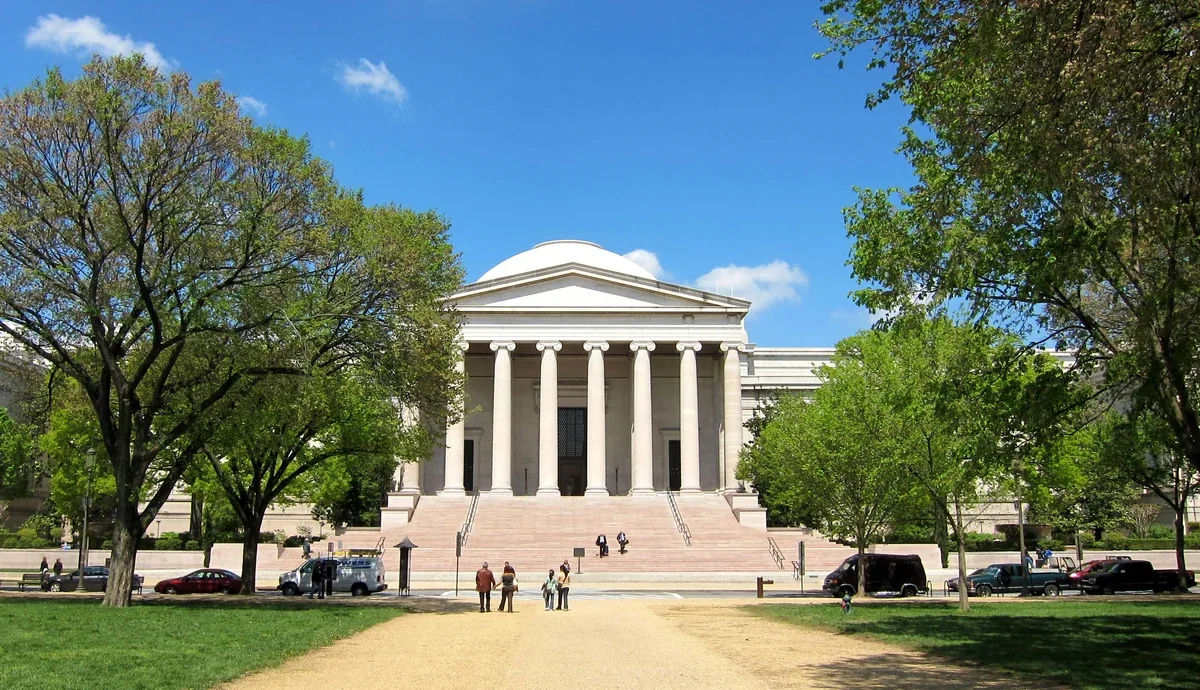
BEYOND CHAPTER 12
Who supports museums?
Look beyond admission income to understand how collecting, donations and sponsorship relate to a museum’s public mission.
Read the featureBEYOND CHAPTER 12
How do museums and collectors make responsible choices?
Follow provenance checks, deaccessioning, donations and conflicts of interest to understand how ethical codes inform daily decisions and how their role differs from law.
Read the featureBEYOND CHAPTER 12
What can an art institution leave without a permanent collection?
Explore the non-collecting Kunsthalle model: supporting contemporary art through exhibitions, commissions and public programmes, with its flexibility, costs and continuing responsibilities.
Read the featureBEYOND CHAPTER 12
How can cultural institutions earn public trust?
From digital resources, access and shared interpretation to funding and environmental responsibility, examine how cultural institutions turn a public mission into practices people can assess.
Read the featureBEYOND CHAPTER 12
How do phygital exhibitions create and distribute value?
Connect physical venues, online content and sales channels to examine the curation, income, rights and maintenance behind immersive experiences.
Read the featureBEYOND CHAPTER 12
From AR to viewing rooms: how do interfaces shape art experiences?
Distinguish AR, VR and XR through artworks involving bodies, space and interaction, then examine online display, audience records and preservation.
Read the featureBEYOND CHAPTER 12
How can curating address social questions? Representation and accountability
Explore Asco, AIDS activist graphics, Fred Wilson and exhibition controversies to examine how selection, hiring, collecting and public responses reshape art history.
Read the featureBEYOND CHAPTER 12
Kimberly Drew’s cultural work: making names visible and stories last
Follow Drew’s blogging, museum communication, two books and gallery experience to connect access, digital memory, audience relationships and cultural labour.
Read the featurePrices, transport and ownership
Read what prices measure and understand how works are cared for, moved and lawfully transferred.
- 14
Read price evidence
Read the evidence behind a price
Move from a sale record to the full cost: clean data, choose comparisons and identify what the numbers leave out.
Read this chapter - 15
Movement and care
How does an artwork reach its next stop safely?
Follow packing, transport, insurance, customs and storage to understand the care behind circulation.
Read this chapter - 16
Rights and responsibility
Does holding an object mean owning it?
Separate possession, title and copyright, and connect provenance research with responsible transfers of cultural objects.
Read this chapter
FURTHER READING · 6 FEATURES
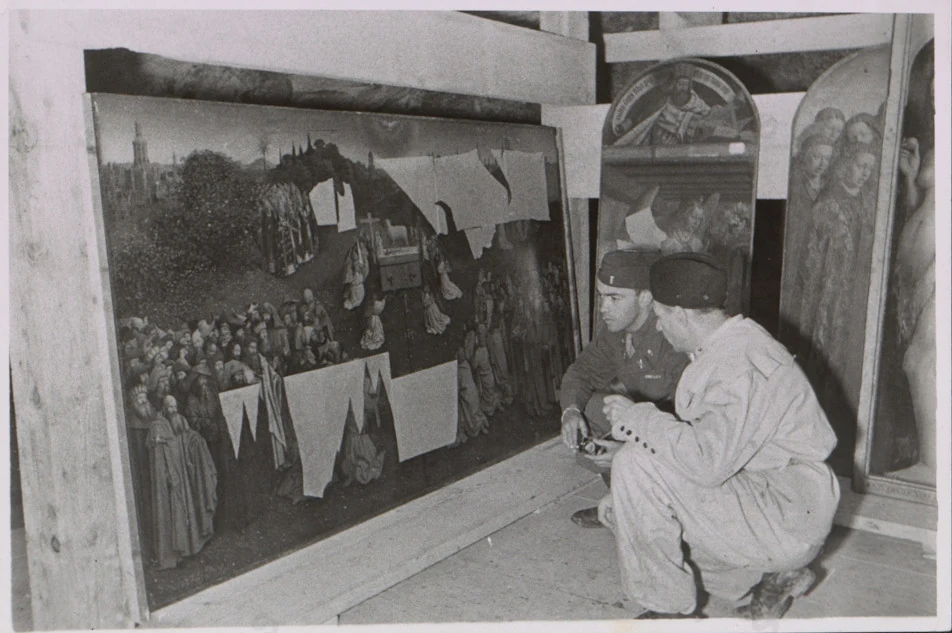
BEYOND CHAPTER 16
How does stolen art find its way home?
Follow displaced objects, uncertain provenance and restitution agreements to reconnect an artwork’s journey with people’s histories.
Read the featureBEYOND CHAPTER 16
What should you check before buying art?
Follow five lines of inquiry—people, objects, rights, borders and records—to turn enthusiasm into a better-informed acquisition.
Read the featureBEYOND CHAPTER 16
Which rights remain after an artwork is sold?
Separate the object, copyright and resale royalties, then explore licensing, moral rights and digital art as continuing relationships between artists and their work.
Read the featureBEYOND CHAPTER 16
Authentic art, truthful claims and lawful trade
Explore forgery and mistaken attribution, looting, finance and digital records to distinguish art-crime questions and understand the limits of evidence.
Read the featureBEYOND CHAPTER 16
Provenance research: making an object’s past verifiable
Follow archives, timelines and material evidence into digital databases and public research reports, keeping the basis and uncertainty of each inference visible.
Read the featureBEYOND CHAPTER 16
Living heritage: caring for objects and continuing cultural life
Connect buildings and objects with songs, skills and ceremonies to understand conservation, transmission, community participation and cultural rights.
Read the featureInvestment and market risk
Examine assets, funds and fractional ownership, including the costs and uncertainty behind returns.
- 17
Art and assets
Can art belong in an investment portfolio?
Separate the pleasure of ownership from financial returns, and examine costs, liquidity and the blind spots of art indices.
Read this chapter - 18
Funds and rights
What do you own when you buy a share of art?
Unpack art funds and fractional interests by following the rights, fees, governance and exit arrangements behind the artwork.
Read this chapter - 19
Attention and cycles
When art becomes the next hot trade
Follow rapid resale, shared expectations and information gaps to understand market excitement and its effects on artists’ working lives.
Read this chapter
FURTHER READING · 1 FEATURES
PUT YOUR UNDERSTANDING TO WORK