BEYOND CHAPTER 12 · Museums and communities
Who supports museums?
When you enter a museum for free, who pays for your encounter with art?
In this chapter
In the gallery you see artworks; behind them are conservation, research, education and the people who open the doors each day. Understanding museum funding need not begin with mastering a full financial statement. Start with a concrete question: which work can this money sustain?
This feature translates the course’s discussion of philanthropy and patronage into questions about funding sources, conditions of use and public responsibilities. A larger gift is not automatically the most useful one; it matters whether support meets the institution’s and its audiences’ needs.
How does everyday work get funded?
A useful first map separates public support, donations, earned income and income from invested funds. AAMD’s 2016 member survey shows museums relying on several sources together. It is a historical sample, not a set of percentages every museum should follow today.
Purpose matters as much as amount. A donation reserved for conservation does not mean the same money is available for every salary. Beside a fundraising headline, add what the money can fund, when it becomes available and how long it lasts. Those questions often tell you more than the total alone.
What does sharing a collection require?
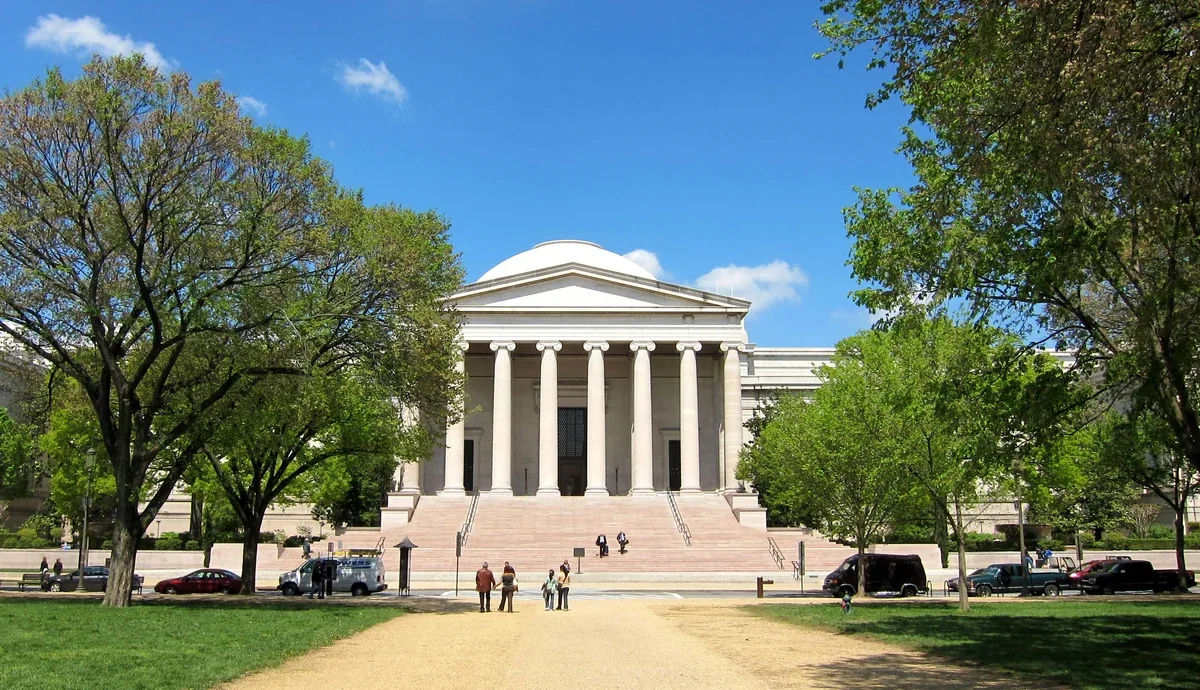
Giving an artwork and funding operations address different needs. Once a work enters a collection, someone must document, research, conserve and arrange access to it. Imagine receiving a video installation requiring specialised equipment: the gift begins a relationship that also needs equipment and maintenance.
The Vogels’ Fifty Works for Fifty States initiative involved institutions working together to place works in museums across the US. This documented case invites a further question: how can gifts connect with a receiving institution’s capacity so that collections become cultural resources for more people?
What might a supporter hope for?
Someone may remember a first moving exhibition and want that opportunity for another generation. Others value research, contact with artists, community or acknowledgement. These are ways to ask about motives, not grounds for assigning a complete motive to a donor from a naming plaque.
An institution can explain what supporters receive while making clear which decisions it retains. Invitations and learning opportunities involve different powers from a promise to exhibit a particular privately owned work. Separating those arrangements helps a relationship remain trustworthy.
Can funding preserve independent judgement?
AAMD’s professional guidance places public benefit and retained artistic control at the centre of fundraising, with funding sources disclosed where possible. That gives us a practical question: does support advance the museum’s mission, or make an exhibition endorse a particular private interest?
The following situation is entirely fictional: a company offers to fund a year of children’s workshops but asks the museum to remove criticism of its industry from an exhibition. Choose accept, negotiate or decline, then explain why. Compare not just the amount but who controls educational and exhibition content.
What remains after an exhibition closes?
A major exhibition is highly visible; database maintenance, staff development and sustained school partnerships attract less attention. Asking only how many people attended this event can obscure the work that makes the next one possible.
As a visitor or future supporter, ask who will care for works after the exhibition, which services would suffer first if funding stopped, and how the institution explains results and difficulties to its communities. A useful relationship strengthens its ability to sustain its promises to the public.
READING COMPANION
A few useful terms
- Philanthropy
- Giving money, objects or other resources for public or charitable purposes. Each arrangement depends on the recipient’s mission and the terms of the gift.
- Restricted funds
- Funds designated for a particular purpose, such as acquisitions or an education programme. Whether their use can change depends on the specific arrangement.
- Earned income
- Income from activities such as admissions, retail, catering or venue use. Generating revenue also entails costs.
- Conflict of interest
- A situation in which a personal interest may affect someone’s judgement on behalf of an institution. Identification, disclosure and appropriate management help maintain trust.
- Endowment
- A funding arrangement intended to support an institution over time, usually through investment and spending policies. It does not mean the entire principal is immediately available to spend.
YOUR TURN
With the same amount of money, would you support an exhibition or a year of stability for the education team?
Consider another way to think about it
There is no best answer detached from context. Ask what the institution needs most, then identify the beneficiaries, duration and continuing responsibilities of your choice. Giving institutions room to explain their needs can direct support beyond the most visible projects.
TAKE THIS THOUGHT WITH YOU
Understanding museum funding means reading amounts, conditions and public mission together. Support also has value when it sustains independent judgement and everyday work.
Reading notes & references
Written by Art Value Lab around themes from Christie’s Education slides, Philanthropy & Patronage in the Arts. Historical course statistics are not treated as estimates of current conditions; the decision-making situation is an original fictional exercise.
- Association of Art Museum Directors — Art Museums by the Numbers 2016
- National Gallery of Art — How Herb and Dorothy Vogel Built One of the Greatest Modern Art Collections—and Then Gave It All Away
- Association of Art Museum Directors — Professional Practices in Art Museums (2011 edition, revised 2022), sections 17, 39–42
Connect the ideas
Continue into people, works and research.
Whom does a museum serve today?
Connect funding with access, communities and public purpose.
Continue readingFour approaches to collecting
See how collections can become support and public access.
Continue readingLearning from Brooklyn
Study selection, interpretation and visitors’ experiences through an exhibition.
Continue reading